Fresh Finds: Best Smart Watches We Just Reviewed
Discover
We test so you don't have to
See our buying guides→I realized my smartwatch obsession had gone too far when I found myself wearing an Apple Watch on my left wrist and a cheap fitness tracker on my right just to see which step counter lied less. Most of us just want a watch that tells the time, buzzes when our boss texts, and survives a sweaty gym session without needing a daily charge. The current market is flooded with weird clones and aging flagships, making it annoying to figure out what is actually worth strapping to your arm. I spent the last month rotating through a stack of boxes that ranged from suspiciously cheap imports to discounted international models. I wanted to see if you actually need to spend three hundred dollars to get texts on your wrist.
This list is for the budget-conscious buyer who wants smart features without draining their bank account. If you demand ECG readings that rival a hospital monitor or need complex integration with a specific obscure cycling app, skip this entirely. Go buy a premium Garmin. The watches here sit firmly in the "good enough" category. They range from older premium models that aged beautifully to ultra-cheap wildcards that surprised me during testing. You have to be willing to accept a few quirks, a couple of badly translated companion apps, and some questionable sleep data.
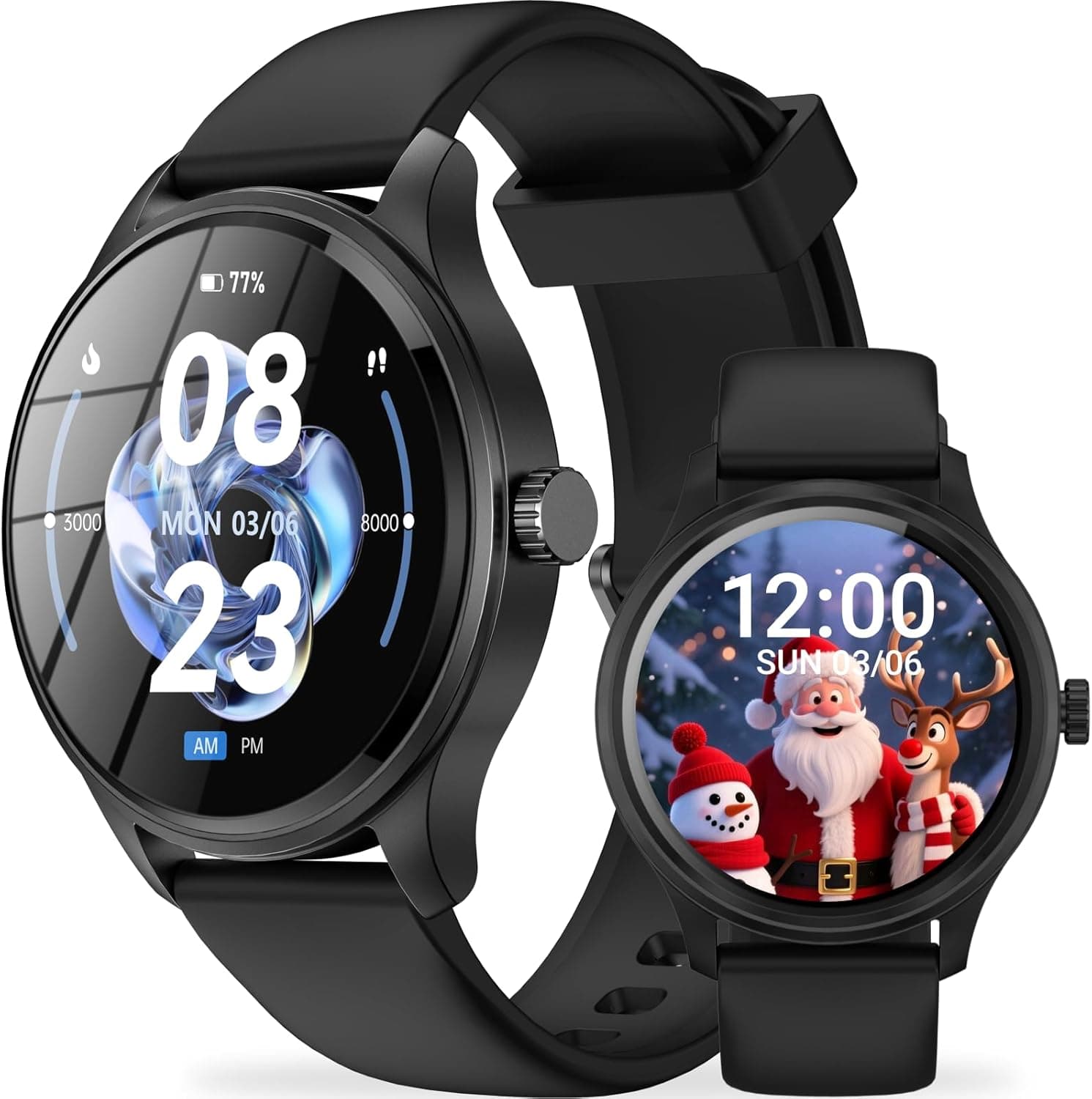
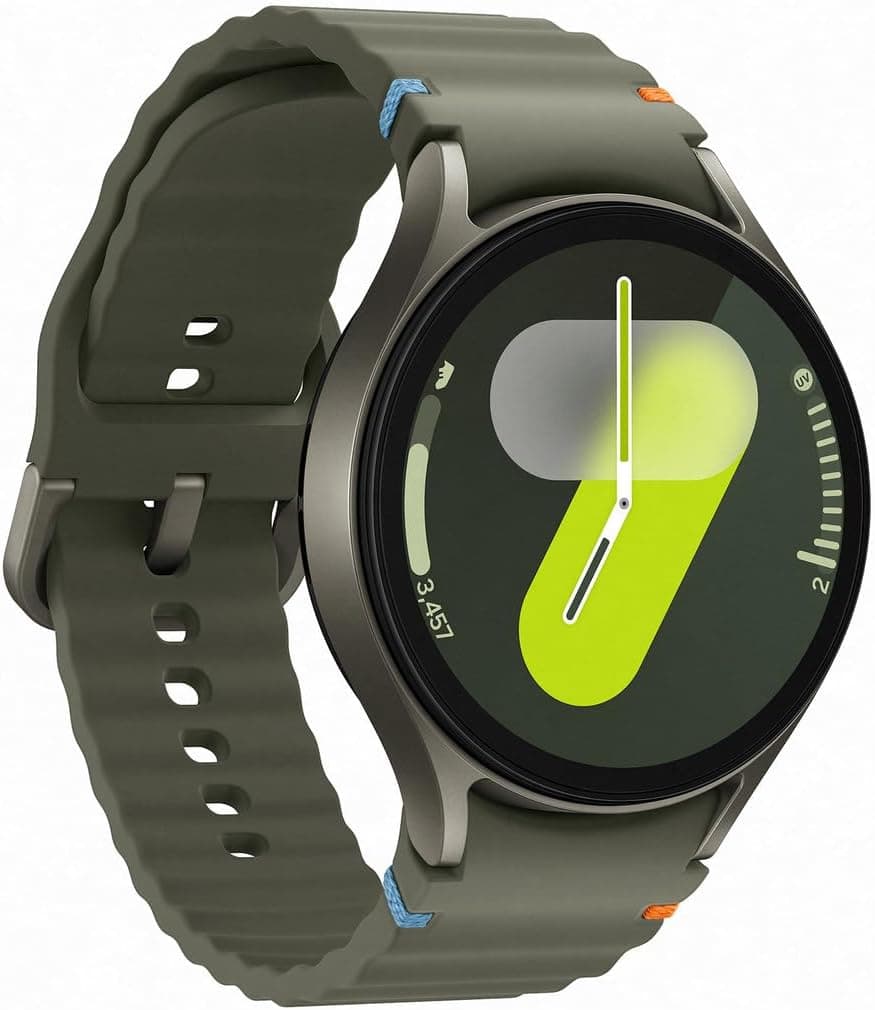
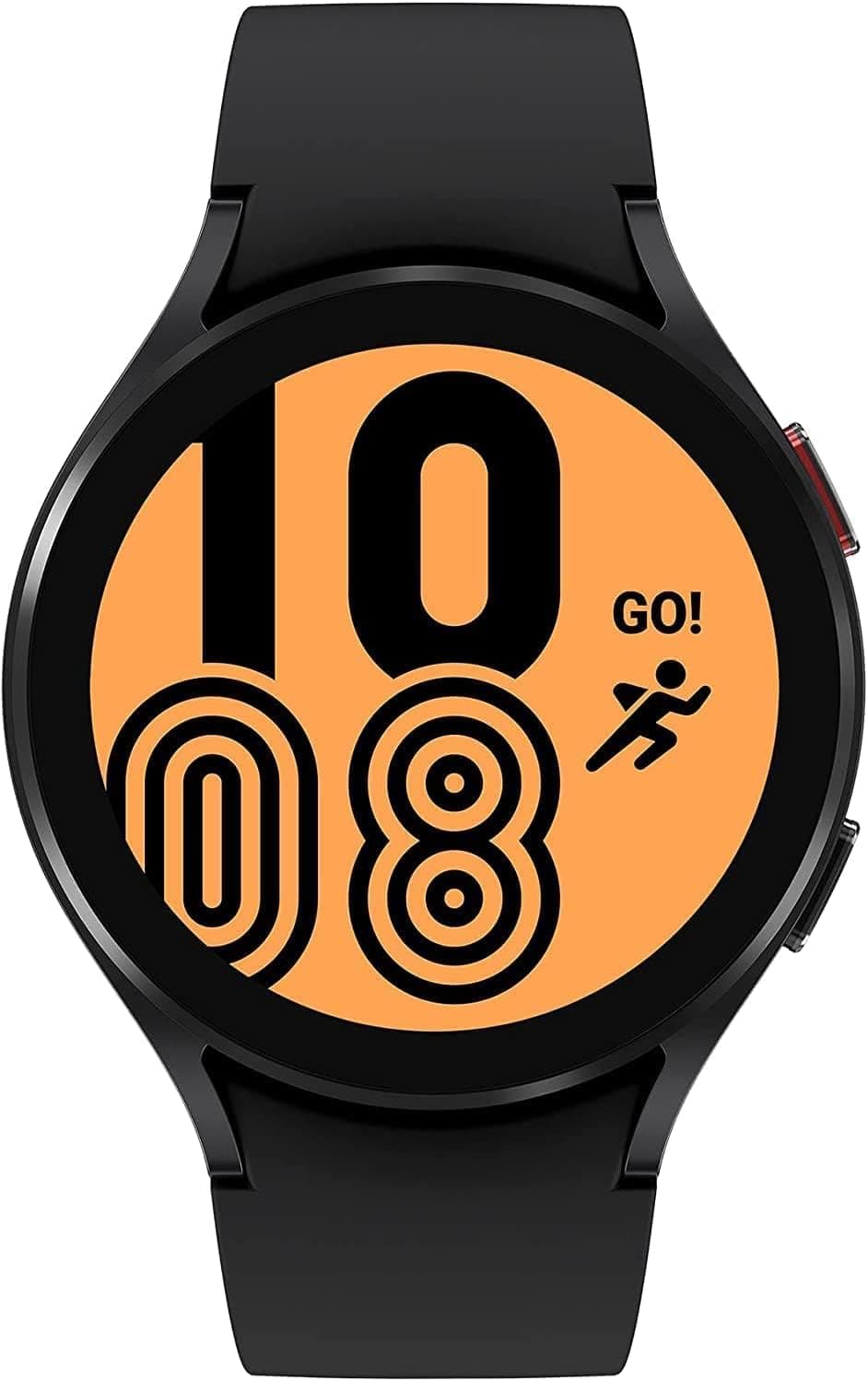
Samsung Galaxy Watch 4 44mm International Model Smartwatch
Buying an "International Model" on Amazon always feels like a gamble. I ordered this specific Galaxy Watch 4 expecting a catch, but the reality is just a weirdly good deal on a two-year-old flagship. It costs around $70 right now. I took it on a weekend trip to Chicago, relying heavily on Google Maps right on my wrist to navigate the L train while holding a heavy duffel bag. The screen is still incredibly sharp compared to modern budget watches. You get the full Wear OS experience, which means actual apps instead of the fake, clunky interfaces you find on cheaper alternatives. The rotating digital bezel still feels great to use when scrolling through long text threads. It is fascinating how much better a slightly older premium device feels compared to a brand-new budget device. The glass is smooth, and the microphone actually picks up my voice when I dictate a text message response.
- Real app ecosystem: You can actually download Spotify, Google Maps, and Strava directly to the watch instead of relying on generic pre-installed junk.
- Crisp OLED display: The screen gets bright enough to easily read texts in direct sunlight without having to cup your hand over the glass.
- Solid build quality: The aluminum casing feels like a premium piece of tech. It has a reassuring weight to it that cheap plastic trackers completely lack.
- Battery anxiety is real: I had to charge this every single night. If you forget to place it on the magnetic puck before bed, it will be completely dead before lunch the next day.
- Samsung phone bias: Several advanced health features like blood pressure monitoring are locked behind the Samsung Health app, meaning Pixel or Motorola users get a slightly nerfed experience out of the box.
Check the current price on Amazon.
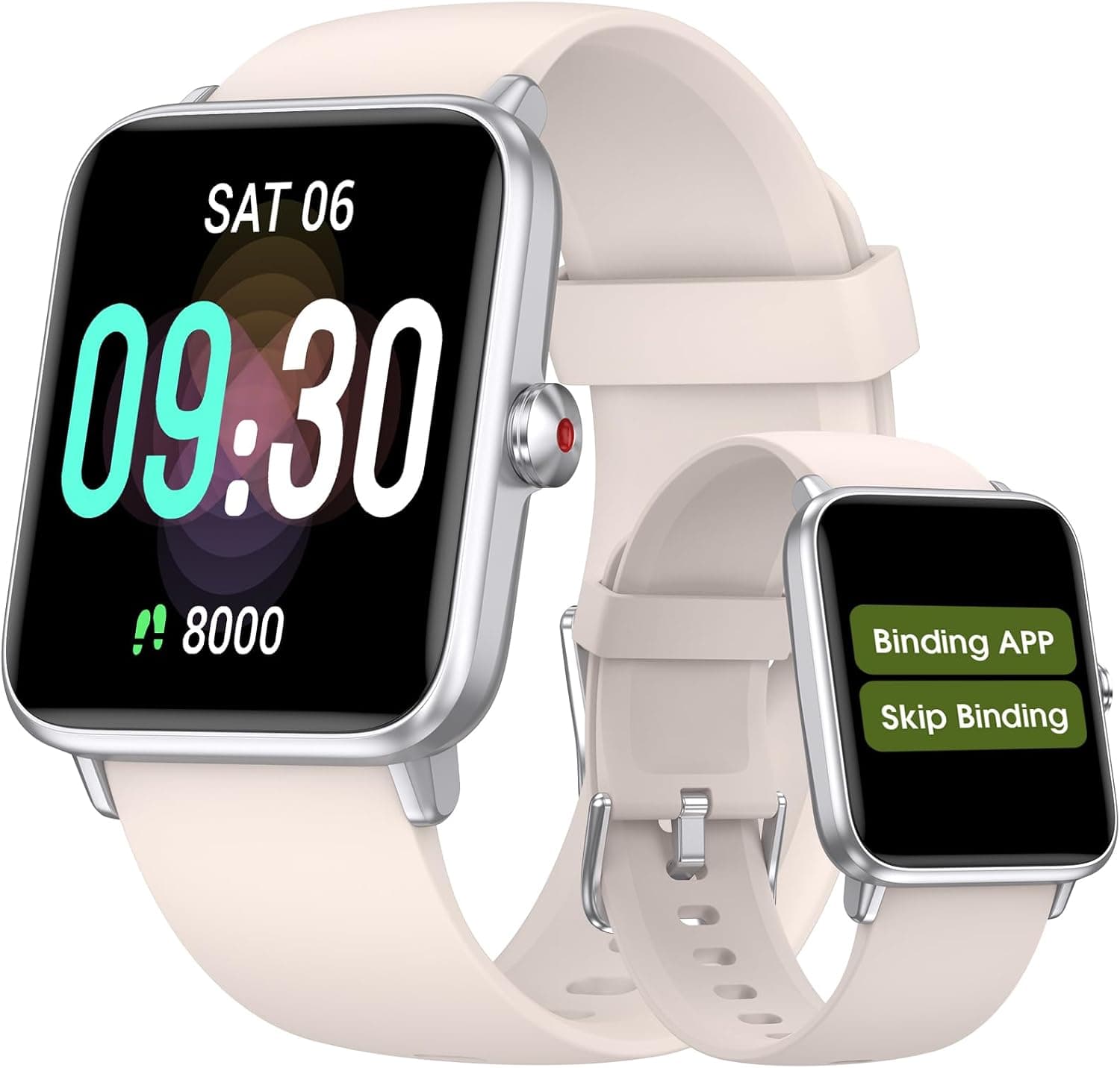
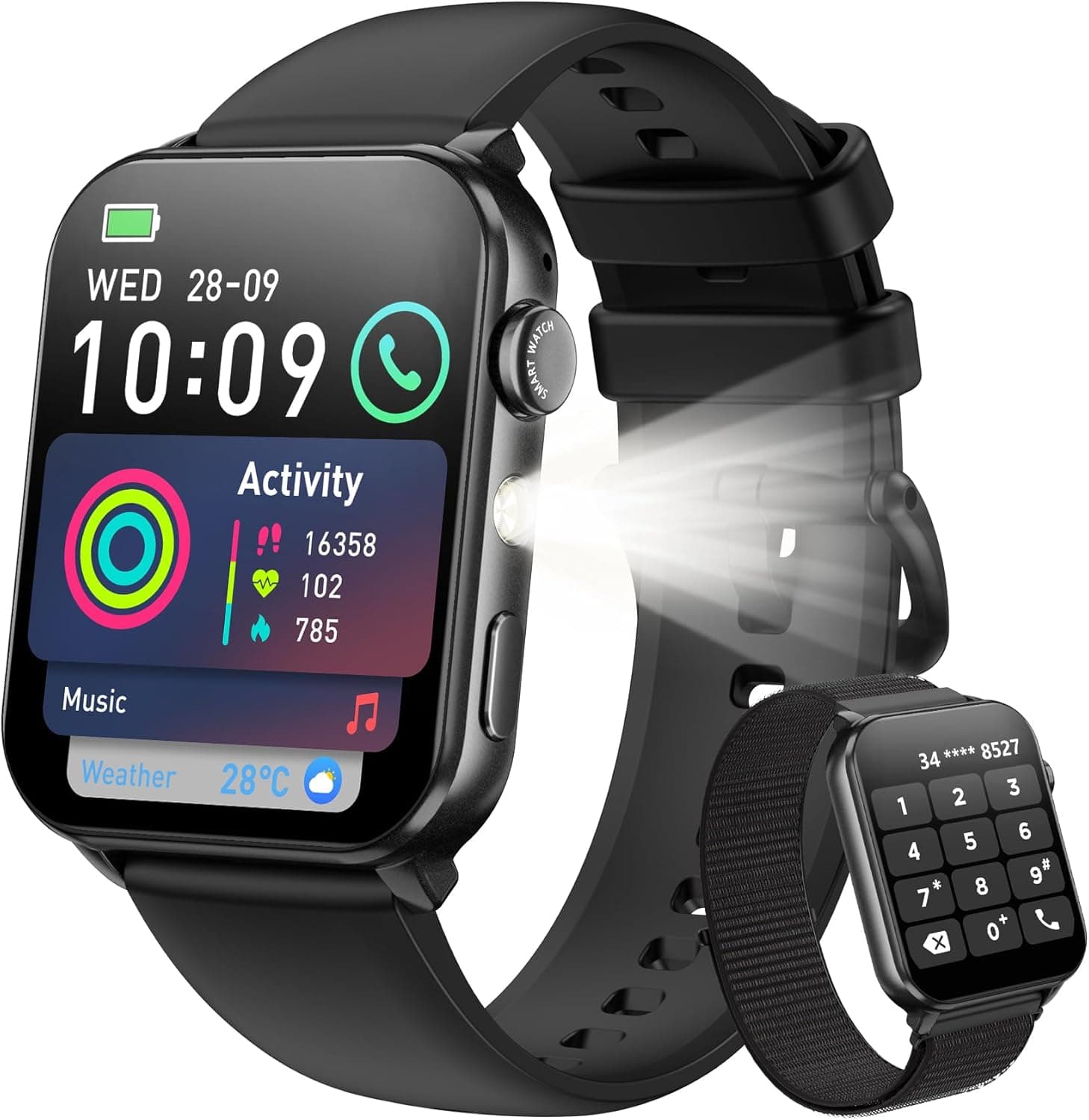
DIVElink Fitness Smartwatch with Bluetooth Calling
I fully expected to hate a watch that costs under fifteen bucks. I bought the DIVElink mostly as a joke to see how bad the Bluetooth calling would be on something this cheap. I ended up answering a call from my mechanic on it while my hands were covered in potting soil in the backyard. The speaker sounds a bit like a drive-thru intercom, but it actually works. The interface is highly derivative of an Apple Watch, right down to the grid of floating bubble icons. It navigates surprisingly well for something cheaper than a decent lunch. The silicone band is thin and gets a bit sweaty, but the watch body itself is so light you forget you are wearing it. I wore it to the gym and used it to skip tracks on my phone without any lag.
- Absurdly low price tag: It offers basic notifications, music control, and step tracking for a price that feels like a typo.
- Speakerphone on your wrist: Taking quick calls without digging your phone out of your pocket is genuinely useful when your hands are full or dirty.
- Battery lasts a full week: Since it lacks heavy background processing and Wi-Fi, you can go several days without ever touching the proprietary magnetic charger.
- Step tracking is incredibly generous: It counted me chopping vegetables in the kitchen as a brisk walk. The sensors are basic motion detectors rather than precision instruments.
- Terrible companion app: The required smartphone app asks for way too many permissions, has broken English throughout the menus, and constantly disconnects in the background.
Check the current price on Amazon.
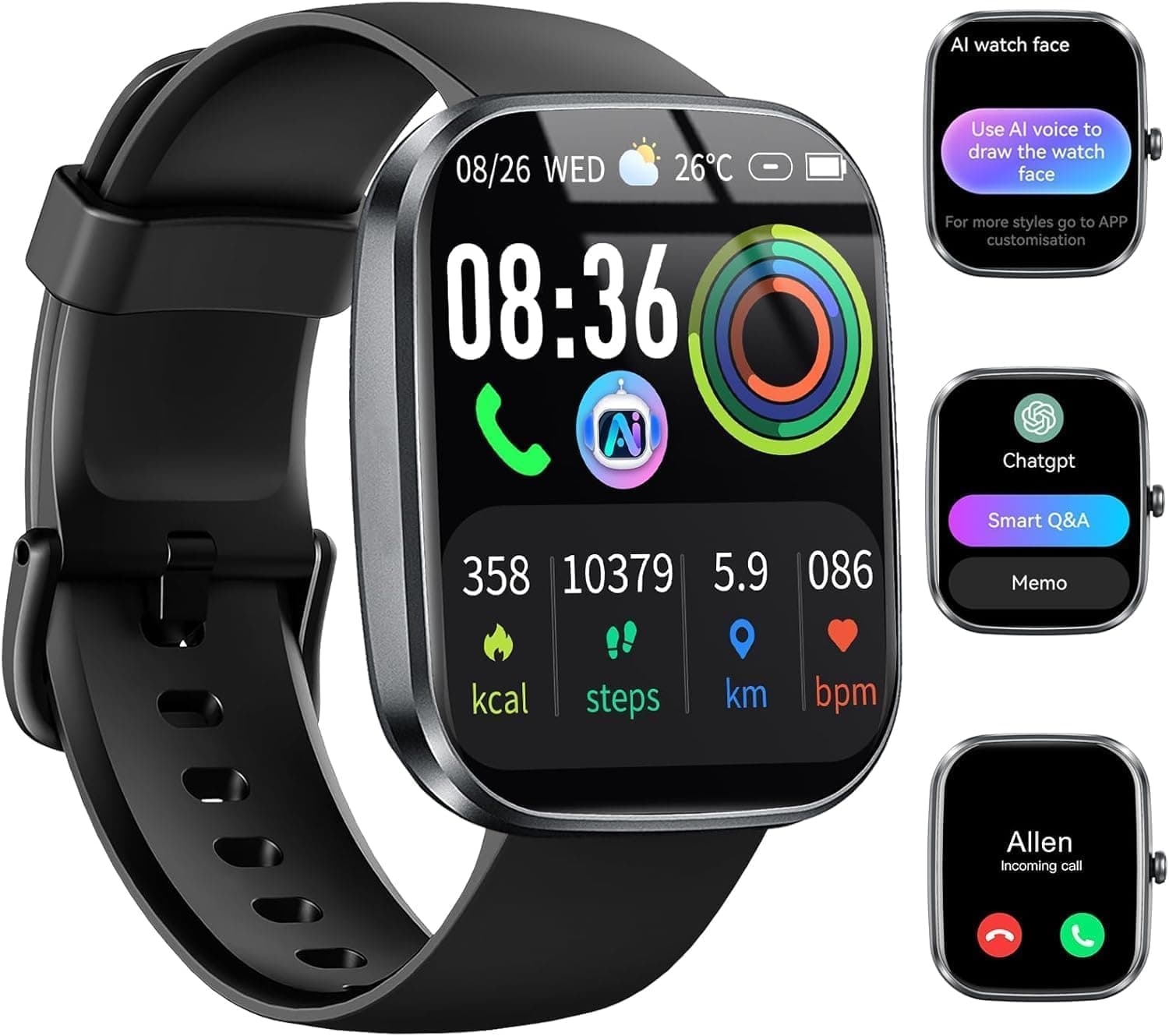
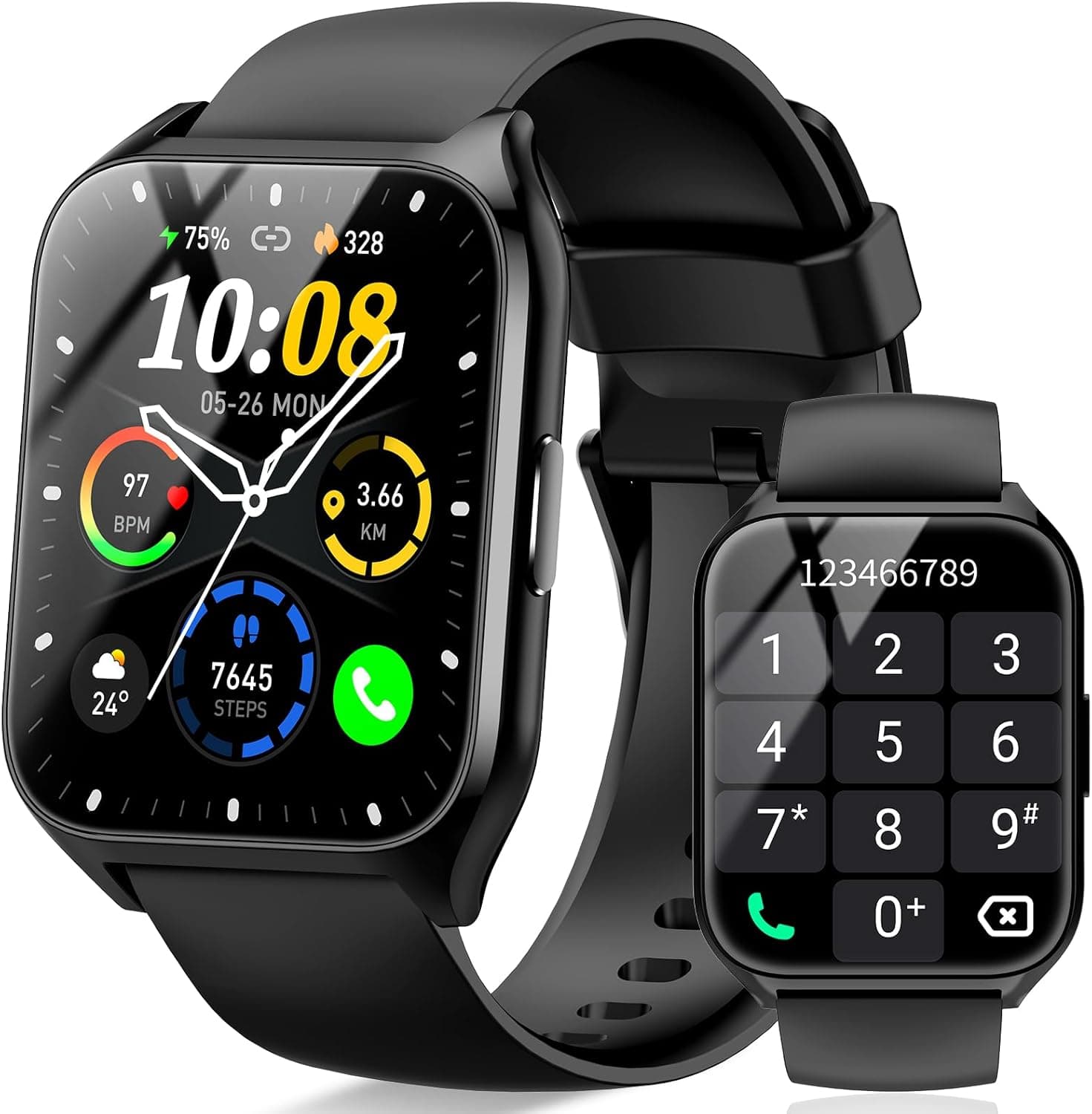
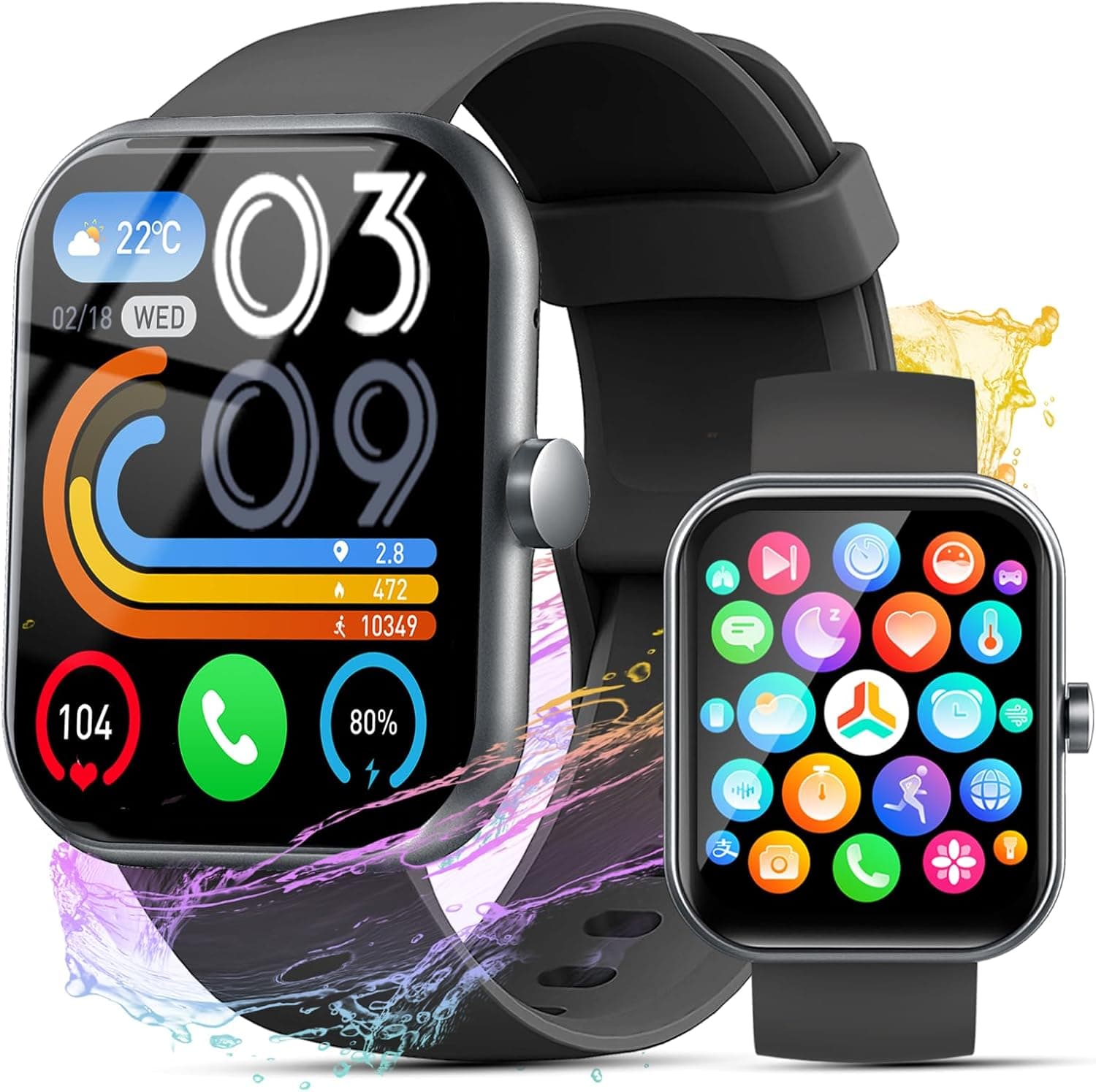
uaue 1.91-Inch Smartwatch with Bluetooth Calling and AI Features
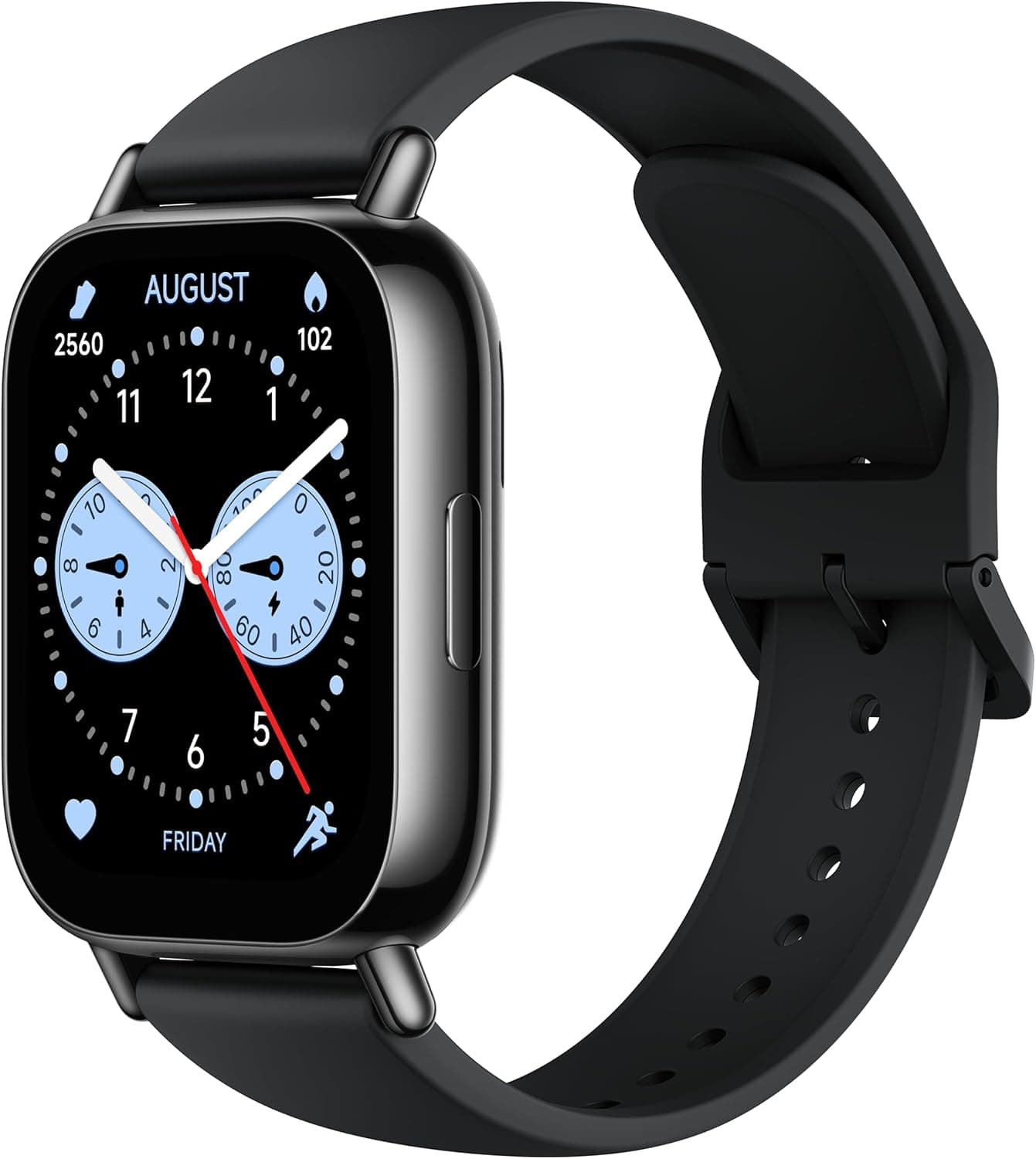
Slapping "AI" on a cheap accessory is a bold marketing move right now. The uaue advertises a ChatGPT integration that made me highly skeptical. I tested this by asking it to summarize a chicken recipe while I was standing in the grocery store aisle trying to remember ingredients. It essentially just routes a voice query through your phone's internet connection to a basic web wrapper. It is slow, frequently times out, and feels entirely unnecessary. However, if you completely ignore the AI gimmick, the hardware itself is massive and practical. The 1.91-inch screen dominates smaller wrists, making notifications incredibly easy to read without squinting. I have terrible eyesight first thing in the morning. This watch face is large enough that I can read incoming emails from my bed without reaching for my glasses. The large display makes the touch targets huge, so you rarely misclick an alarm.
- Massive viewing area: The giant rectangular screen displays full text messages easily without requiring endless scrolling to read a single sentence.
- Physical scroll crown: The side button actually rotates to scroll through long menus and text threads, which is a rare and welcome find on ultra-budget watches.
- Loud notification speaker: You will never miss an alarm or a text chime with this thing on your arm. It genuinely startled my dog the first time it rang.
- The AI is a frustrating gimmick: The ChatGPT feature is painfully slow to load and requires your phone screen to be unlocked half the time to even process the request.
- Washed out display colors: The screen panel is quite cheap, making deep blacks look gray and causing colors to appear muted and dull when indoors.
Check the current price on Amazon.
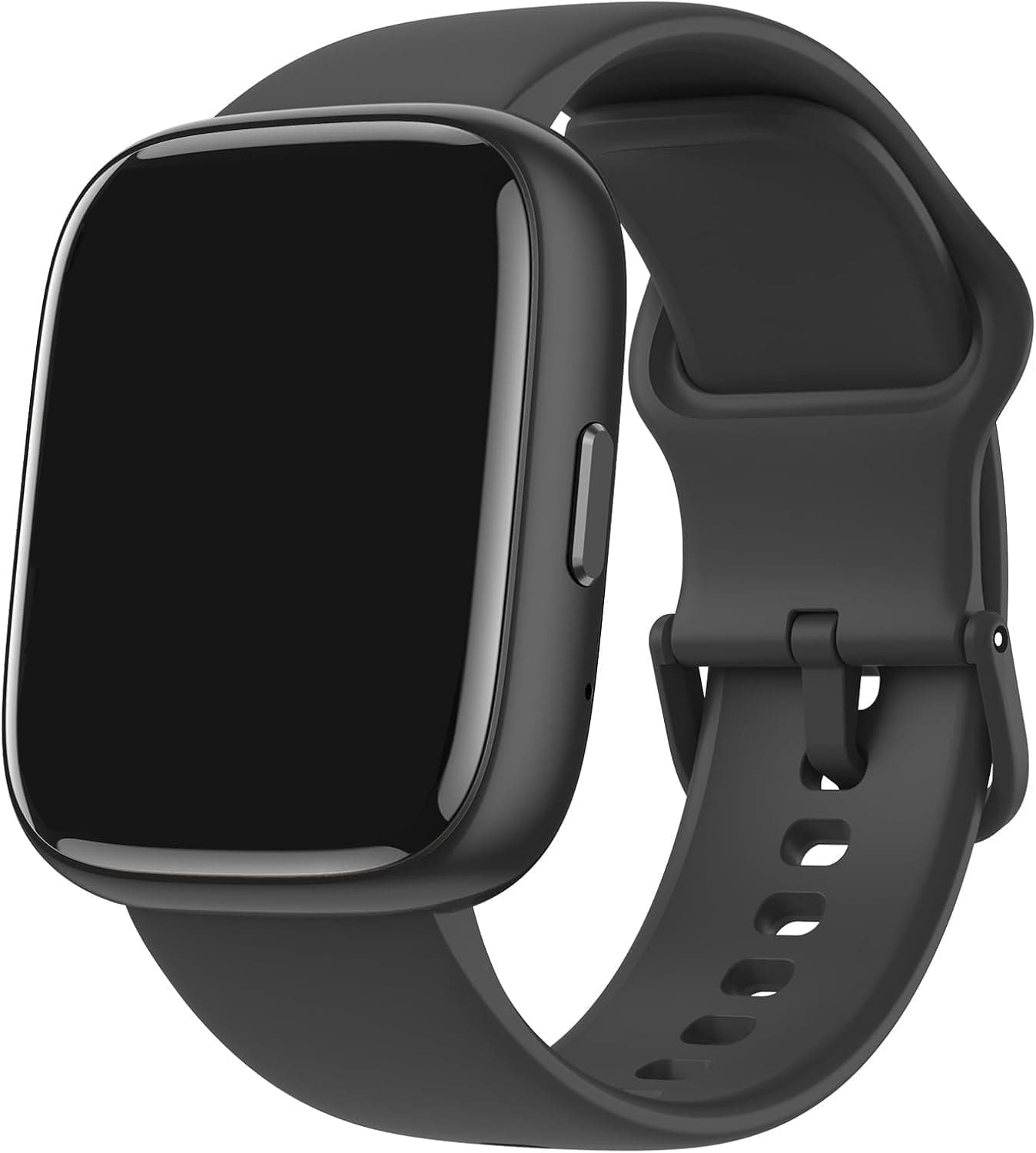
Pautios Standalone Pedometer and Fitness Tracker Watch
My dad absolutely refuses to own a smartphone. He uses a basic flip phone from over a decade ago and gets visibly angry when a device asks him to connect to Bluetooth. I handed him the Pautios because it advertises itself as a standalone tracker that requires zero app pairing. You set the time, date, and your personal stride length using the physical buttons on the side. The setup process is exactly like programming a digital Casio watch from the nineties. It tracks steps, distance, and calories directly on the screen. He wore it for a week of mall walking and loved it. It is incredibly refreshing to use a piece of tech that doesn't demand your email address or track your location. I tried it out for a weekend hike just to disconnect from my notifications. Not having a phone buzzing my wrist every ten minutes was a massive relief.
- Zero setup or accounts required: There is no Bluetooth pairing, no bloated companion apps to download, and no forced firmware updates to wait through.
- Extremely lightweight design: The thin silicone band and hollow plastic body weigh practically nothing. You barely notice it while sleeping or running.
- High contrast digital display: The simple digital numbers are highly visible in bright sunlight and easy for older eyes to read without needing glasses.
- Manual data entry is tedious: Setting your height, weight, and the initial time using just two small side buttons takes patience and a lot of clicking.
- No historical data storage: Once the clock strikes midnight, your daily stats completely reset. You cannot look back at last week's performance or track trends over time.
Check the current price on Amazon.
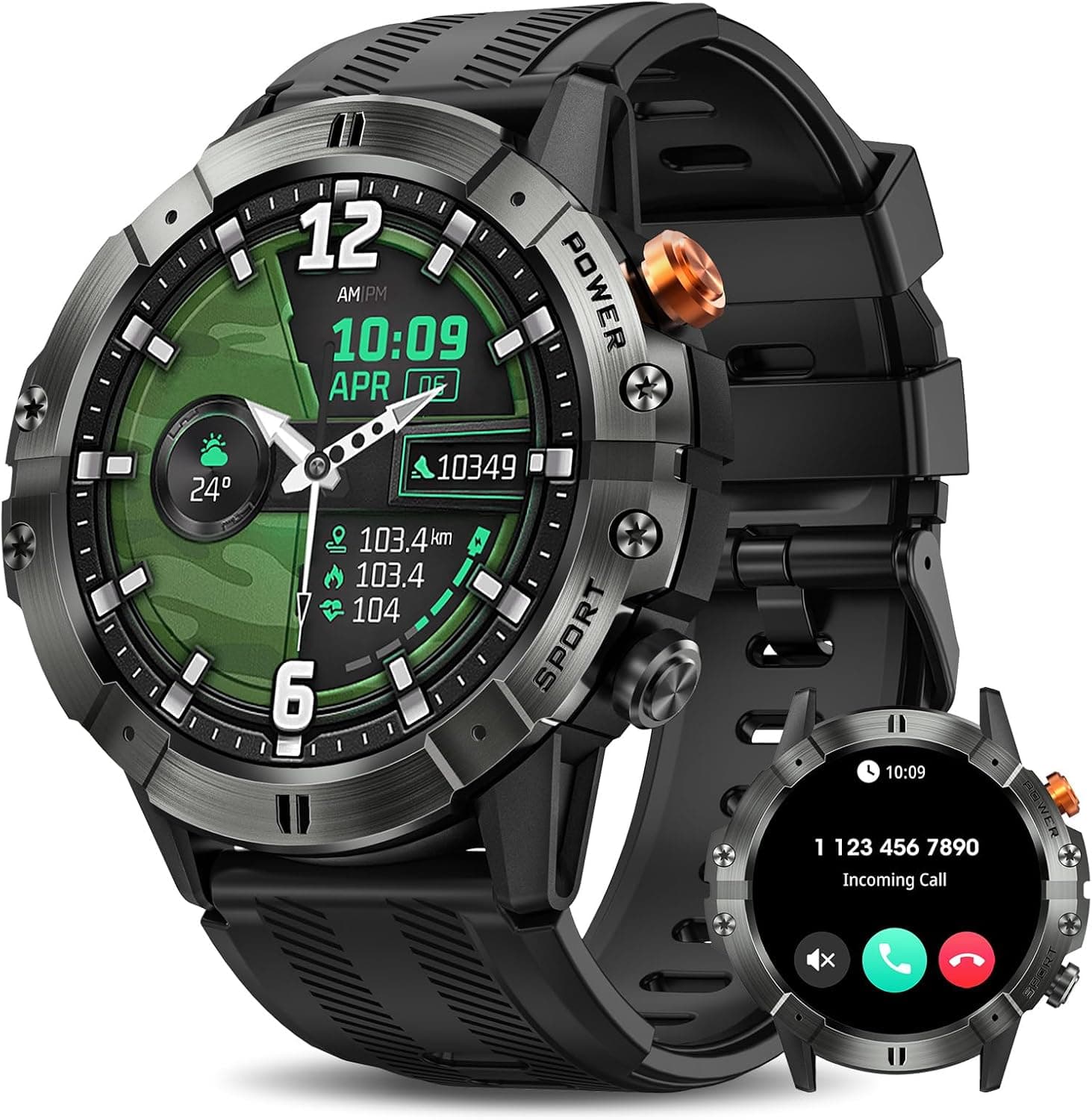
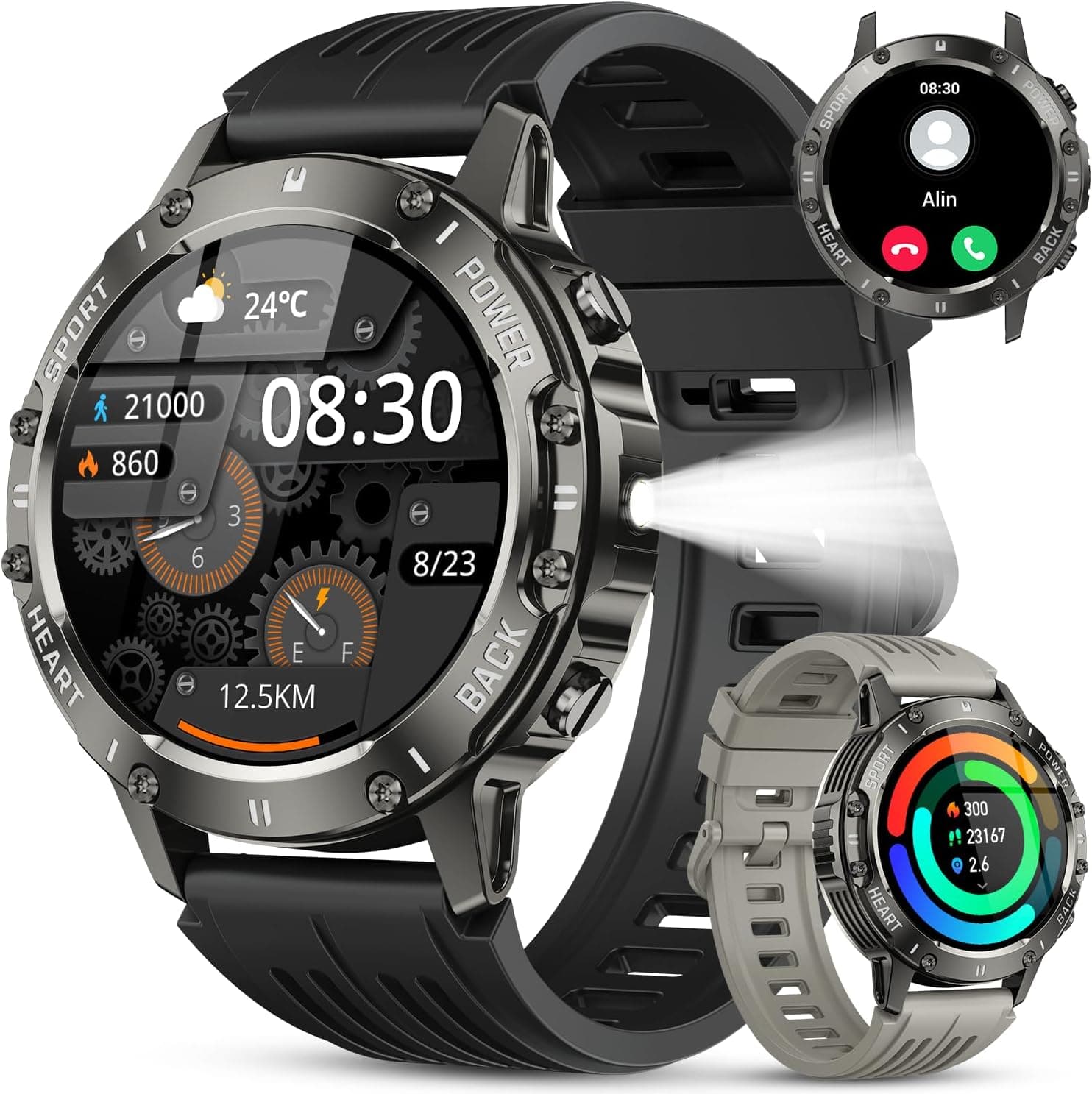
DEKELIFE Military Style Smart Watch with Fitness Tracking
I have a bad habit of destroying delicate electronics while doing yard work or hiking through thick brush. The DEKELIFE watch appeals directly to that specific problem. It has a chunky, aggressive design with a raised metal bezel that physically protects the glass from direct impacts. I accidentally slammed my wrist into a wooden doorframe while moving a heavy couch. The watch took a tiny scuff on the metal edge, leaving the glass intact. At roughly forty bucks, it hits a strange middle ground between the absolute cheapest trackers and older premium models. The interface is surprisingly ruggedized to match the exterior, featuring high-contrast tactical watch faces that look like military instruments. I took it on a long trail run to test the GPS tracking through the app. The watch itself feels substantial on the wrist, giving off a distinct G-Shock vibe that a lot of people really prefer over sleek glass bubbles.
- Heavy duty exterior shell: The raised metal bezel legitimately protects the screen from scratches, drops, and direct hits against hard surfaces.
- Tactile physical buttons: The side buttons are large, textured, and easy to press even while wearing heavy winter work gloves.
- Strong vibration motor: The haptics are aggressive enough to wake you from a deep sleep or alert you over the noise of heavy machinery.
- Very bulky footprint: It constantly snags on tight jacket sleeves and feels incredibly heavy and distracting during a fast-paced run.
- Inaccurate heart rate data: During intense cardio sessions, the sensor frequently lost my pulse entirely or reported numbers that were clearly way too low for my effort level.
Check the current price on Amazon.
The one I'd buy
If I am spending my own money today, I am buying the Galaxy Watch 4. Yes, having to charge it every single night is a massive annoyance that I wish I could ignore. But the reality is that the sub-fifty-dollar market is filled with closed ecosystems, terrible companion apps, and highly questionable health sensors. Paying around seventy bucks for a legitimate Wear OS device with a gorgeous OLED screen and actual Google Maps integration is an absolute steal. The ultra-cheap options like the DIVElink are fun novelties if you just want a digital toy—and the standalone Pautios is brilliant for tech-averse relatives. However, the Samsung is the only watch on this list that genuinely feels like a miniature computer on your wrist rather than a glorified pedometer.
Discover