Smartwatch Trends in 2026: What to Watch
Discover
We test so you don't have to
See our buying guides→My wrist buzzed at 5:30 AM, warning me my watch had 5 percent battery left right before a scheduled 10-mile run. I threw it on the charger while lacing my shoes and hoped for the best. That frantic morning charging ritual is exactly what pushed me to dig into the smartwatch trends in 2026: what to watch, what to skip, and what actually matters when you are strapping a computer to your arm every single day. I have worn a wearable device since the days of those clunky rubber step counters that did not even have screens. The evolution has been wild, but we have reached a plateau where the flashy gimmicks are dying out, and the focus is finally returning to practicality.
Smartwatch Trends in 2026: What to Watch vs. Last Year
Last year, the wearable market was obsessed with throwing every possible sensor at the wall to see what stuck. We got a lot of bulky cases, confusing menus, and software that nagged you to stand up while you were stuck in gridlock traffic. This year, the shift is entirely about invisible integration. The tech is finally getting out of its own way.
The most noticeable shift is how these devices handle power consumption. We are finally seeing the real-world benefits of newer display technologies. Advanced micro-LED screens are trickling down from the ultra-premium tier into the standard models you actually want to buy. This means your screen is significantly brighter in direct sunlight, but the standby power draw has plummeted. You can actually leave the always-on display active without watching your battery percentage freefall before dinner. I used to disable the always-on feature immediately out of the box. Now, I leave it on because the battery chemistry has caught up to the screen demands.
Health tracking has also moved past simple data collection into actual interpretation. In 2025, your watch would give you a sleep score of 60 and leave you to figure out what to do about it. In 2026, the software actually adjusts your daily activity rings based on that bad sleep. The recovery metrics are finally communicating directly with the fitness metrics. If my heart rate variability is tanking after a stressful week at work, my watch stops yelling at me to close my exercise ring. Instead, it suggests a light walk or some stretching. This shift from static data logging to dynamic coaching is the single biggest reason to upgrade if you are holding onto an older model.
Blood pressure monitoring is the other massive shift happening across the industry. We spent years dealing with inflatable cuffs built into watch bands, which were loud, uncomfortable, and frankly embarrassing to use in public. The optical sensors have finally reached a point where they provide baseline trend data without needing a traditional cuff calibration every three weeks. It is not a replacement for a doctor's visit, but it gives enough of a warning sign to let you know if your baseline is creeping up during a high-stress month.
Finally, we are seeing a massive reduction in physical bulk. The trend of strapping a heavy hockey puck to your wrist is fading. Internal components are shrinking, allowing manufacturers to pack larger batteries into thinner chassis designs. A watch should slide under a dress shirt cuff without catching on the fabric — the 2026 models are finally prioritizing ergonomics over aggressive, military-style aesthetics.
The hardware worth buying right now
I have tested a ridiculous number of these things over the past few years. Most of them end up sitting in a drawer because the software is clunky, the menus lag, or the heart rate monitor drops out during heavy sprints. Here is what actually survives daily use in my household.
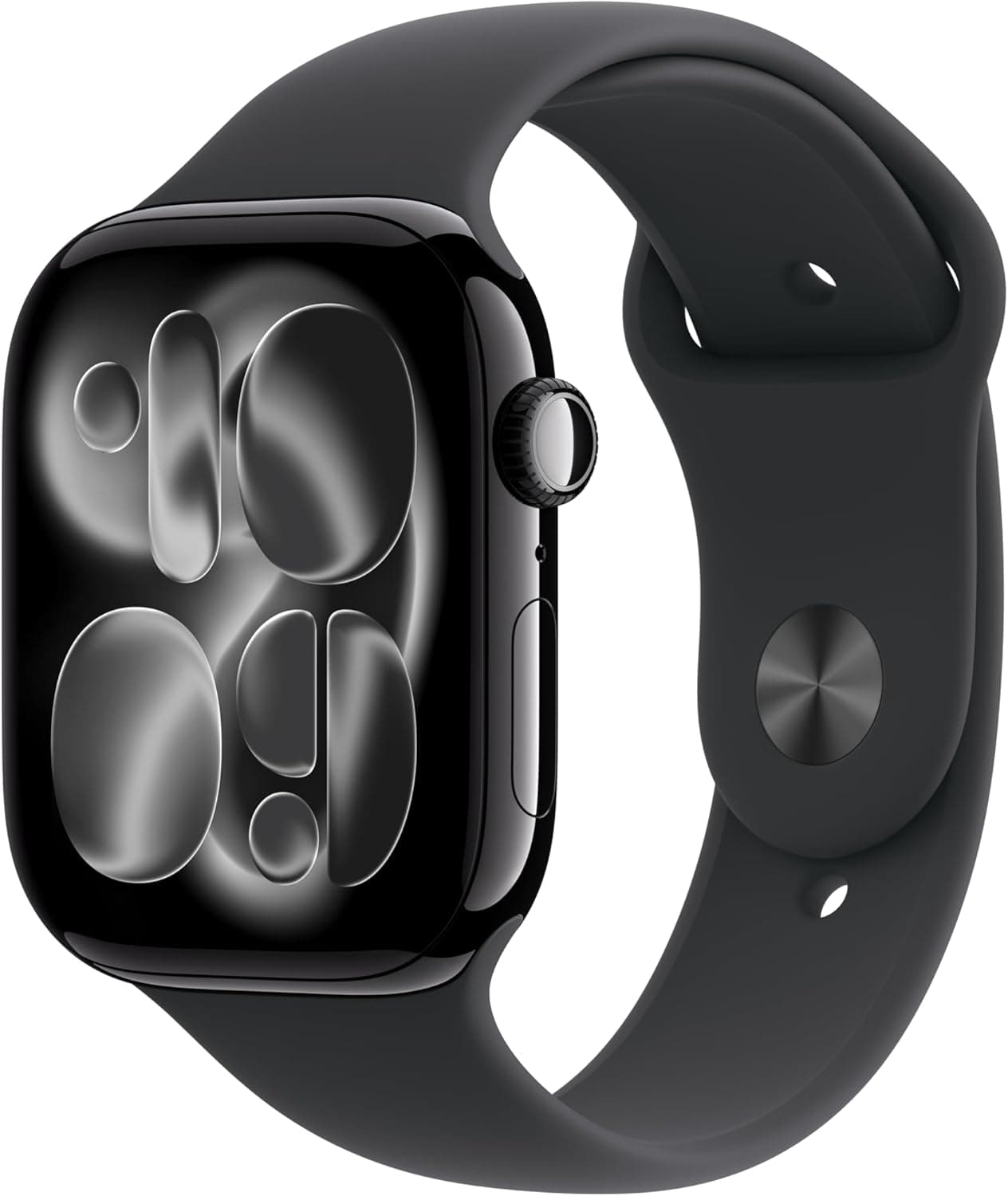
If you want the current baseline standard, the Apple Watch Series 11: Your Ultimate Fitness Companion is the most reliable piece of hardware I own. The 46mm screen size sounds massive on paper, but the bezel reduction makes it sit flush against the wrist. I use it primarily for the sleep score features. The battery efficiency improvements mean I can wear it to bed, wake up, and still have enough juice to get through a full workday before needing a top-up. The jet black aluminum also hides scuffs much better than the silver models I have owned in the past. Check the current price on Amazon.
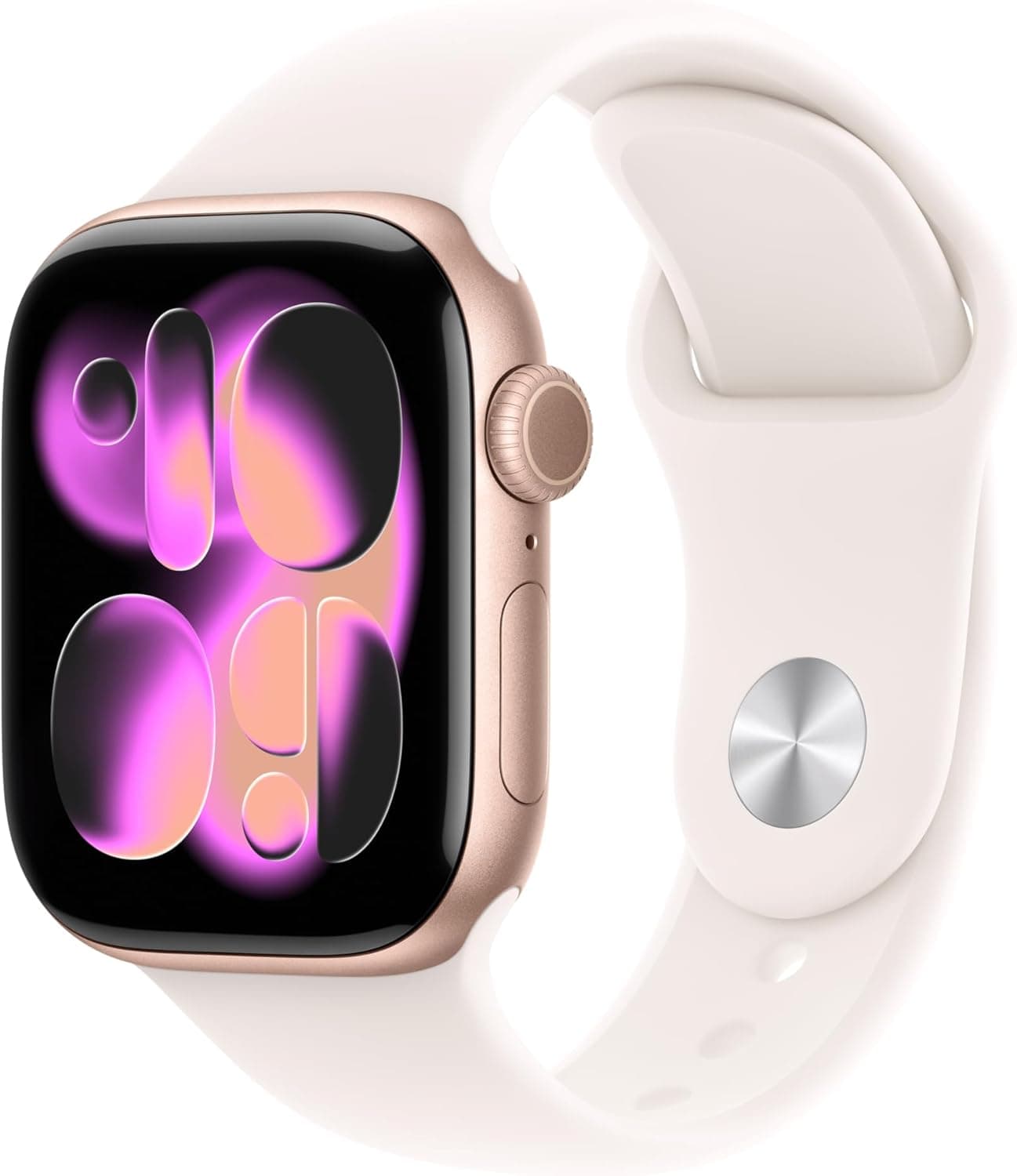
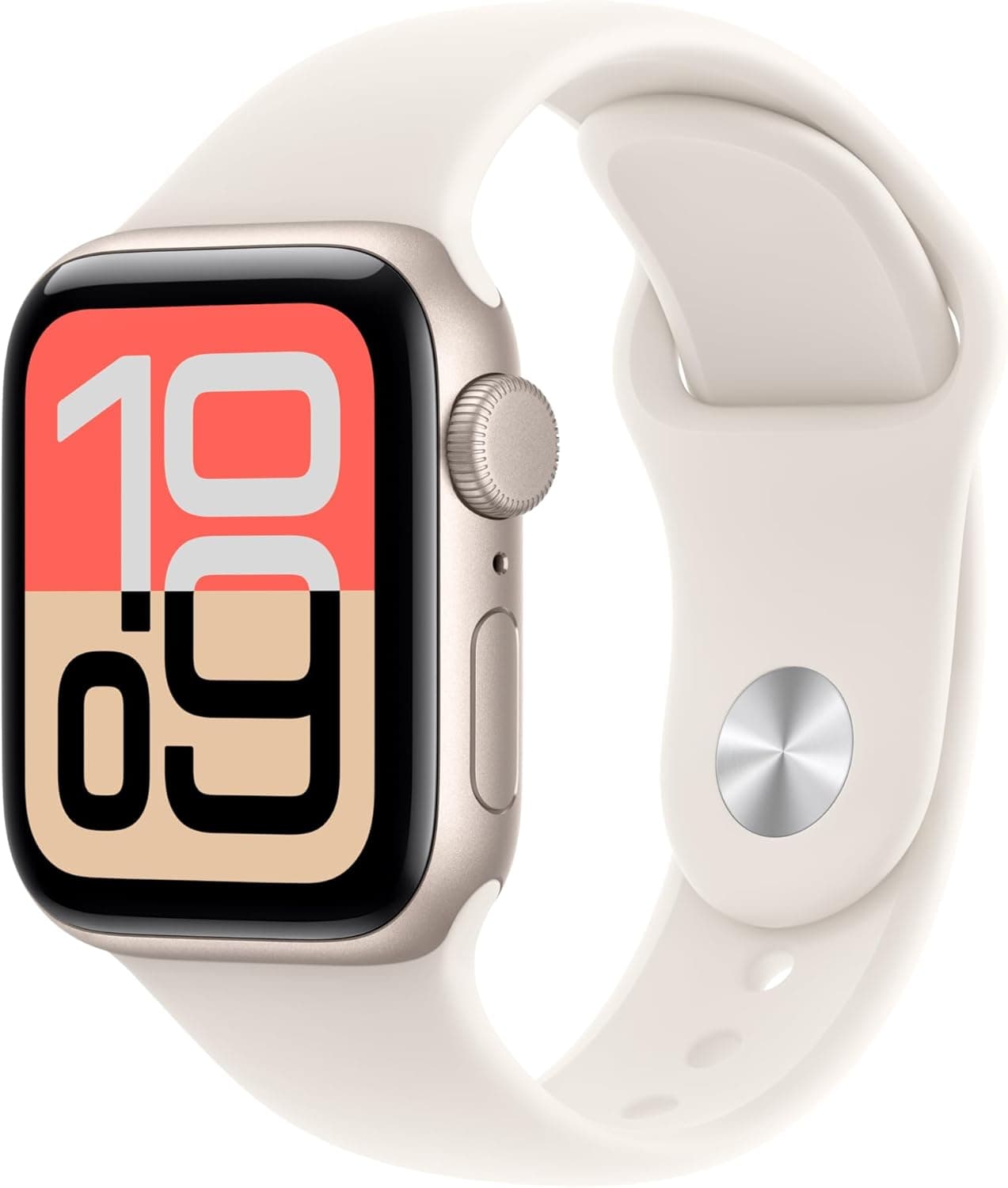
For smaller wrists, the Apple Watch Series 11 GPS 42mm Smartwatch does the exact same job without looking like a wall clock on your arm. My wife wears this version specifically because the lighter aluminum case does not weigh her arm down during long swims. It has the same health monitoring and always-on display as the larger model. The rose gold finish is subtle, and the smaller battery still manages to survive a 24-hour cycle thanks to the new processor efficiency.
If you are on a strict budget and just want reliable notifications and step tracking, grab the Apple Watch SE 3 GPS 40mm Aluminum Case Smartwatch. You lose the always-on display and the advanced ECG sensors. I bought one for my dad because he refuses to charge anything daily, and turning off the extra sensors stretches the battery life out nicely. It does the basics without the premium markup. The heart rate monitor is just as accurate during a neighborhood walk as the models that cost twice as much. See the latest model on Amazon.
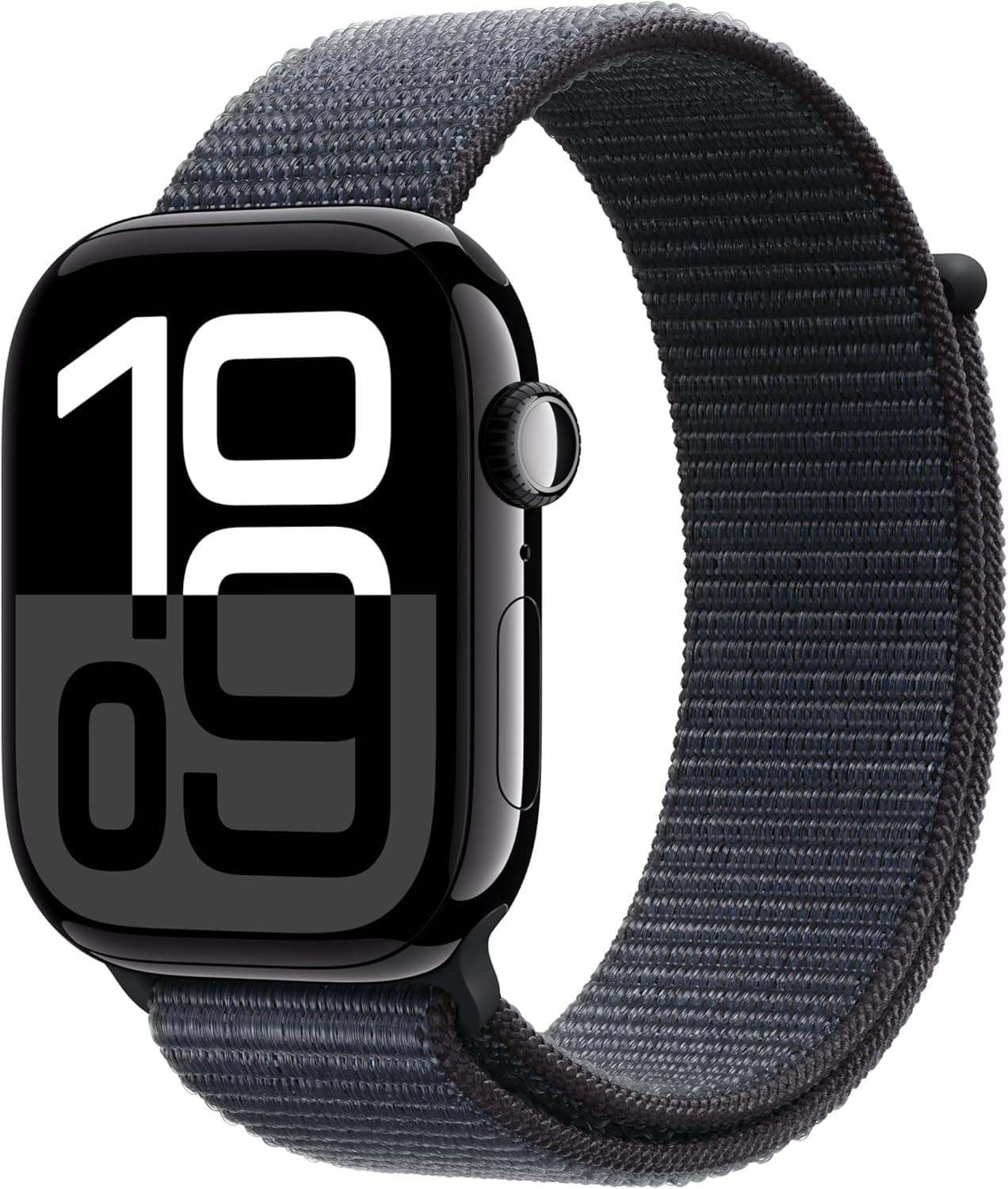
You can also save some cash by picking up last year's hardware. The Apple Watch Series 10 46mm GPS Aluminum Smartwatch is still entirely capable. The processor is slightly slower when loading heavy third-party apps, but for tracking runs, reading texts, and checking the weather, you will barely notice the difference. The battery has a slightly shorter lifespan than the Series 11, but if you can find it on a steep discount, it is a smart buy.
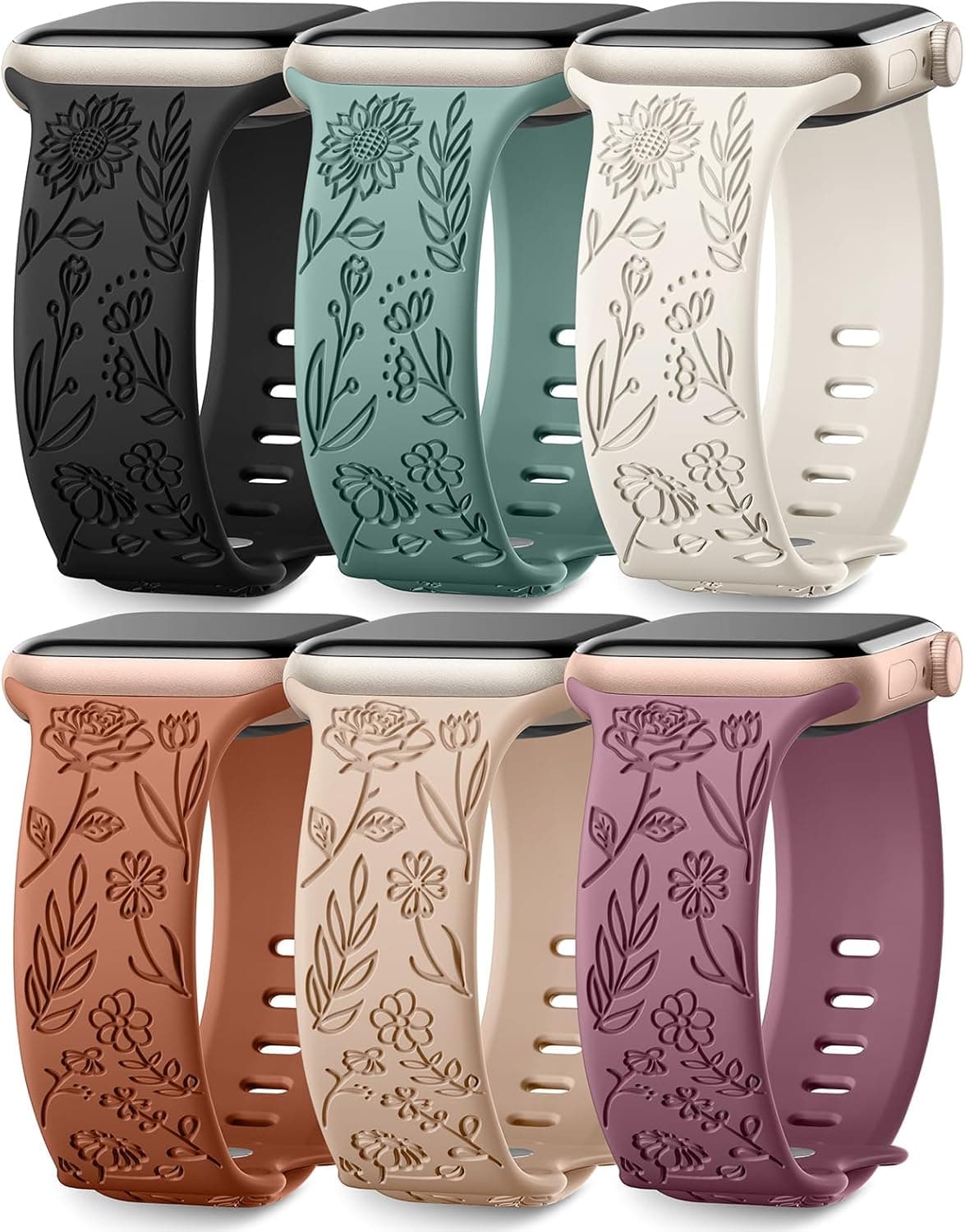
Also, stop buying official bands. I ruined a sixty-dollar silicone strap by getting primer paint on it during a weekend garage project. Now I just cycle through the Stylish SNBLK Floral Bands for Apple Watch - 6 Pack. They cost less for six than the manufacturer charges for half of one, and they survive saltwater and heavy gym sweat just fine. The silicone feels identical to the expensive versions, and if one breaks or stains, you just toss it and grab another from the pack.
Features you should actively ignore
Tech companies are desperate to justify upgrading your watch every twelve months. This leads to a lot of bloated features that look great on a billboard but are entirely useless in your living room. Do not let these dictate your buying decision.
- Skin temperature sensors are noisy: Most of these are heavily marketed for cycle tracking or predicting fevers. In reality, your wrist temperature fluctuates wildly based on how you sleep. If you sleep with your arm tucked under a heavy down duvet, the watch thinks you are running a fever. The data is too noisy to be actionable for the average person.
- Extreme rugged titanium is overkill: Unless you are actually rock climbing every weekend or doing heavy construction work, you do not need aerospace-grade titanium. It drives the price up by hundreds of dollars. Standard aluminum holds up to gym workouts, desk jobs, and weekend hikes without issue. I have dropped my aluminum watches on tile floors multiple times and only suffered minor cosmetic scratches.
- Standalone cellular connectivity costs too much: Paying an extra ten to fifteen dollars a month to your carrier just so your watch can receive texts when you leave your phone at home is rarely worth it. Think about your actual habits. Most people never leave their phone behind anyway. Unless you are a dedicated marathon runner who absolutely cannot carry a phone, skip the cellular models and save the monthly fee.
- Built-in cameras remain awkward: A few fringe brands are trying to make wrist-cameras happen again this year. They require awkward arm contortions to frame a shot, the image resolution is terrible, and the processing drains the battery in minutes. Pull your phone out of your pocket.
- Complex gesture controls fail frequently: Pinching your fingers together to answer a call sounds cool until you realize it works about seventy percent of the time. The other thirty percent, you are just aggressively snapping your fingers at your wrist in public while the call goes to voicemail. Physical buttons and touch screens are still faster and more reliable.
If you are holding onto a watch from three or four years ago, the battery degradation alone is probably driving you crazy. The right move right now is grabbing the Series 11 in whatever size fits your wrist, purely for the battery efficiency and the smarter recovery metrics. You get a screen you can actually read in the sun and software that finally understands you need a rest day.
Discover