Smartwatch Trends in 2026: What to Watch
Discover
We test so you don't have to
See our buying guides→My wrist buzzed four times during a dinner party last week. I glanced down expecting a family emergency or an urgent text from the babysitter. It was just my watch telling me to stand up, followed by a prompt to reflect on my state of mind. That exact moment of notification fatigue is driving the core Smartwatch Trends in 2026: What to Watch. We finally stopped wanting a miniature smartphone strapped to our arms. People are demanding devices that shut up until they actually have something useful to say.
The shift this year is entirely about passive monitoring. Two years ago, the focus was on cramming more apps, louder alerts, and brighter screens onto our wrists. Now, the hardware has matured enough that manufacturers are focusing on invisibility. The tech works in the background, learning your baseline metrics and only tapping your wrist when something is actually wrong.
Smartwatch Trends in 2026: What to Watch and what actually changed
You can ignore the rumors about solid-state batteries giving us a month of power on a single charge. That technology is still stuck in research labs. What actually changed this year is how watches handle the power they already have.
Algorithms finally got aggressive about battery management. Instead of pinging the heart rate sensor every few seconds, the newer processors use motion data to guess when you are active and scale the sensor polling accordingly. We are also seeing a massive pivot toward hyper-fast charging. I used to leave my watch on the nightstand because it took two hours to charge. Now, I drop it on the magnetic puck before I jump in the shower. By the time I am dressed and pouring coffee, it has enough juice to get me through the next 24 hours. This completely fixes the sleep tracking dilemma. You no longer have to choose between wearing it to bed and having a dead screen by noon.
The death of the third-party smartwatch app is another massive shift. Let's be honest about how we use these things. Nobody is scrolling through Instagram on a two-inch screen, and tapping out a text message on a microscopic keyboard is miserable. The industry finally accepted this. The focus in 2026 is entirely on native widgets and voice dictation. I tried using a third-party golf GPS app last summer. It crashed twice and drained my battery in three holes. The native workout apps are the only ones that get the battery optimization right, and manufacturers are finally building enough workout profiles that you don't need to download extra software.
We are also seeing a major aesthetic correction. The bulky, aggressive tech-bro look is fading out of the mainstream lineup. Casings are getting thinner, and the glass curves more aggressively to meet the metal. These devices finally slip under a dress shirt cuff without snagging the fabric or looking like you are wearing a house arrest monitor on your wrist.
Which hardware actually earns its keep right now
I spend a lot of time testing these devices, but I only keep a few around for my family. The current lineup is confusing, but it gets much simpler when you look at how people actually live.
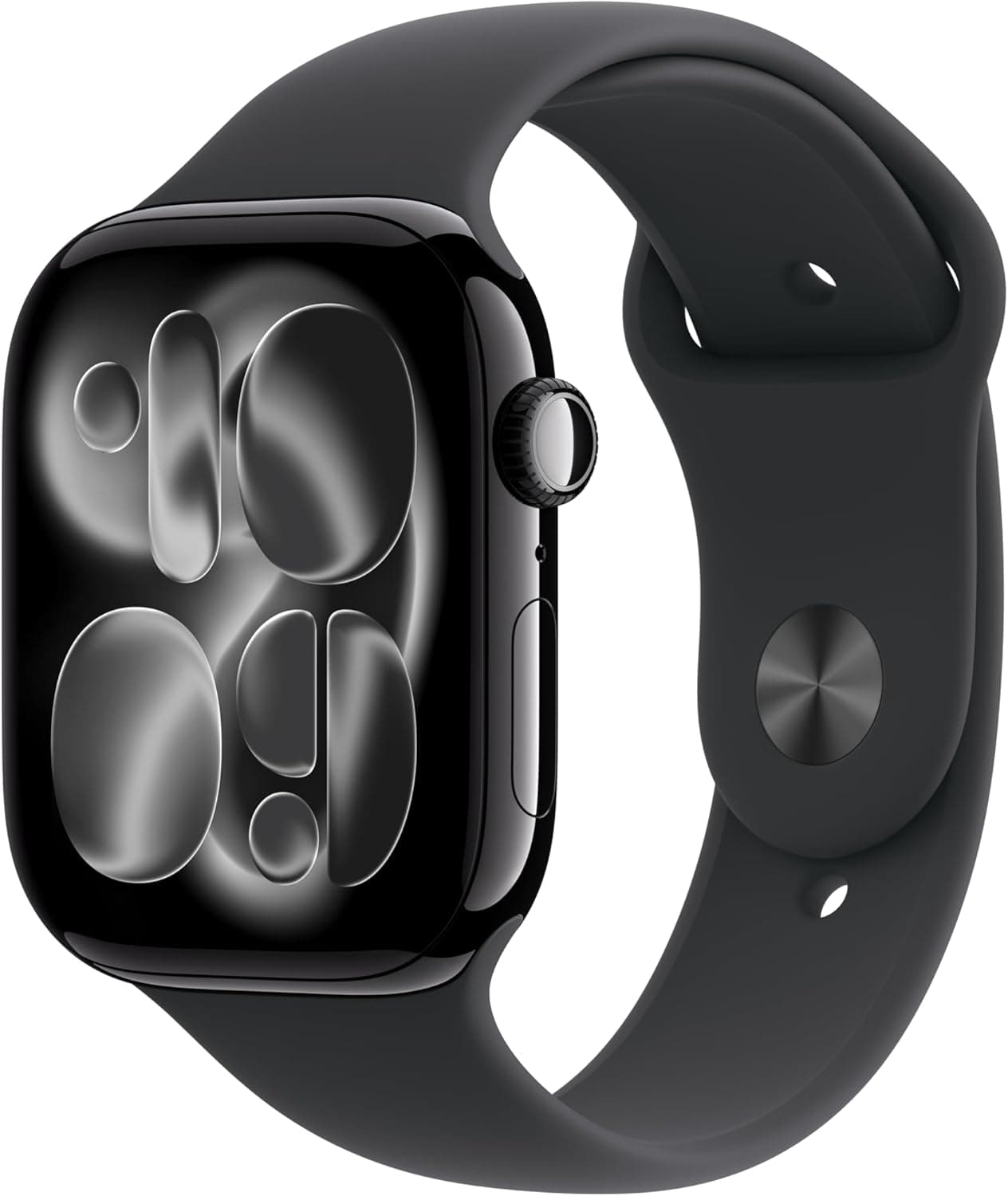
I personally wear the larger flagship model. If you want a screen big enough to read a quick text without squinting, the Apple Watch Series 11: Your Ultimate Fitness Companion is what I strap on every morning. Yes, that official name is a mouthful, but the jet black aluminum case hides scuffs remarkably well. I accidentally scraped it against a brick wall last month, and the dark finish completely masked the damage. Check the current price on Amazon to see if it fits your budget.
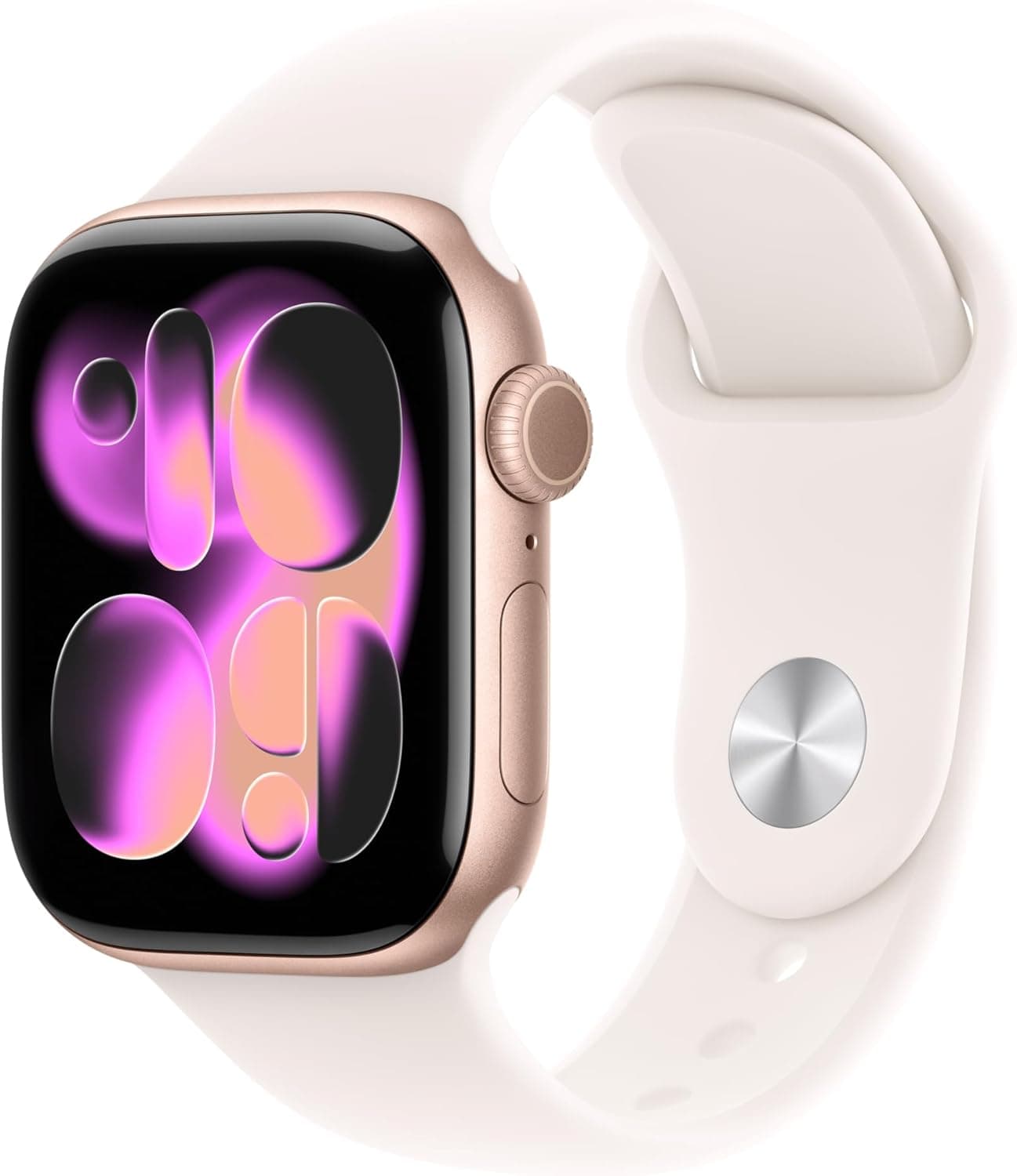
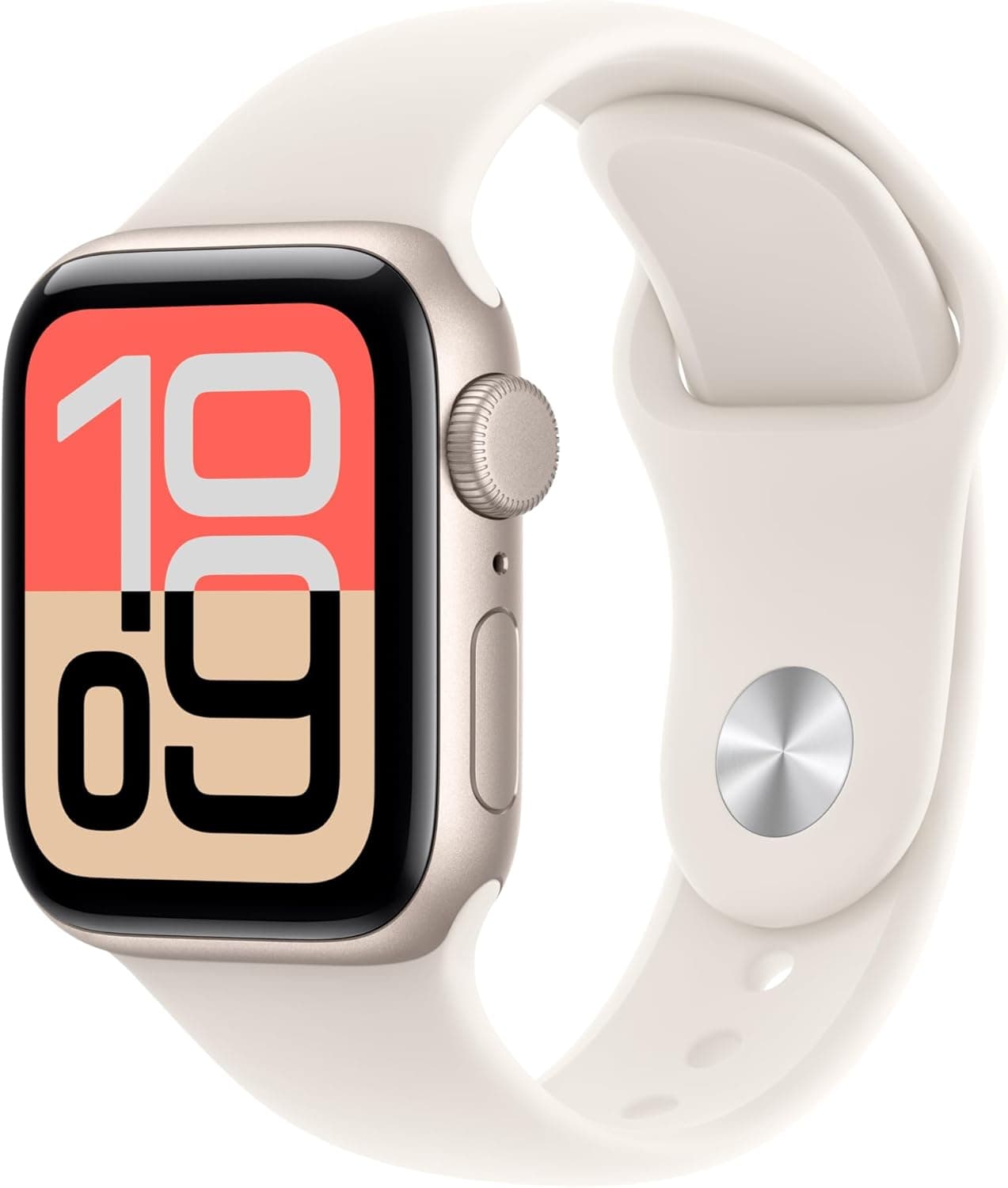
I upgraded my wife to the Apple Watch Series 11 GPS 42mm Smartwatch a few weeks ago. She has tiny wrists, and the 42mm size finally feels proportional. The rose gold doesn't look cheap or plasticky, which is a rare win for aluminum finishes. It tracks her sleep stages accurately enough that she actually uses the data to adjust her bedtime.
For my teenager, we skipped the flagship entirely. We bought him the Apple Watch SE 3 GPS 40mm Aluminum Case Smartwatch. This is the actual smart buy for most people. It tracks runs, handles Apple Pay, and lets him text me without needing a thousand-dollar phone in his pocket. It lacks the blood oxygen and ECG sensors, but unless your doctor specifically told you to monitor those things, you will open those apps exactly once and never touch them again.
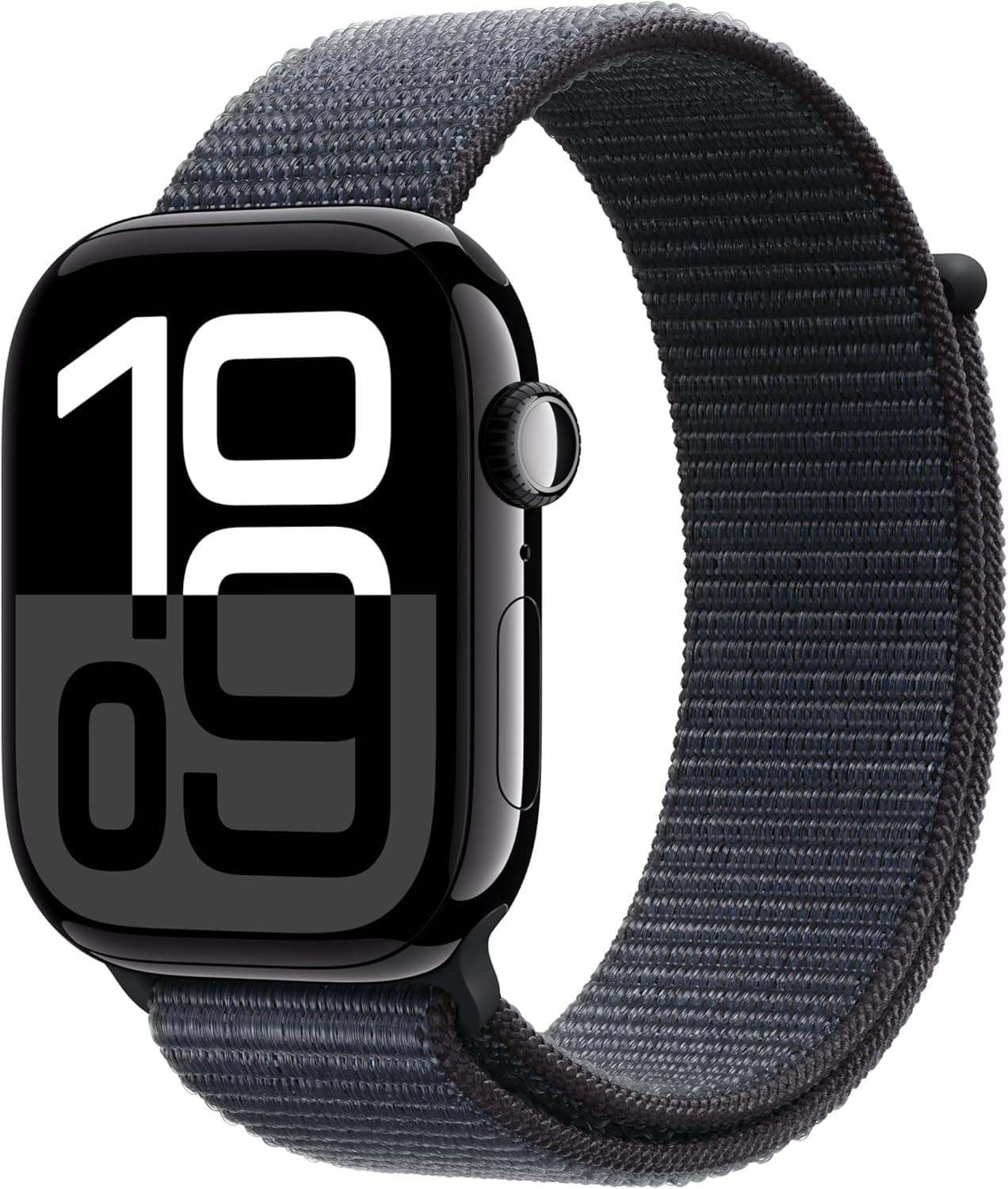
If you are hunting for deals, the Apple Watch Series 10 46mm GPS Aluminum Smartwatch is still floating around online. It has almost all the daily features of the 11, and retailers are trying to clear their inventory. See the latest model on AliExpress or check local big-box stores for open-box discounts.
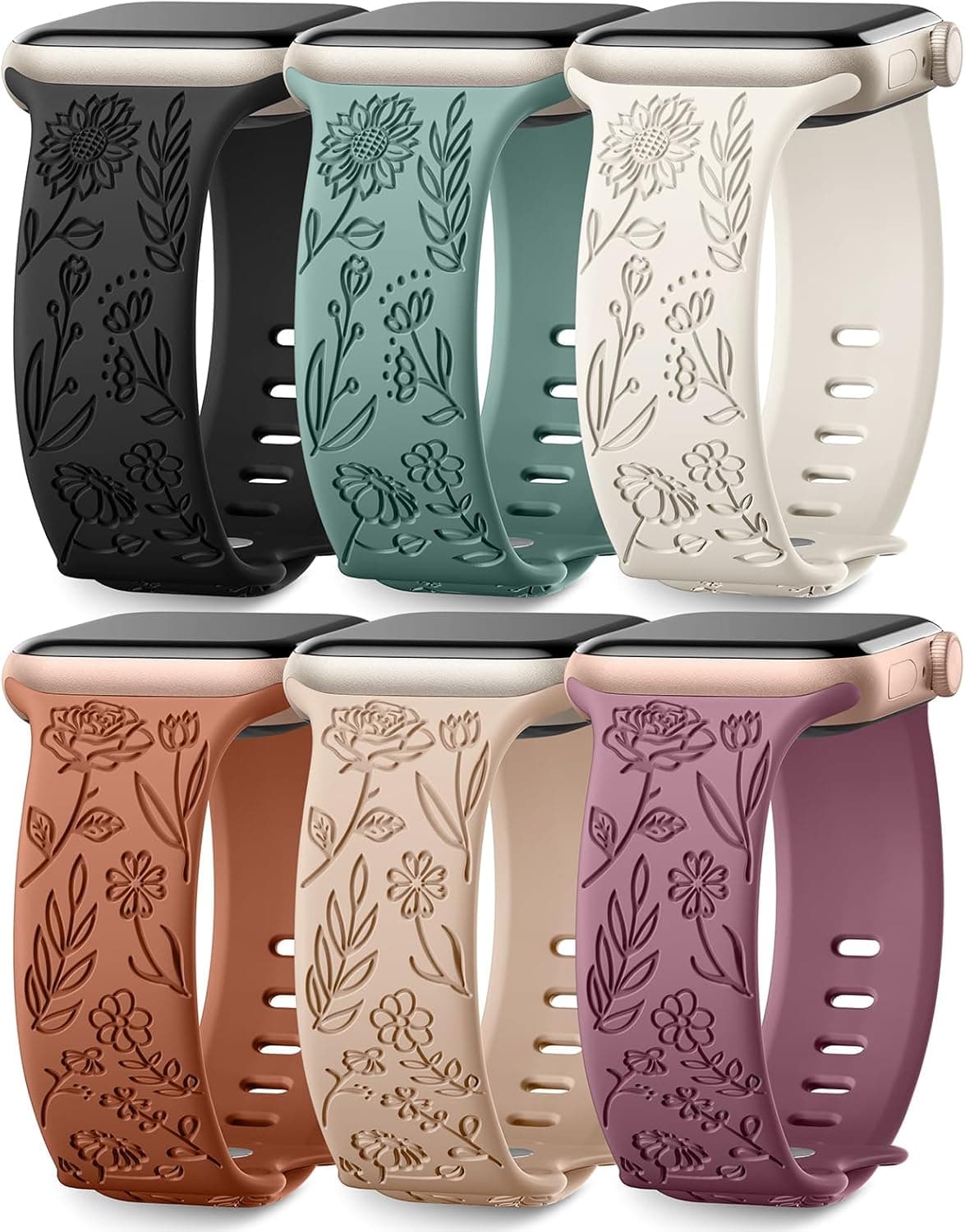
Regardless of which model you buy, throw away the stock silicone band immediately. The standard sports bands trap sweat and gave me a mild rash during a humid August road trip. I swapped our whole family over to the Stylish SNBLK Floral Bands for Apple Watch - 6 Pack. The engraved pattern actually lets a little air flow through the material. Getting six of them for that price means I can just toss one in the trash if it gets too grimy from yard work.
Features draining your wallet for nothing
Every year, marketing departments invent new reasons for you to spend an extra hundred dollars on a watch. Most of these features sound incredible on a glossy webpage but fall completely flat in real life. Here is what you should actively avoid paying for this year.
- Paying for cellular data: Unless you are a dedicated marathon runner who wants to leave your phone at home, do not buy the cellular version of a smartwatch. You will pay your carrier ten dollars a month for the privilege of receiving spam texts while you walk the dog. Your phone is almost always in your pocket anyway.
- Built-in sleep coaching: Basic sleep tracking is great. Paying a monthly subscription for an AI coach to tell you that you slept poorly is infuriating. I know I slept poorly. I was there. You do not need a paid app to tell you to go to bed earlier.
- Extreme rugged casings: Buying a titanium diving watch to wear while typing in Microsoft Excel is a massive waste of money. The standard aluminum cases are incredibly durable. Unless you are actively rock climbing or doing construction work, the heavy bezels just make it harder to slide your arm into a jacket.
- Skin temperature sensors: These are heavily marketed right now, but they are highly specific tools. They are excellent for cycle tracking and family planning. If you do not need them for that specific purpose, they are entirely useless. They will not warn you that you are getting the flu before you feel sick.
Who should actually upgrade right now
If you are wearing a Series 7 or older, the battery degradation alone is a valid reason to buy a new watch this year. Your battery is probably dying by 3 PM, and the newer processors will feel remarkably faster. Grab the SE 3 if you just want notifications and basic workout tracking, or get the Series 11 if you want the larger, edge-to-edge screen. But if you have a watch from the last two years that still holds a charge through dinner, keep it on your wrist. The hardware plateau is real, and your current watch is already doing everything that actually matters.
Discover