Wireless Earbuds Trends in 2026: What to Watch
Discover
We test so you don't have to
See our buying guides→I opened my gym bag yesterday and found three different black charging cases rattling around at the bottom. Half of them were dead, and I couldn't remember which pair actually stayed in my ears during a sprint. People searching for Wireless Earbuds Trends in 2026: What to Watch usually expect predictions about biometric sensors or AI voice assistants living in your ear canal. The reality on the ground is much more practical. We finally stopped caring about flashy gimmicks and started demanding hardware that simply works when we pull it out of our pockets.
The landscape has shifted dramatically over the last twelve months. The gap between cheap gas station earphones and premium audio gear used to be massive. Now, that gap has almost entirely vanished for the average listener.
What actually changed this year
The most noticeable shift in 2026 is baseline competency. You no longer have to spend two hundred dollars to get basic features like reliable connectivity or decent noise cancellation. The floor has been raised significantly across the entire industry.
Companies realized that cramming more tiny drivers into an earbud didn't matter if the connection dropped every time you turned your head at a crosswalk. The adoption of newer Bluetooth protocols means the audio stutter is basically a thing of the past. You pair them once, and they connect the second you open the lid.
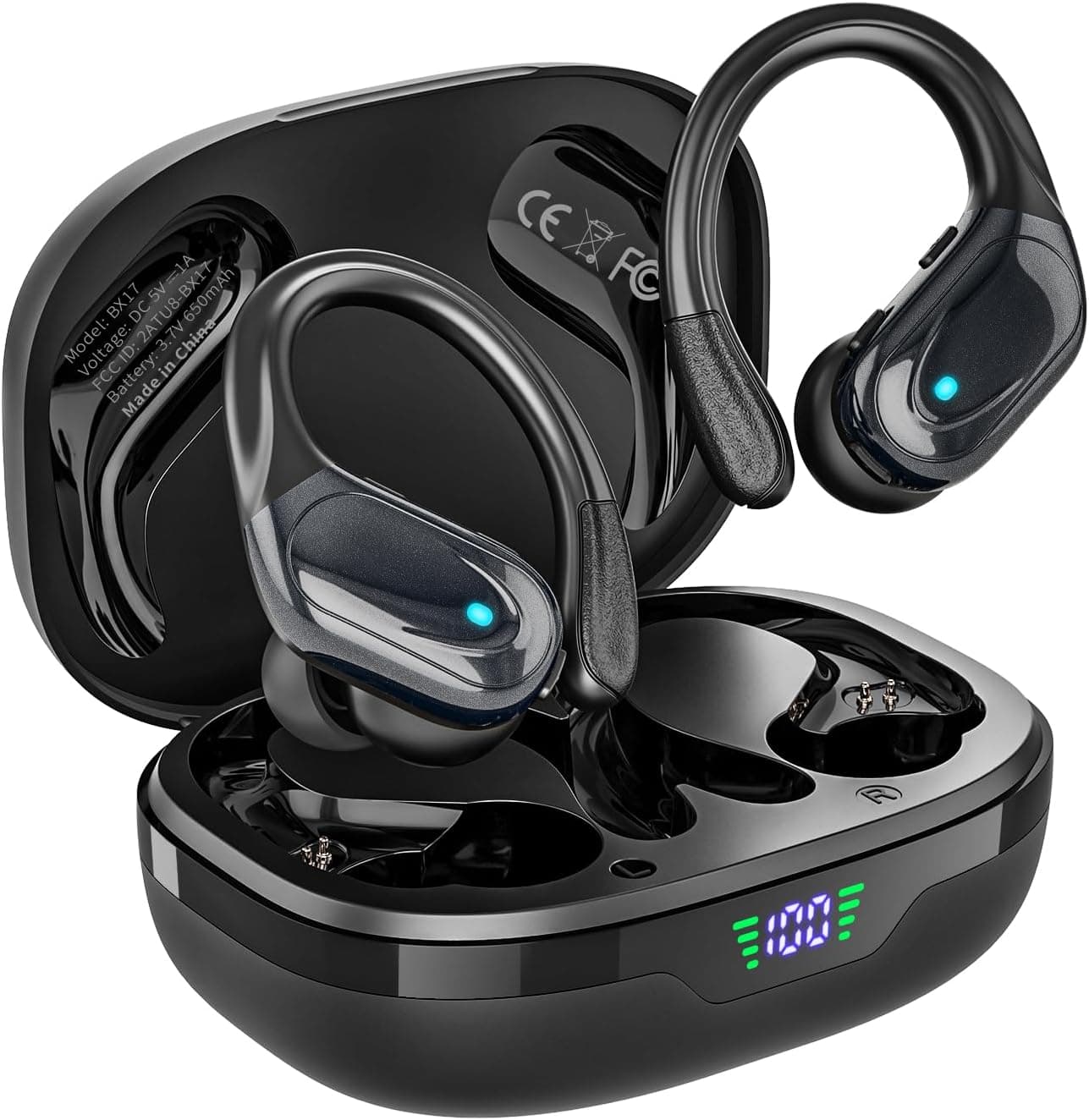
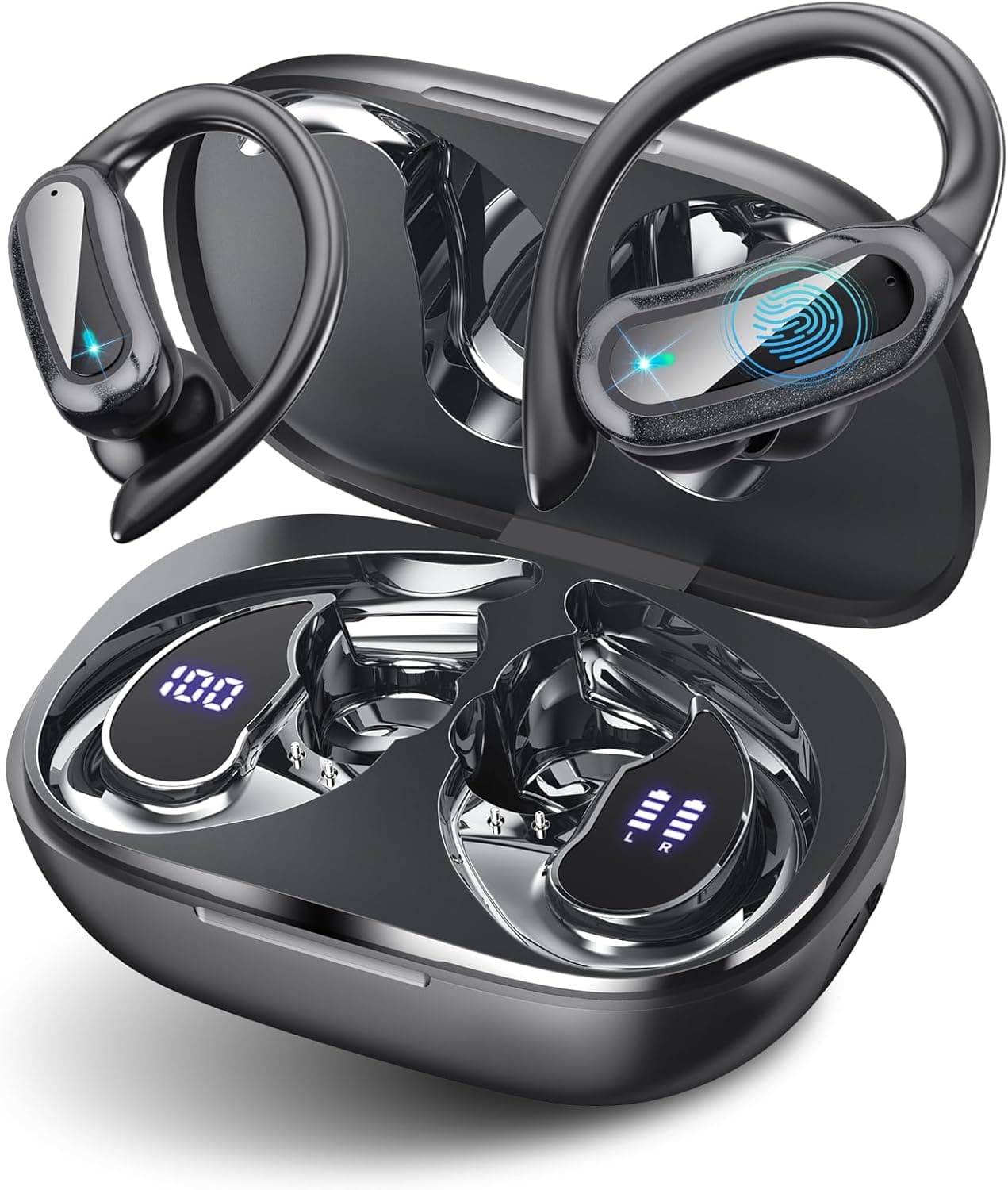
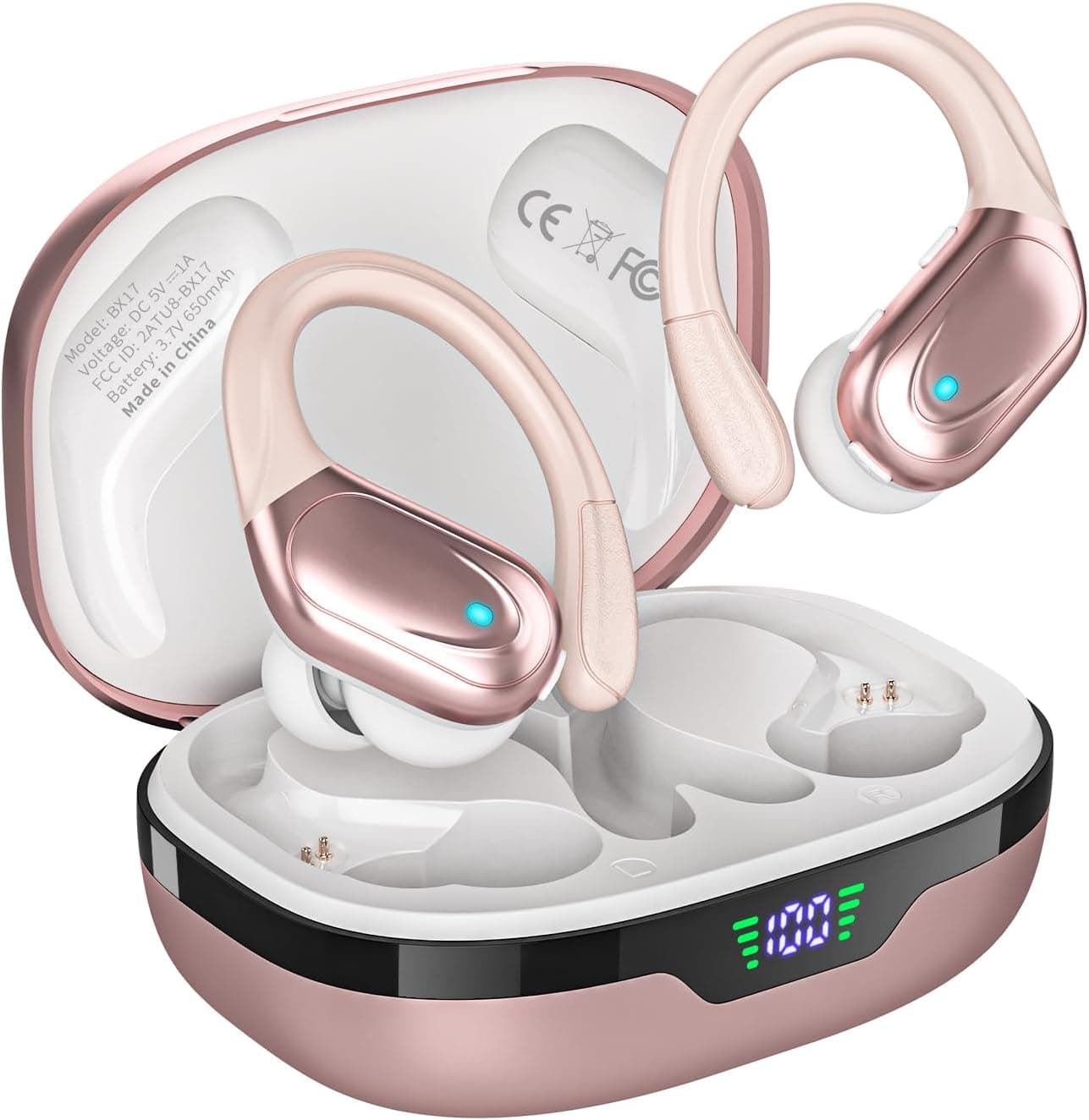
We are also seeing a massive shift in how brands handle battery anxiety. A few years ago, you had to guess how much juice was left based on a single blinking light on the front of a case. Red meant panic. Green meant you were fine for an hour or a week. Now, actual LED percentage readouts are becoming standard on budget models. It sounds like a minor tweak, but knowing exactly how much power you have left changes how you pack for a trip.
The mid-tier market is effectively dead. Three years ago, you might spend eighty dollars on a compromise pair. Today, the market is split into two distinct camps. You either buy an incredibly capable budget pair that you won't cry over losing, or you buy into a high-end ecosystem specifically for the microphone quality and device integration.
Battery life finally makes sense
The biggest hardware trend isn't better sound quality. It is power efficiency. We spent years accepting that wireless buds would die after four hours of continuous listening. If you took a cross-country flight, you had to put them back in the case somewhere over Kansas.
That limitation is gone. The chips inside these devices draw a fraction of the power they used to. We aren't just seeing slightly bigger batteries; we are seeing extreme efficiency. Total playtimes are hitting numbers that allow you to charge your case once a month. You can leave a pair in your office desk on Friday, come back Monday, and not even think about finding a wall outlet.
This changes the primary use case for wireless audio. They are no longer just for short commutes. People are leaving them in for entire work shifts, using transparency modes to hear their coworkers, and never hearing a low-battery warning.
The rotation on my desk
I test a lot of audio gear, but only a few pairs actually make it into my daily routine. I stopped caring about brand prestige a long time ago. I care about what works in specific situations.
I keep the HAOYUYAN Bluetooth Earbuds: 80H Playtime & Comfort on my desk specifically because of that massive battery reserve. I hate plugging things in. These go weeks without needing a cable, and the digital display on the front tells me exactly when I finally need to bother. The rose gold finish makes them easy to spot in a messy drawer. Check the current price on Amazon.
If you prefer a darker aesthetic, the HAOYUYAN Wireless Earbuds with 80Hrs Playtime & Noise Canceling does the exact same job in black. I use these for yard work. The ear hooks mean I can bend over to pick up branches and they never slip out. The noise canceling handles the drone of a lawnmower surprisingly well for a budget pair.
For actual workouts, the TRAUSI Wireless Earbuds: Comfort and Clarity for Active Lifestyles are my current default. I wore these on a trail run that turned into a freezing downpour. They kept playing, the Bluetooth didn't drop, and the physical fit didn't budge even when I was wiping rain off my face.
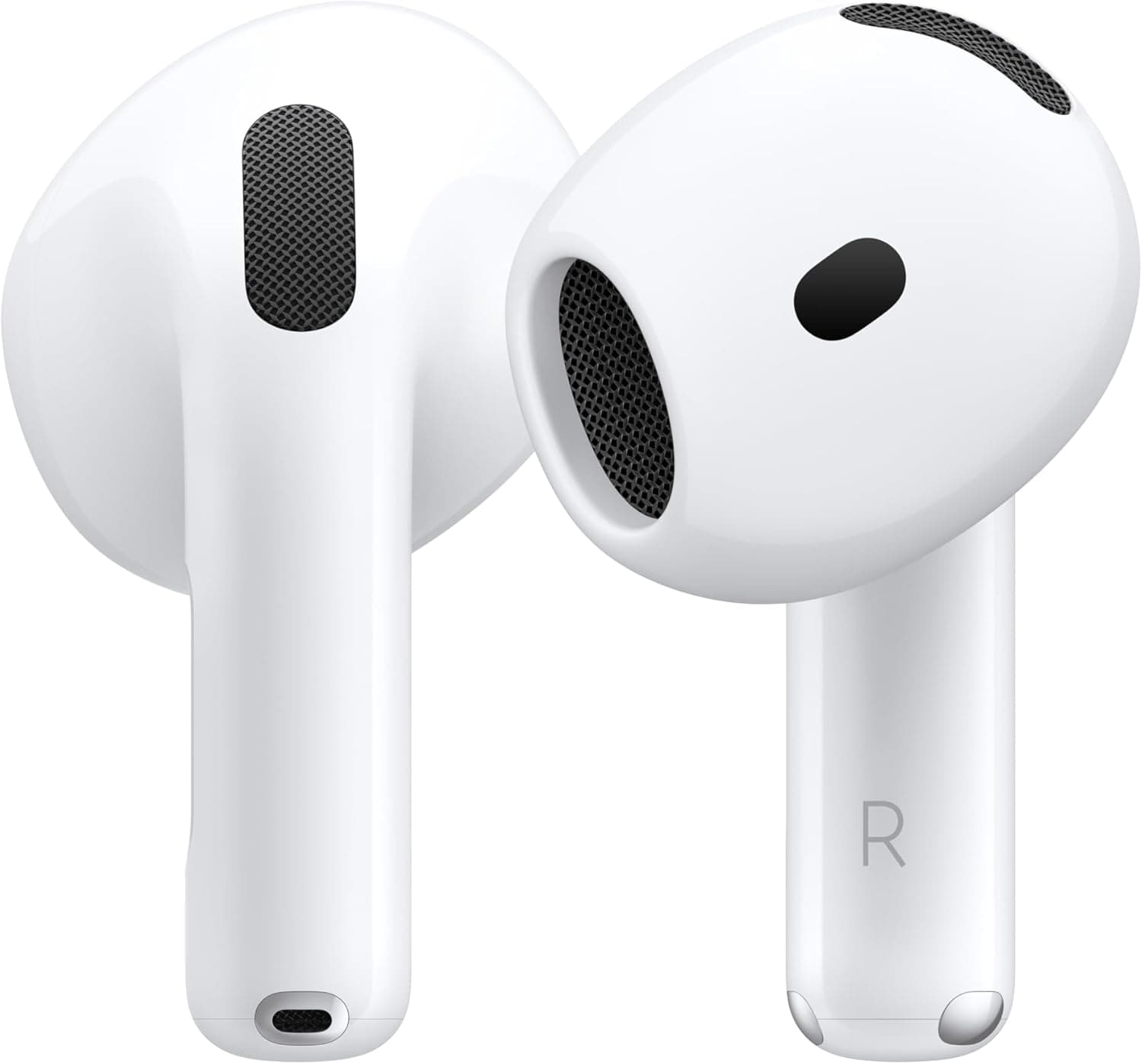
I still rely on the Apple AirPods 4: Comfort, Quality, and Long Battery Life for client calls. Apple finally switching to USB-C means I can pack one less proprietary cable in my travel bag. The microphone isolation in a windy parking lot is still the main reason I keep them charged. They filter out background traffic noise better than anything else I own. Check the latest model on Amazon.
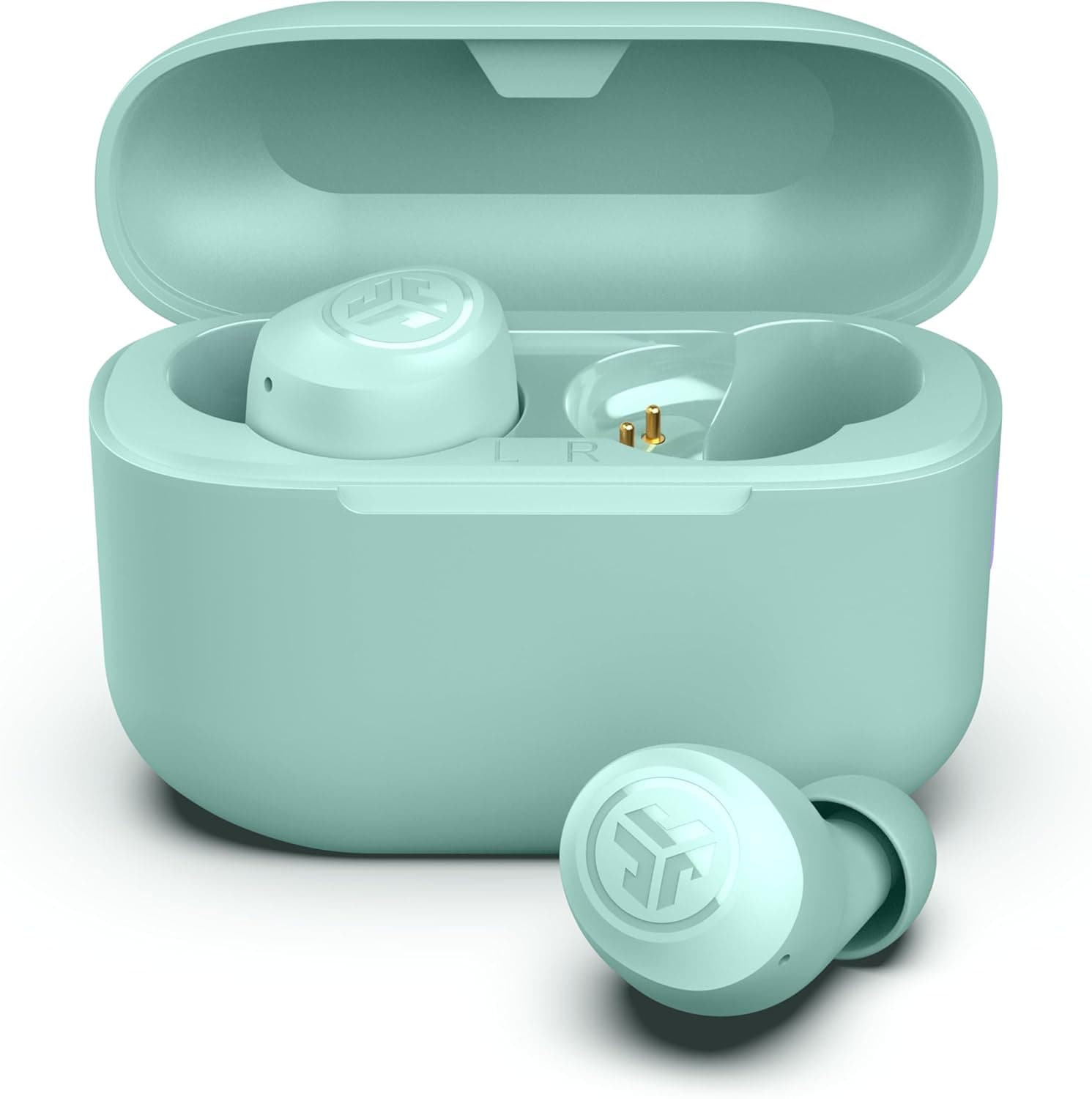
Then there is the JLab Go Air Pop+ True Wireless Earbuds with Charging Case. I bought these as a disposable pair for a camping trip because they cost less than a decent lunch. They survived being dropped in the dirt, the mint green case is impossible to lose in a tent, and they sound entirely fine for podcasts by the fire.
Features I actively avoid
The tech industry loves to solve problems that do not exist. As the core technology gets cheaper, brands try to justify higher price tags by cramming useless features into the hardware. Here is what I refuse to spend money on right now.
- Touchscreen charging cases: A few brands are putting tiny, low-resolution screens on the outside of the case so you can skip tracks or change the volume. It drains the case battery faster, scratches easily in your pocket, and requires two hands to operate. Your phone already has a screen.
- Mandatory companion apps: If a pair of earbuds forces me to download a 200MB app and create a user account just to adjust the bass or turn on noise cancellation, I return them immediately. Hardware should work out of the box.
- In-ear heart rate monitors: Putting biometric sensors inside an earbud sounds futuristic, but they are notoriously inaccurate compared to a basic smartwatch. Worse, they cut the earbud's battery life in half. You end up with bad data and dead headphones.
- Capacitive touch controls: Tapping the side of an earbud to pause a song works great in a dry, climate-controlled office. It fails miserably when you are sweating on a run or wearing light gloves in the winter. Brands are slowly moving back to physical, tactile clicks, and I actively avoid anything that relies purely on touch sensors.
Making the right call
If you run outside, lift weights, or just hate the anxiety of a dying battery, grab a pair of the wraparound sports buds with a digital case display. They stay anchored to your head, they hold enough power to get through a month of workouts, and you will not panic if you accidentally drop one down a storm grate. The days of treating wireless audio like fragile, expensive jewelry are over. Buy the tool that fits the job and forget about the rest.
Discover