What to Look For in Outdoor Sports Gear
Discover
We test so you don't have to
See our buying guides→I used to grab whatever was cheapest at the big box store before a camping trip. That strategy resulted in a lot of soaked sleeping bags and heavy packs that bruised my shoulders. Getting your setup right actually matters. You don't need to spend thousands, but you do need to know which details matter and which are just marketing hype.
Why I stopped buying cheap junk
Buying better outdoor equipment saves you money in the long run. More importantly, it keeps you from freezing on a ridge or eating cold beans because your stove won't light. Every piece of equipment in your pack needs to pull its weight. If it fails miles from your car, you're going to have a miserable weekend.
How I actually pick my stuff
-
Surviving the dirt and rain
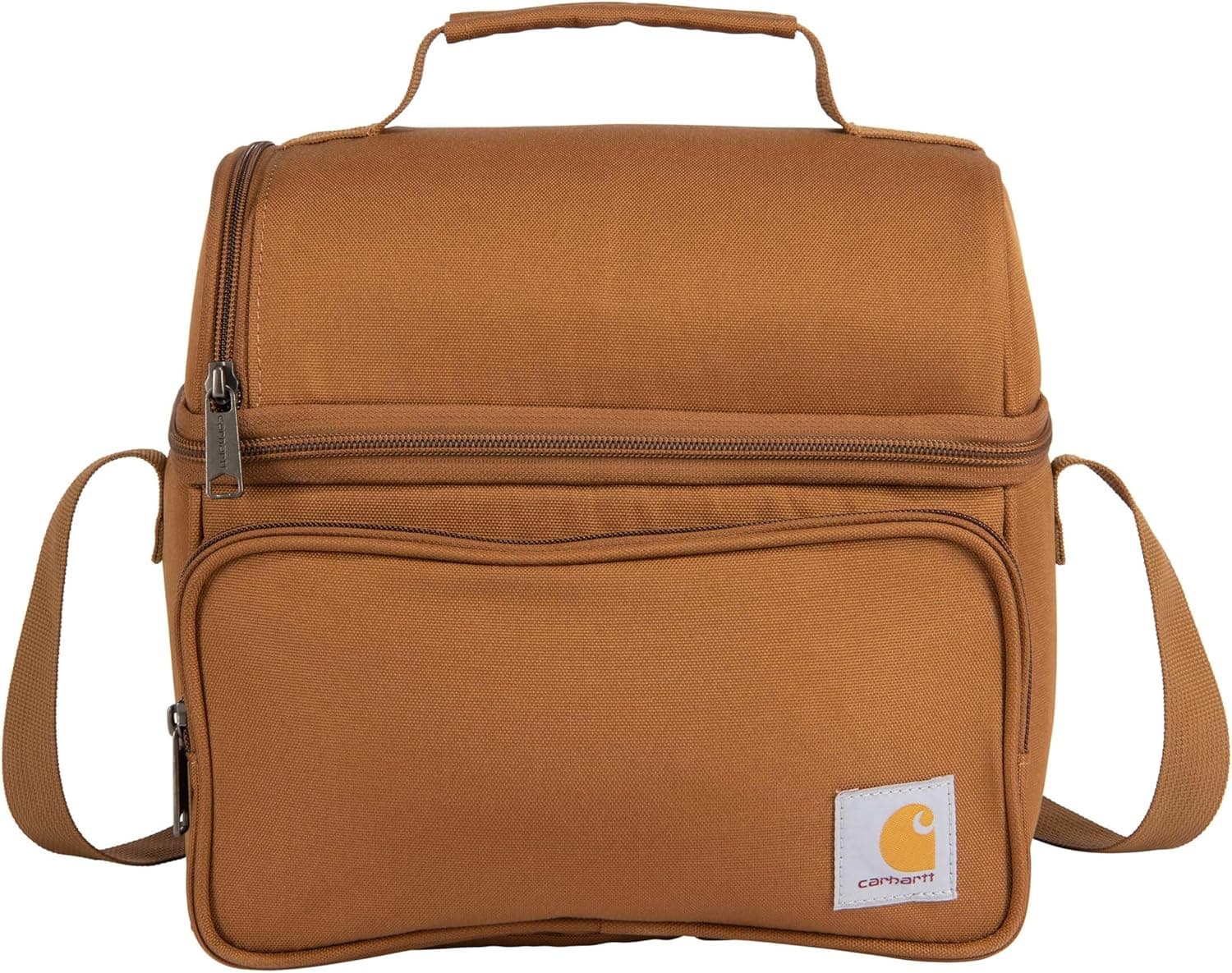
Nature destroys things. Your gear will get rained on, dropped on rocks, and shoved into car trunks. Materials need to handle actual abuse. I keep my camp food in the Carhartt Insulated Lunch Box: Rugged Soft-Shell Cooler. It has a 4.8-star rating because the canvas exterior refuses to tear, even after months of being dragged around construction sites and dirty campsites.
-
Keeping your pack light
Every ounce feels like a pound after three miles of uphill hiking. Heavy gear ruins trips. I swapped my old bulky flashlights for the Nitecore NU20: Ultralight 360 Lumen Rechargeable Headlamp. This thing weighs 1.9 ounces. You barely feel it on your forehead. I use it for night hikes and fiddling with tent poles in the dark. Plus, plugging it into a USB battery pack beats carrying spare AA batteries.
-
Doing more than one job
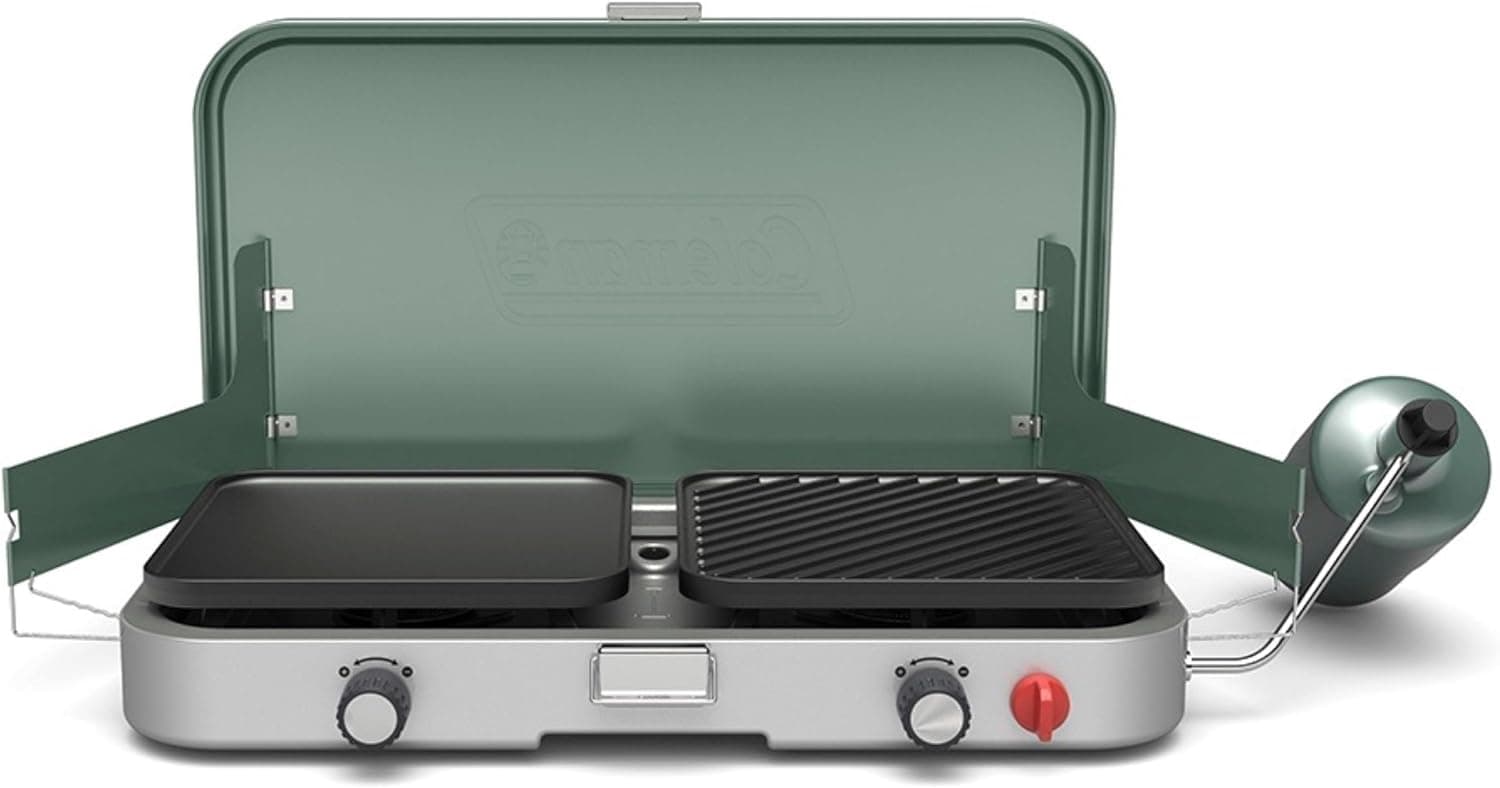
Single-use items waste space. I look for things that solve multiple problems at once. The Coleman Cascade 3-in-1 Portable Camp Stove & Grill is a prime example. I use it to boil water for coffee and cook eggs on the griddle. Compacting multiple cooking methods into one metal box frees up a massive amount of trunk space.
-
Working when you're tired
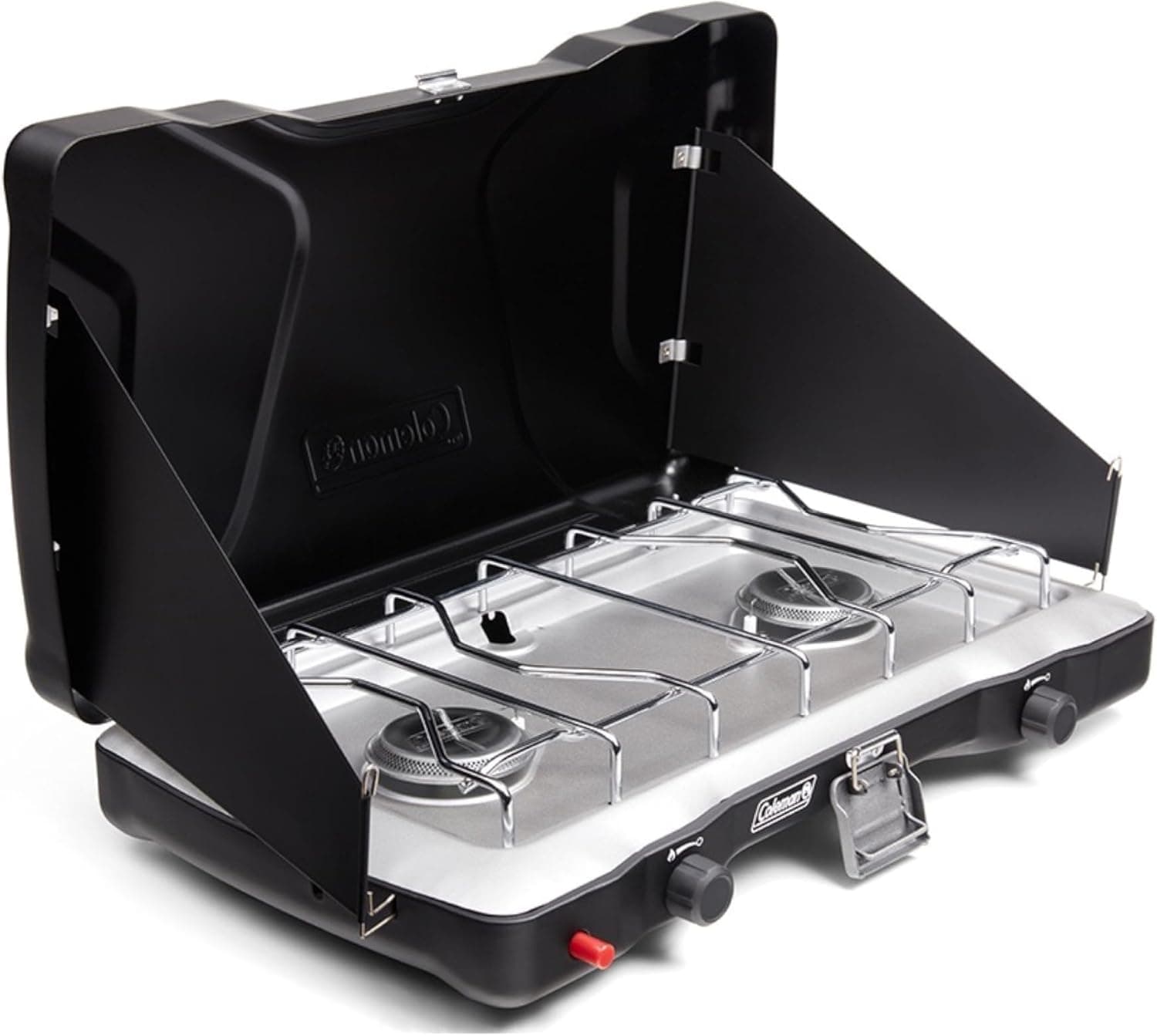
Nobody wants to read a manual by moonlight. Fiddly gear is dangerous if the temperature drops and your fingers are numb. You want idiot-proof operation. I rely on the Coleman Triton+ 2-Burner Portable Propane Camping Stove because of the Instastart button. You just press it and the flame catches. No hunting for a lighter in the freezing wind while trying to get breakfast started.
-
Finding things without unpacking
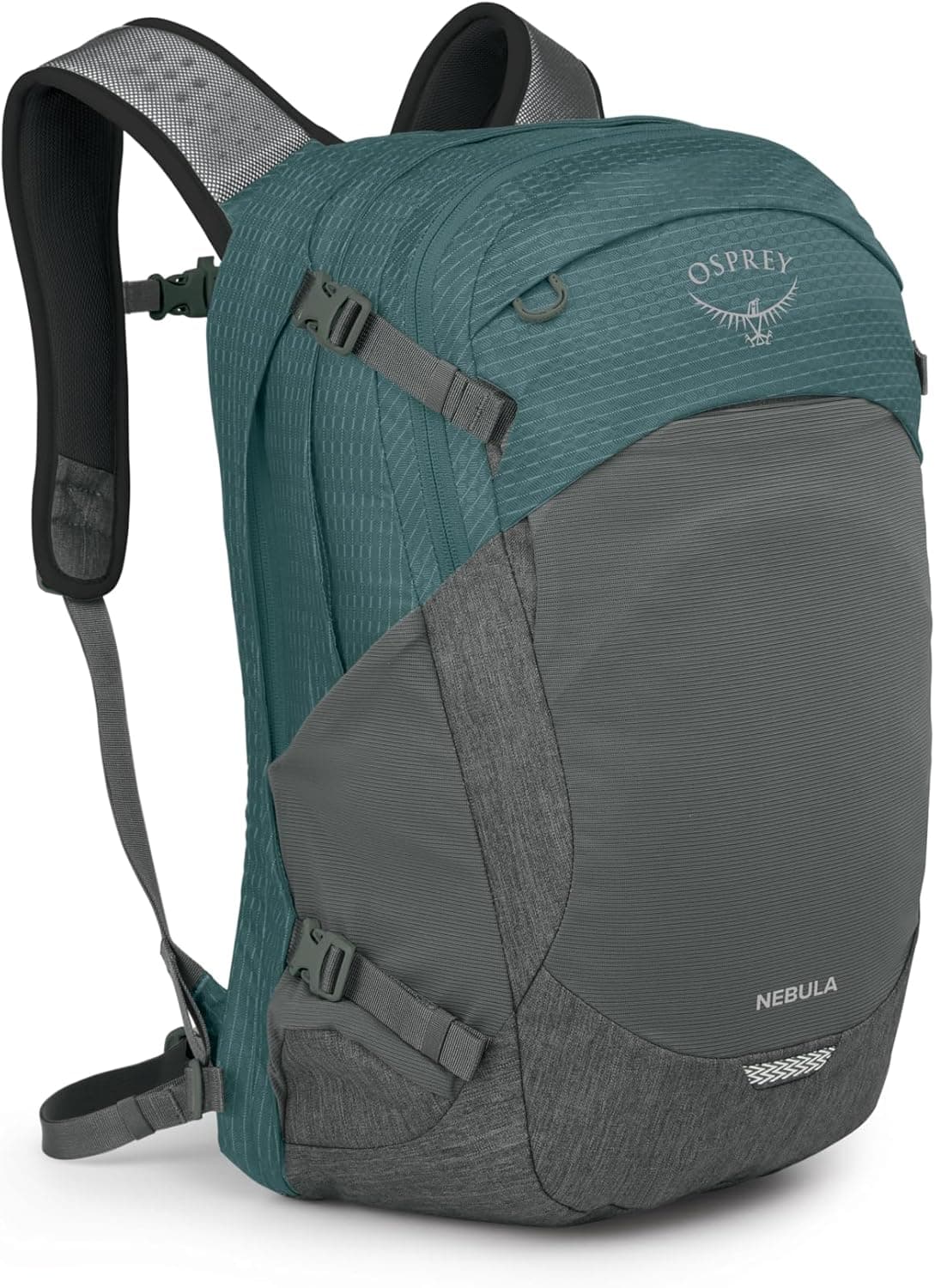
Dumping your entire pack on the ground just to find your car keys gets old fast. Good pocket layouts save your sanity. I carry the Osprey Nebula Commuter Backpack: Stylish and Functional almost every day. It handles my laptop on Tuesday and my trail snacks on Saturday. The compartments actually make sense, so I always know exactly where I stashed my rain shell.
-
Getting what you pay for
Expensive doesn't always mean better. You just need things to last. The Carhartt cooler I mentioned earlier costs around $27.82. For a bag that survives daily worksite abuse and weekend picnics without falling apart, that price makes absolute sense. Look for that intersection of longevity and a reasonable price tag.
What I'm packing right now
- Forget you're wearing it: Nitecore NU20: Ultralight 360 Lumen Rechargeable Headlamp ($24.95). It puts out enough light to hike safely but weighs next to nothing.
- Survives being thrown around: Carhartt Insulated Lunch Box: Rugged Soft-Shell Cooler ($27.82). This bag keeps food cold and handles rough treatment far better than hard plastic coolers that crack.
- Cooks absolutely everything outside: Coleman Cascade 3-in-1 Portable Camp Stove & Grill ($274.99). You get a grill, griddle, and stove packed into a single unit.
- Lights on the first try: Coleman Triton+ 2-Burner Portable Propane Camping Stove ($107.97). Handles high winds and cold mornings without making you hunt for matches.
- Holds all your random gear: Osprey Nebula Commuter Backpack: Stylish and Functional ($153.81). Manages to look normal in an office while surviving weekend dirt trails.
Before you head out
Building a reliable gear closet takes a while. Focus on replacing your most frustrating items first. If your stove always flares up, upgrade that. If your pack hurts your back, start there. Read the actual specs, check the weight, and ask yourself if you really want to carry it up a hill.
Check the current price on Amazon to see if you can catch an off-season sale before your next trip.
Discover