Smart Lighting Trends in 2026: What to Watch
Discover
We test so you don't have to
See our buying guides→My bedroom ceiling fan blasted me with 100 percent cool white light at 3 AM last Tuesday. A silent firmware update had rebooted the system, and the manufacturer's default power-on state was set to maximum brightness. Anyone searching for Smart Lighting Trends in 2026: What to Watch is likely hoping we have moved past these absurd growing pains. We mostly have, but the industry is still shaking off some bad habits.
For the past five years, companies sold us on novelty. They wanted us to believe we needed our living rooms to look like neon nightclubs and our televisions to sync with flashing strobe lights. That phase is finally ending. The current shift is entirely about utility, reliability, and making the technology invisible until you actually need it. If you are planning an upgrade or outfitting a new house, the landscape looks very different today than it did even two years ago.
Tracking Smart Lighting Trends in 2026: What to Watch For Real
The biggest shift happening right now is the death of the cloud dependency. Early smart bulbs required your command to travel from your phone, out to a server in another state, and back to your router just to turn off a desk lamp. If your internet provider had an outage, your house turned into a dark cave. You could flip the wall switch, but the software would get confused and drop the connection entirely.
Now, local processing is the standard. Technologies like Thread and Matter are forcing manufacturers to let devices talk directly to each other within your house. Your motion sensor tells the bulb to turn on, and the command never leaves your living room. This means the response time has dropped from a two-second delay to instant activation. It also means your routines still run perfectly if the Wi-Fi goes down.
We are also seeing a massive pivot away from RGB color features toward hyper-tuned white spectrums. The novelty of turning your kitchen purple wears off in about a week. What actually matters is circadian rhythm lighting. Newer controllers are designed to automatically shift the color temperature of your house throughout the day. You get crisp, blue-toned white light at noon to keep you awake, which slowly transitions into a soft, amber glow by 9 PM to help your brain prepare for sleep. This used to require complex custom programming, but in 2026, it is becoming a standard toggle in most basic apps.
The hardware itself is getting smarter without relying on external triggers. We used to stick ugly white plastic motion sensors on our walls to trigger hallway lights. Now, the sensing technology is shrinking. Radar and passive infrared sensors are being built directly into the base of the bulbs. You do not need a hub or a routine. You just screw the bulb in, and it knows when a human walks into the room.
Hardware that makes sense right now
You do not need to spend forty dollars on a single bulb anymore. The baseline technology has become so cheap to manufacture that budget options often use the exact same internal LED chips as the premium brands.
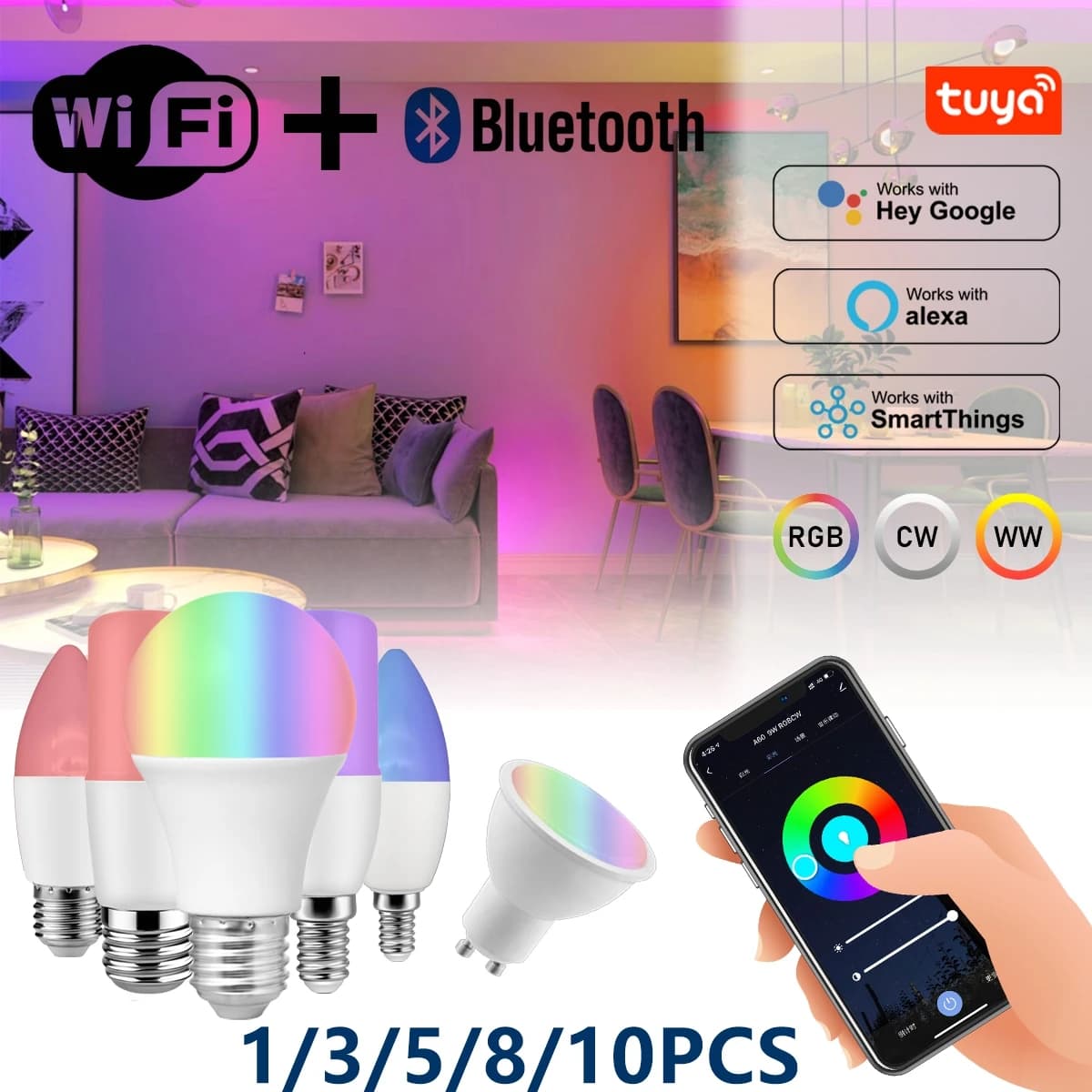
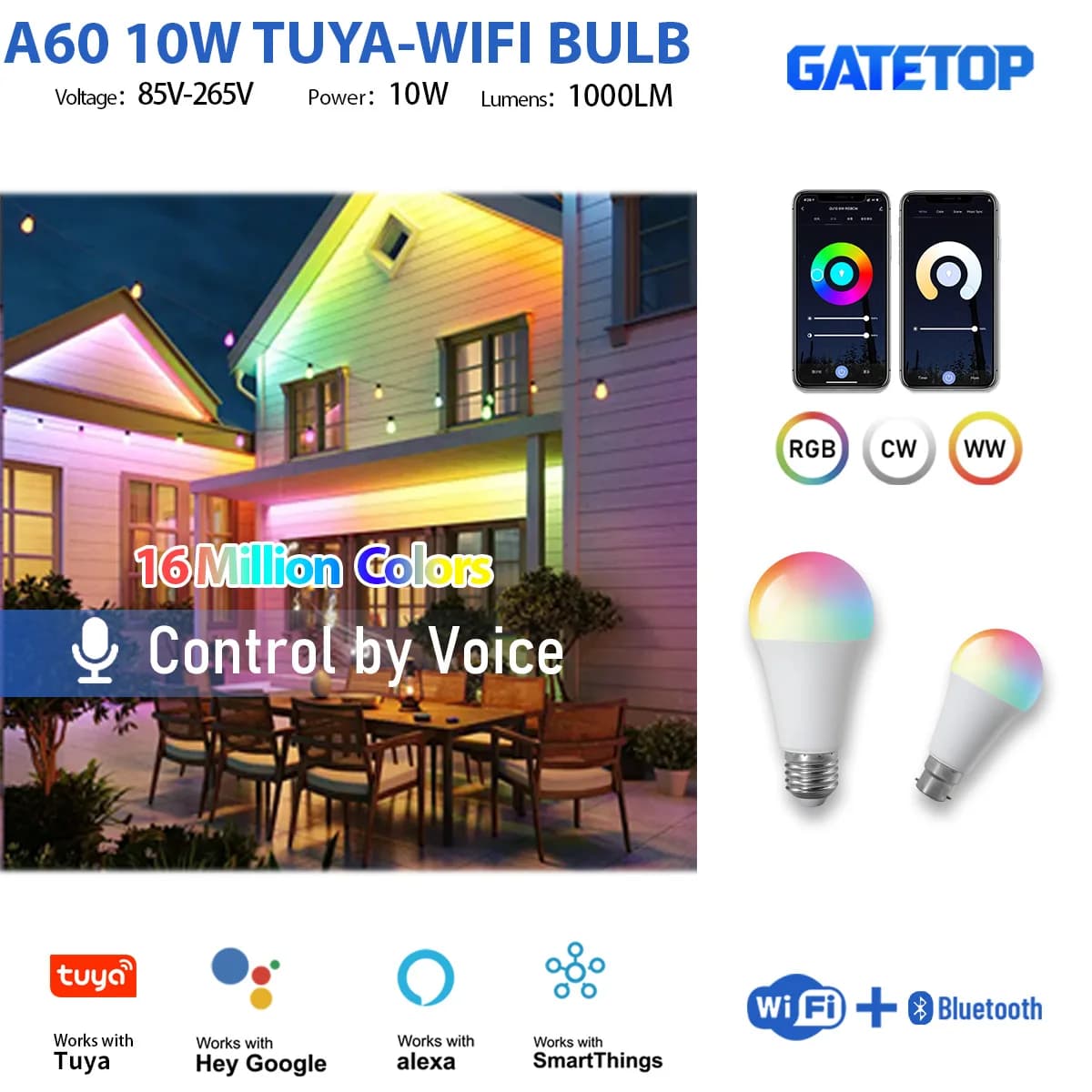
I keep a box of the RGB Smart LED Bulb E27 B22 by Tuya in my utility closet for general replacements. The plastic housing feels a bit cheap in your hand, but once it is screwed into a ceiling fixture, you will never touch it again. They connect to the Tuya app quickly and handle basic scheduling without a dedicated hub. Check the latest model on AliExpress if you need to outfit a whole basement or a kid's playroom on a strict budget.
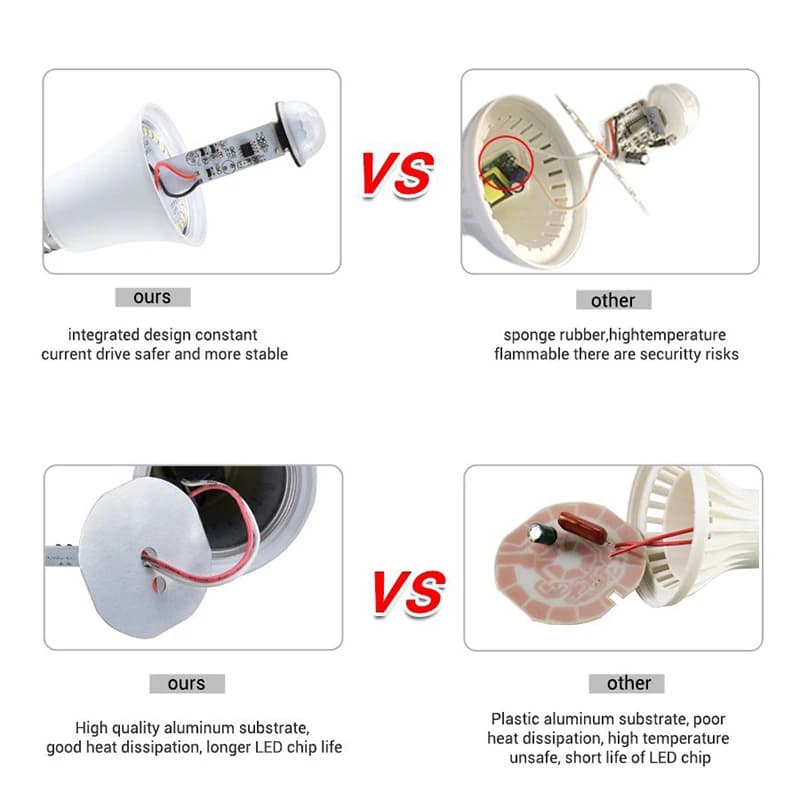
For the garage, the laundry room, and the basement stairs, I stopped bothering with apps entirely. I swapped the standard fixtures for the Auto ON/OFF Motion Sensor LED Bulb. This is dumb-smart tech at its best. It has the motion sensor built right into the dome. You walk down the steps carrying two heavy boxes, the light turns on. You leave, it shuts off a minute later. There is no software to update and no Wi-Fi network to configure.
Chandeliers and small decorative lamps used to be a dead zone for automation because standard A19 bulbs look ridiculous sticking out of them. The Tuya RGB LED Candle Bulb Smart Lamps solve this by fitting narrow candelabra bases while still giving you full dimming and grouping features. I use these in the dining room so I can drop the brightness to twenty percent during dinner without installing a physical dimmer switch on the wall.
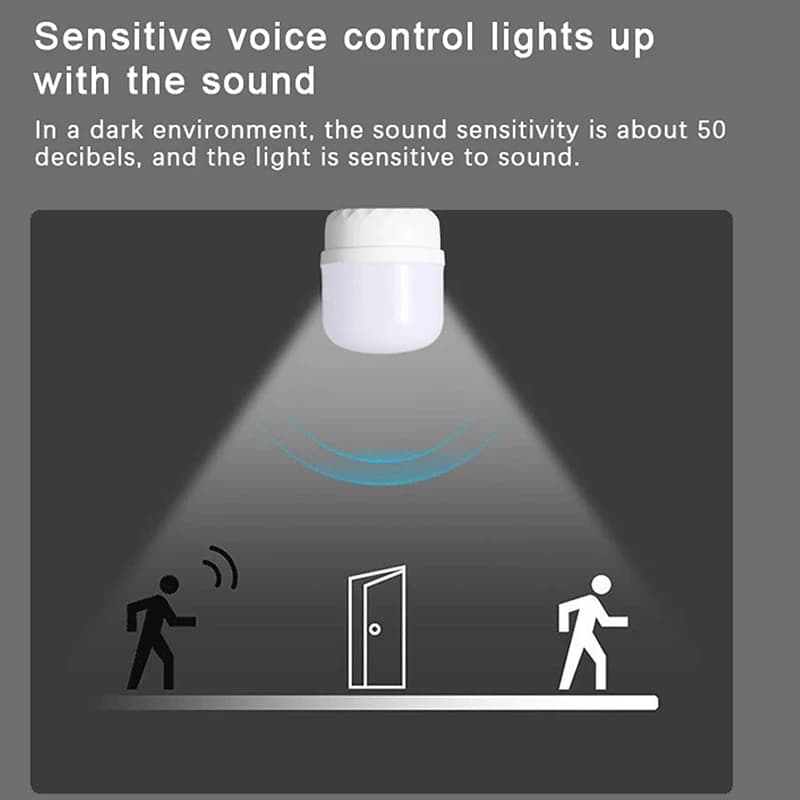
If you just want to yell at your bedside lamp to turn off without reaching for a switch, the Voice Control Smart RGB Light Bulb handles direct integration with Alexa and Google Home out of the box. I put one of these in a reading lamp. It does exactly what it is supposed to do without requiring a proprietary bridge device sitting next to my router. See the current price on AliExpress to grab a few for your nightstands.
The mesh network advantage
If you are planning to install more than ten smart bulbs in your house, you need to pay attention to how they communicate. The old method was connecting every single bulb directly to your Wi-Fi router. This was a disaster. Most standard routers are only designed to handle about thirty simultaneous IP addresses. Once you add your phones, laptops, smart TVs, and twenty light bulbs, the router starts dropping connections to keep up.
The 2026 standard relies on mesh networks, specifically Thread or Zigbee. Instead of twenty bulbs yelling at your router, the bulbs talk to each other. Bulb A passes the signal to Bulb B, which passes it to Bulb C. Only one device actually needs to communicate with your main network. This creates a highly stable web of coverage. If a bulb in the corner of your house has a weak signal, it just bounces its command off the bulb in the hallway.
When shopping for new fixtures this year, checking the box for Thread support or Matter compatibility is the only way to ensure your setup will not cripple your home internet speeds.
Where you are wasting your money
The lighting aisle is full of expensive traps that sound great on paper but fail miserably in actual daily use.
Mixing smart switches and smart bulbs: Pick one or the other. If you install a smart wall switch and put a smart bulb in the ceiling, you create a logic loop that will break your brain. Someone flips the wall switch off, the bulb loses physical power, and your app can no longer reach it. If you want color control, use smart bulbs and put physical covers over your wall switches. If you just want remote on/off control, use dumb bulbs with a smart switch.
Proprietary cloud ecosystems: If the packaging says the device requires an active internet connection to process a basic daily schedule, leave it on the shelf. Companies shut down their servers all the time. When they do, your expensive hardware becomes e-waste. Stick to devices that advertise local control or Matter support.
High lumen counts in small rooms: A 1600-lumen bulb in a bedside lamp is blinding, even when dimmed to ten percent. People often buy the brightest bulb available thinking they are getting better value. Focus on the dimming capability and the color temperature range instead of raw brightness. A softer 800-lumen bulb is far more useful in a living space.
Ultra-expensive TV sync boxes: These systems use a camera or an HDMI passthrough box to read the colors on your television and project them onto the wall behind it. They cost as much as a new monitor and usually introduce HDMI lag to your gaming console. The flashing strobe effect is highly distracting during movies. A simple, static bias light behind the TV reduces eye strain much better and costs a fraction of the price.
If you are moving into a new place and trying to decide how to light it, ignore the gimmicks. Put cheap, sensor-activated bulbs in your utility spaces so you never have to touch a switch in the dark. Put tunable white smart bulbs in your bedroom and living room, set them to automatically warm up after sunset, and let the schedule run in the background. The best smart lighting setup is the one you completely forget is there.
Discover