Outdoor Sports Gear Trends in 2026: What to Watch
Discover
We test so you don't have to
See our buying guides→I spent last weekend staring at a plastic bin full of dead headlamps and proprietary charging cables in my garage. We keep chasing the next big innovation in the backcountry, but half the stuff we bought three years ago is already obsolete or broken. If you are tracking outdoor sports gear trends in 2026: what to watch isn't another Bluetooth-enabled water bottle. The actual shift happening right now is a massive pivot back to stuff that works when you drop it in the dirt.
Outdoor Sports Gear Trends in 2026: What to Watch Instead of the Hype
The last few years gave us a lot of tech we didn't ask for. Jackets with built-in heating elements that shorted out in the rain. Camp stoves that required a firmware update before you could boil water for coffee. Manufacturers finally realized that when you are ten miles past the trailhead, you don't care about an app ecosystem. You just want your gear to turn on.
One major shift is the absolute death of proprietary charging cables. It took way too long, but USB-C is finally the standard across the board. If a piece of electronic gear requires a specific barrel plug or a weird magnetic pogo-pin charger in 2026, it belongs in the trash. I refuse to pack four different cables for a weekend trip anymore. Brands that haven't updated their ports are seeing their products gather dust on retail shelves.
Another massive change is the rejection of the ultra-fragile ultralight movement. For a while, everyone was shaving grams to the point of absurdity. Tents made of tissue paper. Backpacks that shredded if you looked at a granite boulder the wrong way. Now, we are seeing a return to heavier denier fabrics. People are willingly carrying an extra eight ounces if it means their pack will survive a rough scramble through pine branches. Durability is the new status symbol. You see it in the way brands are marketing their warranty programs over their weight specs.
The regulatory landscape is also forcing a quiet revolution in materials. The widespread bans on PFAS (forever chemicals) mean that the waterproof jackets and tents of 2026 feel different. The old crinkly, stiff Gore-Tex alternatives are being replaced by new membranes that breathe better but require more frequent washing to maintain their water repellency. You actually have to read the care label now. Throwing your shell in the dryer to reactivate the DWR coating is a mandatory chore, not just a suggestion.
Right to Repair is finally hitting the outdoor industry in a meaningful way. For a decade, if a zipper broke on an expensive tent, the manufacturer would just tell you to buy a new one. Now, we are seeing brands design gear specifically to be taken apart. Tents feature modular pole sleeves. Jackets are built so the main zipper can be swapped out with a basic sewing kit. Buying gear that you can actually fix in your living room is the smartest move you can make this year.
We are also seeing a consolidation of gear. The era of buying a highly specific item for a hyper-specific scenario is fading. Nobody wants a closet full of single-use items. You buy a shell that works for skiing just as well as it does for walking the dog in a downpour. You buy a camp stove that can handle a tailgate party just as well as a dispersed camping spot in the desert.
Stuff that survived my garage purge
This shift toward reliability over novelty means I have been leaning heavily on a few specific pieces lately. Some are new, some are just updated classics that finally got it right.
Take lighting. I used to carry heavy AA-battery monstrosities that always seemed to die right when I needed to find a tent stake. Then I moved to the Nitecore NU20: Ultralight 360 Lumen Rechargeable Headlamp. It weighs barely anything and uses USB-C. I plug it into the same power bank I use for my phone. I wore it on a night hike in the Cascades last month that turned into a freezing drizzle, and it just kept working. The red light mode is actually bright enough to read a map without blinding everyone else in the tent. The physical buttons are easy to find with cold fingers, which is a detail too many brands mess up. Check the current price on Amazon.
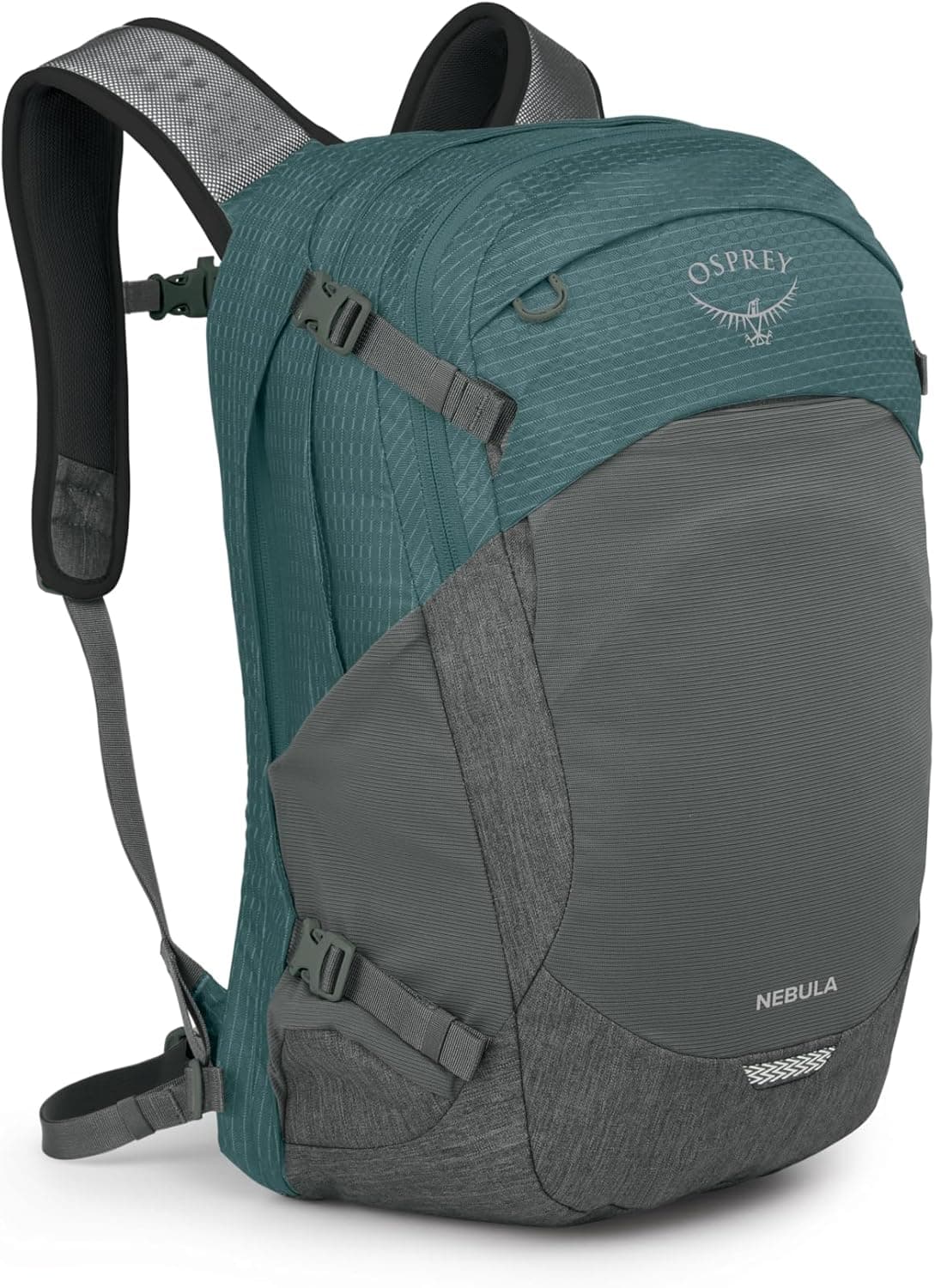
For day-to-day hauling that bleeds into weekend trips, the Osprey Nebula Commuter Backpack: Stylish and Functional has replaced three other bags for me. I used to have a work bag, a carry-on, and a dayhike pack. The Nebula just absorbs all of it. The mesh back panel actually breathes, so I don't show up to the office with a sweat stain down my spine. It handles a laptop safely but still has the compression straps and water bottle pockets you need for a Saturday scramble up a local trail. The zippers are chunky and refuse to snag.
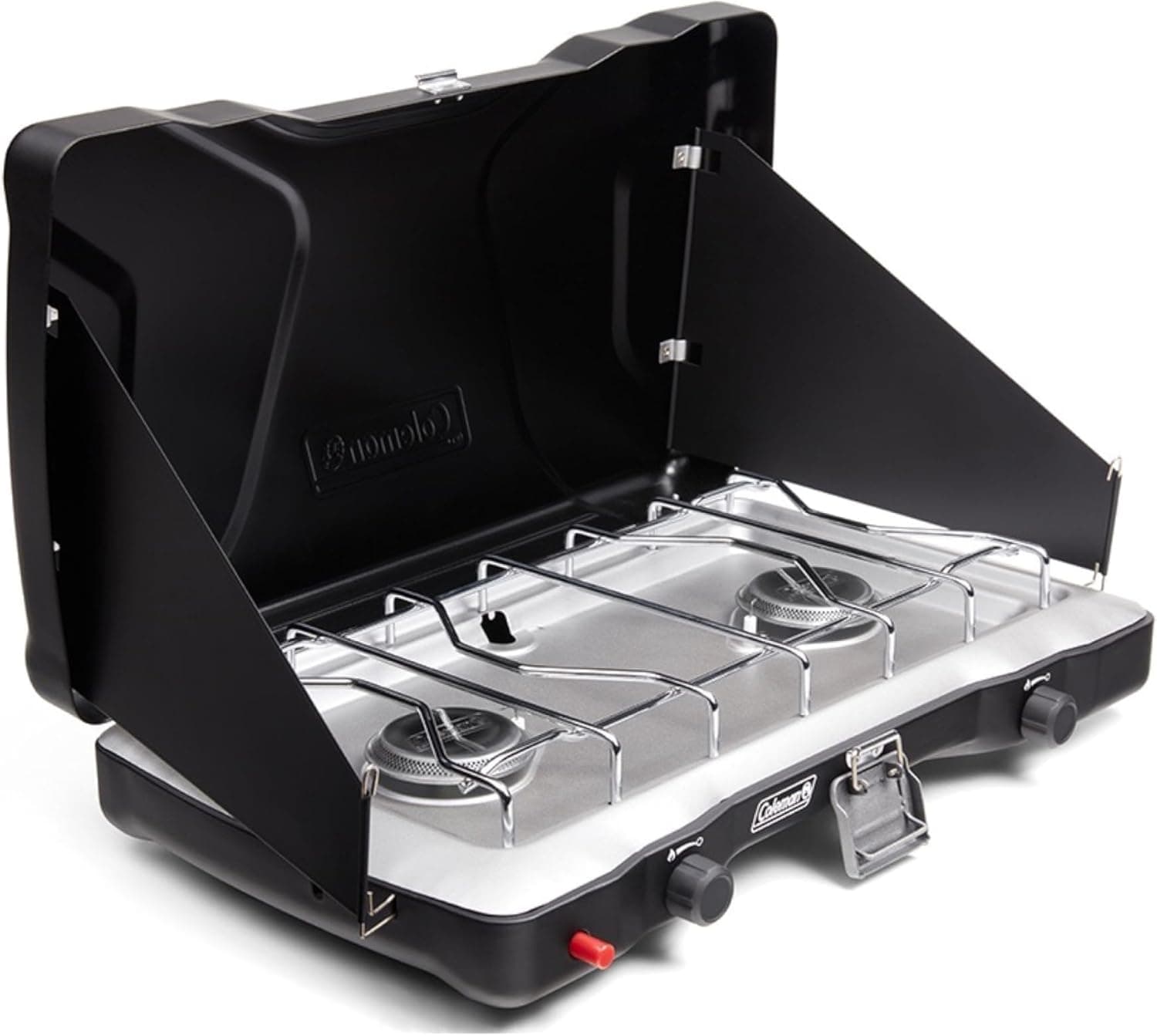
Camp cooking is where the "keep it simple" trend is most obvious. I gave up on the tiny, unstable backpacking stoves for car camping after knocking over my dinner for the third time. I switched to the Coleman Triton+ 2-Burner Portable Propane Camping Stove. It is entirely analog. The push-button ignition works every time, and the wind guards actually block the breeze coming off the lake. It simmers well enough to make eggs without turning them to rubber. It takes up a bit of trunk space, but the stability is worth the footprint. See the latest model on Amazon.
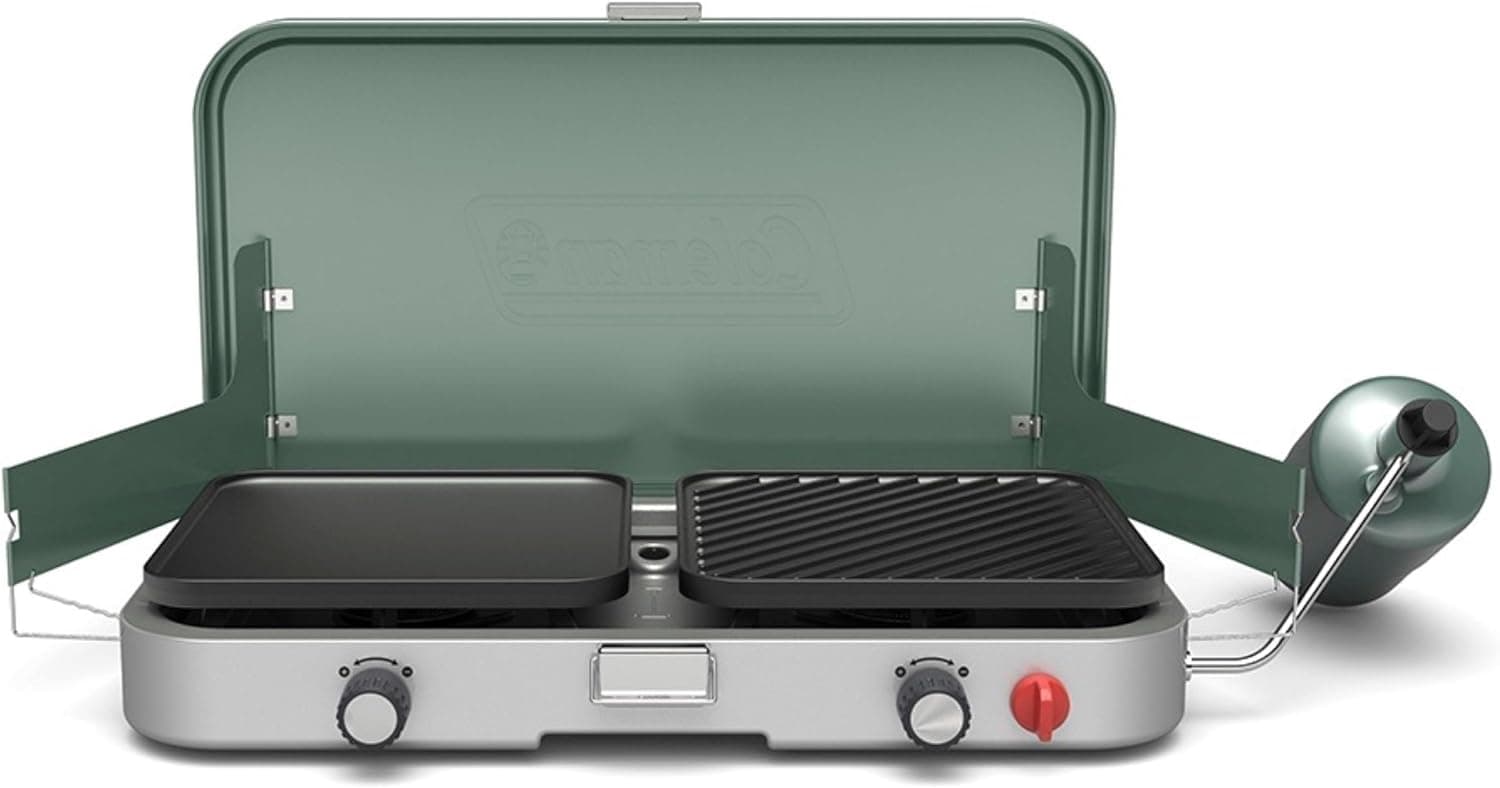
If you cook for more than two people regularly, the Coleman Cascade 3-in-1 Portable Camp Stove & Grill takes up even more room but replaces a separate grill entirely. The cast iron griddle accessory is heavy. It will absolutely weigh you down if you have to carry it far from the car. The latches can also feel a bit stiff out of the box. But for cooking pancakes and bacon for four people at a state park, it beats managing two separate flimsy pans over a tiny flame.
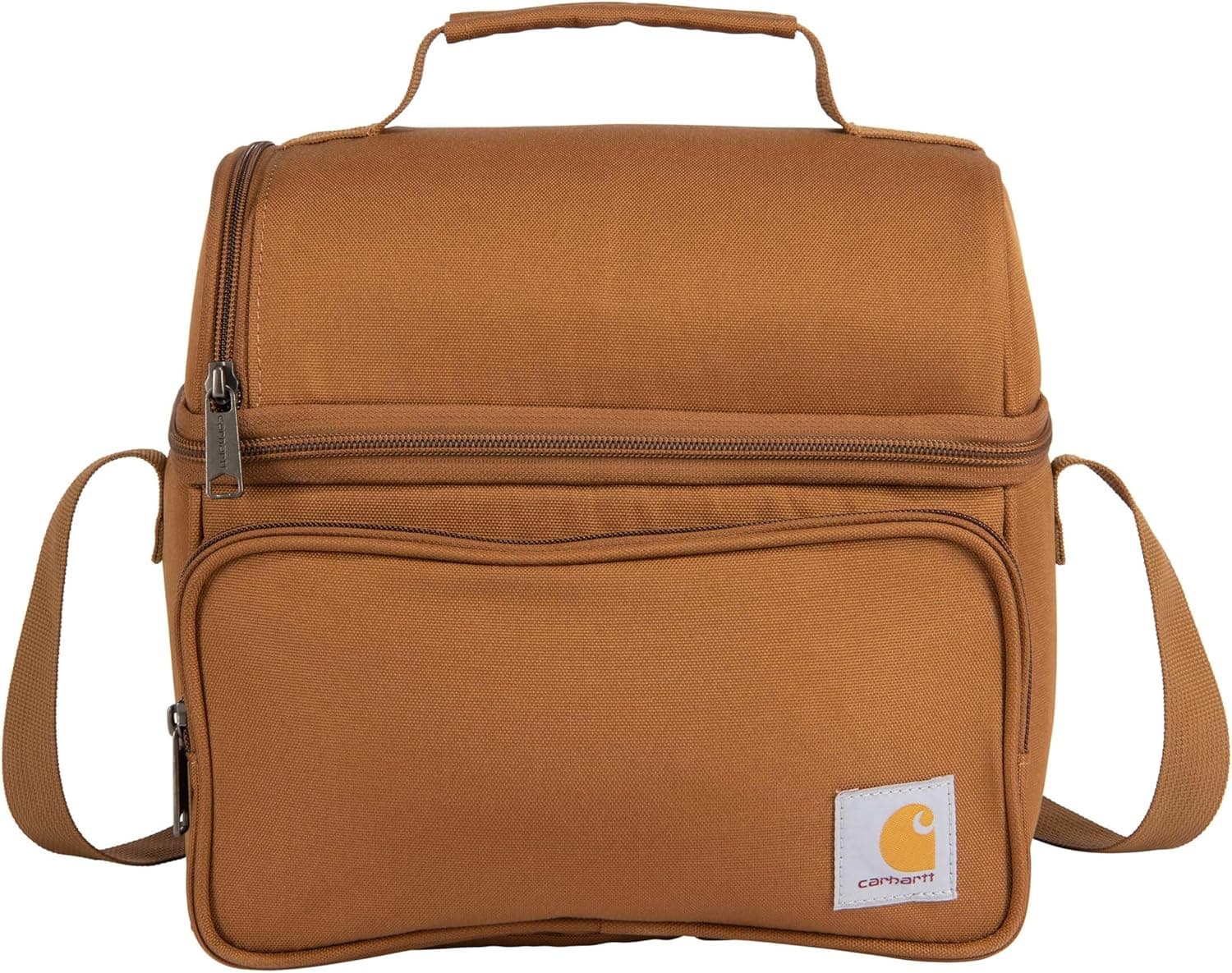
Then there is food storage. Hard coolers are great for a week off the grid, but they are a nightmare to lug to a job site or a quick afternoon fishing spot. The Carhartt Insulated Lunch Box: Rugged Soft-Shell Cooler is what I grab now. It is just treated canvas and insulation. No waterproof zippers that require special lubricant. I toss it in the dirt, throw it in the back of the truck, and hose it off when it gets gross. It keeps drinks cold for a day trip, which is all I actually need ninety percent of the time. The top handle is reinforced enough that you can load it down with cans and it won't tear at the seams.
Gimmicks you should probably ignore
A lot of marketing dollars are pushing concepts that fall apart the second you leave cell service. Here is what I am actively avoiding this year.
- App-dependent camping hardware: I saw a portable fire pit recently that required a Bluetooth connection to control the fan speed. This is a disaster waiting to happen. If your phone dies, or the app crashes, or the company stops updating the software, your expensive gear becomes a heavy paperweight. Buy things with physical knobs and switches.
- Integrated solar clothing panels: Solar backpacks and jackets with built-in charging panels sound great in a catalog. In reality, the angle of the sun is almost never right while you are moving. The panels add stiff, awkward weight to fabrics that are supposed to drape and flex. You are much better off carrying a dedicated, foldable solar panel you can angle directly at the sun while you set up camp.
- Hyper-specialized trail footwear: The push for shoes that only do one specific thing is exhausting. Approach shoes that are too stiff to hike in. Trail runners with carbon plates that feel like walking on a two-by-four on technical terrain. Unless you are competing for a podium finish, stick to a versatile trail shoe with decent lugs and a flexible rock plate. Your feet will thank you on mile ten.
- Subscription-based hardware features: Satellite messengers are essential, but the hardware market is getting messy. Some newer devices are cheap upfront but lock you into exorbitant monthly contracts even during the months you do not go outside. Worse, some brands are starting to hide basic GPS mapping features behind paywalls. Look for devices that let you pause the subscription during the off-season and give you full map access out of the box.
- Ultralight camp furniture: The race to make the lightest camp chair has resulted in products that blow into the fire at the slightest gust of wind. They also sink deep into soft dirt—leaving you balancing on two aluminum twigs. A chair that weighs two pounds but actually supports your back is a much better investment than a one-pound chair that feels like a torture device.
If you are outfitting a trip this year, stop looking at the spec sheets and look at the failure points. The person who wins in 2026 is the weekend warrior buying thick zippers, physical buttons, and gear that serves more than one purpose. Grab the Nitecore headlamp for your emergency kit and a solid two-burner stove for the trailhead, then ignore the rest of the noise. You don't need a smarter backpack. You just need gear that won't ruin your weekend.
Discover