Home Gear Trends in 2026: What to Watch
Discover
We test so you don't have to
See our buying guides→My garage currently holds a graveyard of appliances that required a firmware update just to make toast. We reached peak digital exhaustion last year. Now, the conversation around Home Gear Trends in 2026: What to Watch is entirely about things that just do their job quietly. I spent most of last winter fighting with a thermostat that thought it knew my schedule better than I did. It would drop the temperature to sixty degrees at midnight because an algorithm decided I was asleep. I wasn't. I was just reading a book. That was the breaking point for me.
Home Gear Trends in 2026: What to Watch instead of screens
Last year was dominated by aggressive connectivity. Every brand tried to cram a touchscreen and an app subscription into basic household items. I reviewed a humidifier that demanded my Wi-Fi password before it would generate a single drop of mist. It was ridiculous. The market has finally hard-corrected. People stopped buying smart gadgets because the novelty wore off and the backend servers kept shutting down, turning expensive hardware into plastic bricks.
The primary shift this year is the return to tactile, single-purpose reliability. We want physical buttons that click with a satisfying mechanical resistance. We want motors that run continuously until a human hand turns them off. The home gear market finally realized that our houses are supposed to be private sanctuaries, not IT administration projects.
This ties directly into a massive focus on passive environmental control. The outside world is loud, polluted, and wildly unpredictable. The inside of your house needs to be the exact opposite. We are moving away from active notifications and moving toward passive, physical comfort.
The air quality obsession is real
We used to rely on central HVAC systems to filter the air for the entire house. That strategy fell apart over the last few years. Wildfire smoke became a regular summer event, urban dust levels spiked, and standard fiberglass furnace filters just couldn't keep up with the volume of particulate matter.
Now, the trend is hyper-local air management. You don't try to filter a three-thousand square foot house with one machine. You aggressively filter the specific room you are currently sitting in.
I spent a lot of time testing different units because my seasonal allergies get vicious around April. I would wake up with a scratchy throat and a headache every single morning.
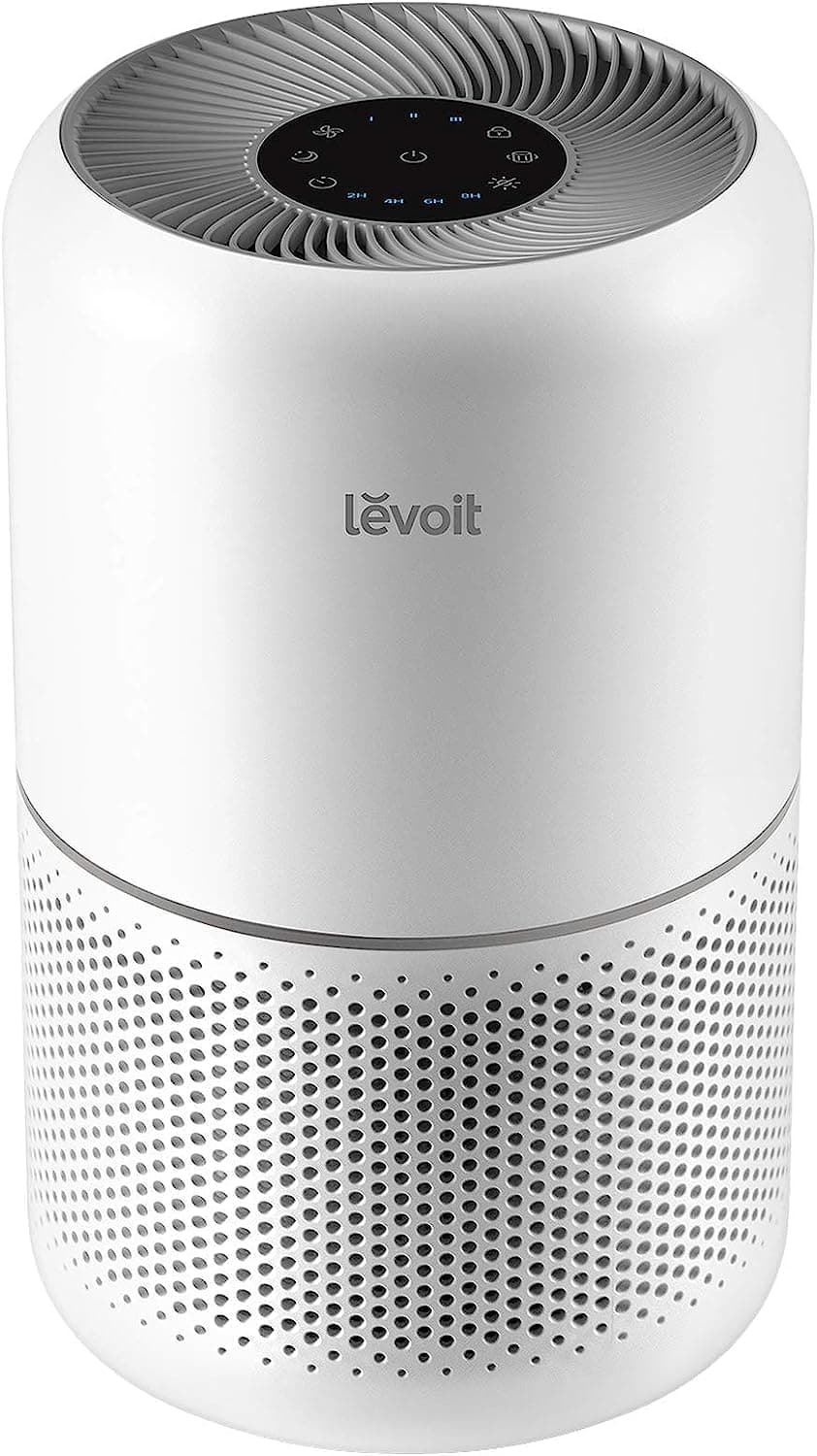
The LEVOIT Core300-P: Powerful Air Purifier for Large Spaces ended up taking permanent residence in my home office. It is a compact cylinder that sits in the corner and just hums. The motor is strong enough to cycle the air in a mid-sized room rapidly, but when you drop it down to sleep mode, it is practically silent. It traps the fine dust my dog kicks up on the rug without ever asking me to connect it to Bluetooth. Check the current price on Amazon.
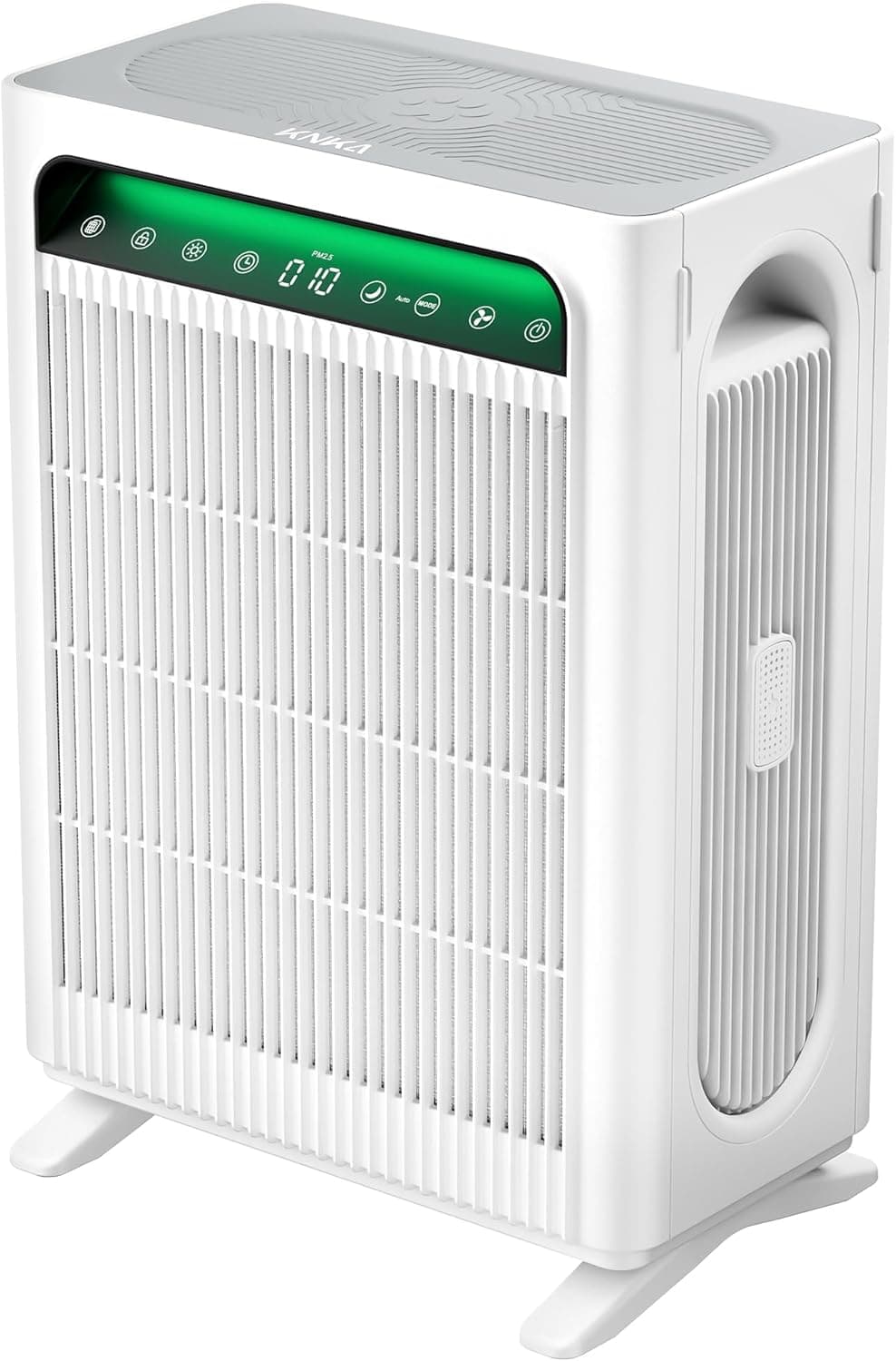
Down the hall in the main bedroom, the square footage is significantly larger and the ceilings are higher. That space required a machine with a bit more muscle. I bought the KNKA HEPA Air Purifier for Large Rooms. The digital display gives a quick air quality reading, which is surprisingly useful when I leave the windows open too long during pollen season. But the actual reason I kept this specific model is the washable pre-filter. It catches all the heavy pet hair and larger lint particles before they can clog up the expensive HEPA filter inside. That single design choice saves me from buying replacements every six weeks.
Heavy sleep over tracked sleep
Another massive shift in home gear is how we handle rest. For five years, the industry tried to sell us mattress sensors, smart rings, and wristbands that graded our sleep. I wore one for six months. Knowing you got a terrible sleep score doesn't actually help you sleep better the next night. It just makes you anxious about going to bed.
The 2026 approach is entirely about passive physical intervention. Weighted blankets are dominating the bedding market because they force your nervous system to calm down through deep touch pressure.
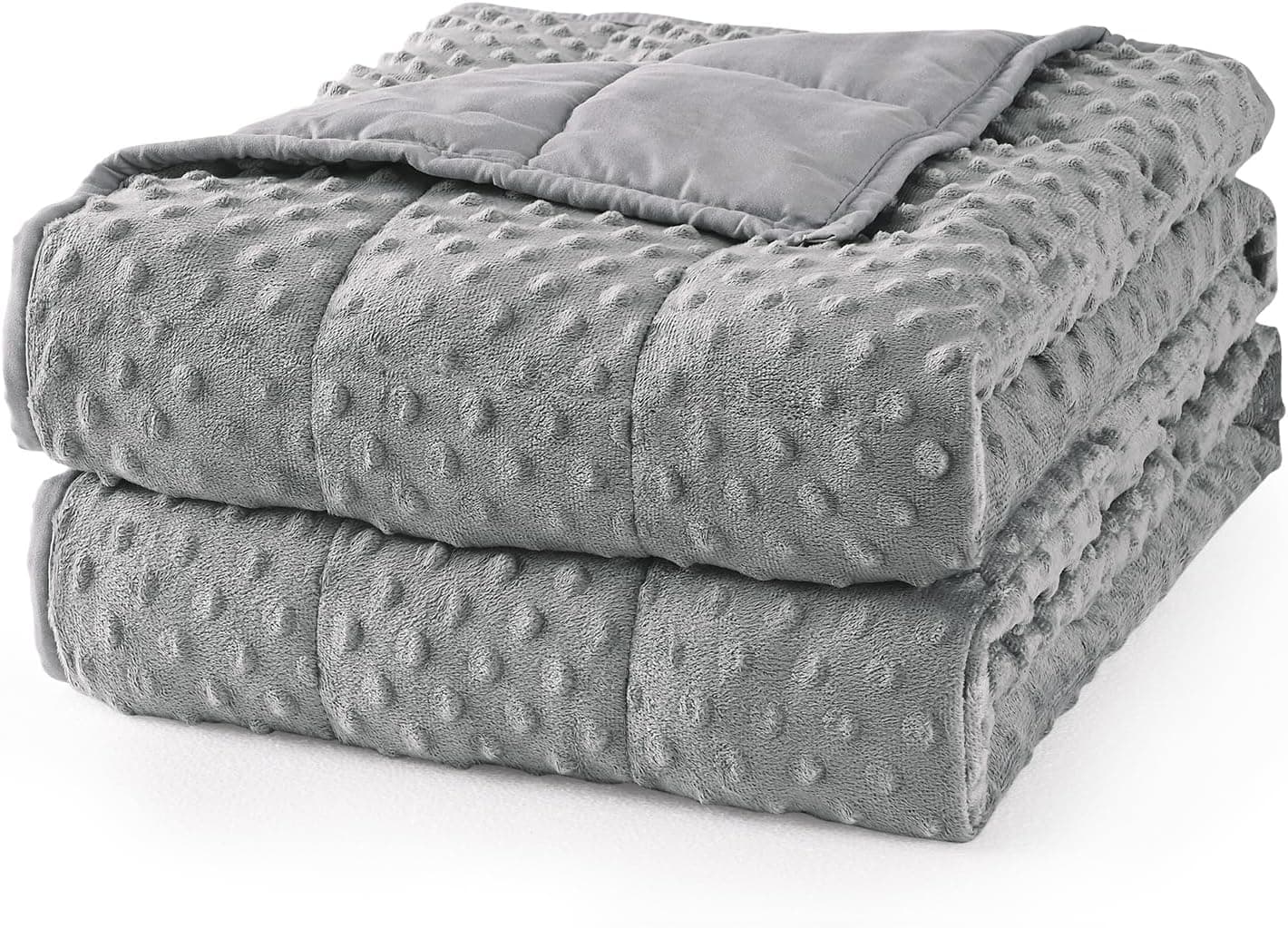
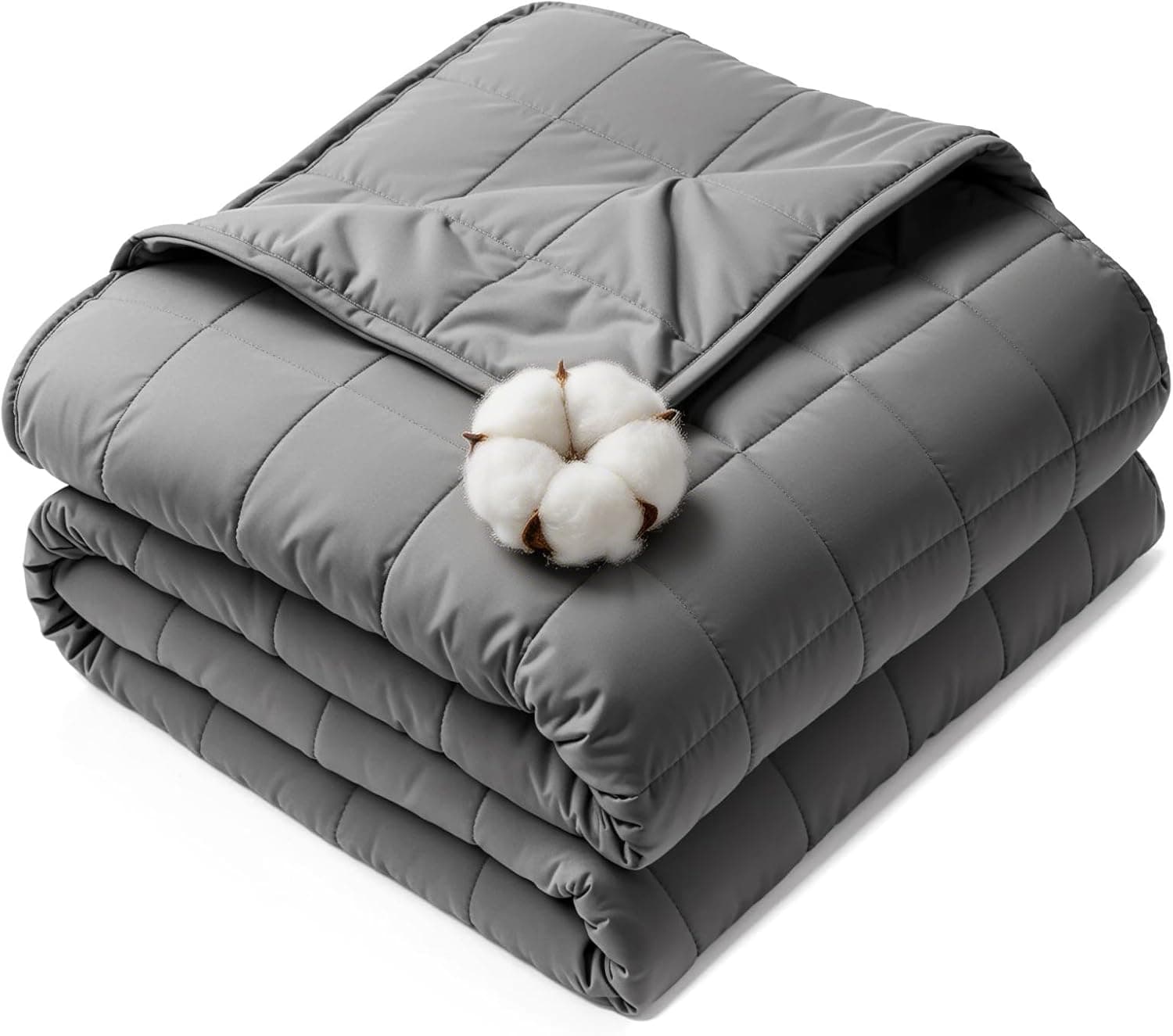
I started my experiment with the HCOIW 20lbs Weighted Blanket - Queen Size for Ultimate Comfort. Twenty pounds is a serious amount of weight. It pins you to the mattress in a way that feels incredibly secure. The first night I used it, I slept straight through my alarm. The premium glass beads distribute the weight evenly across your body, so it doesn't just bunch up awkwardly at your ankles during the night. It is heavy, machine washable, and entirely low-tech. See the latest model on Amazon.
However, my partner runs incredibly hot at night. The twenty-pound option trapped too much body heat for them, leading to frustration. We swapped their side of the bed to the Mr. Sandman 15 lbs Cooling Weighted Blanket - Queen Size. Dropping down to 15 pounds and switching to a specialized cooling fabric fixed the 3 AM night sweats immediately. You still get that grounded, secure feeling that stops you from tossing and turning, but the breathable material lets the excess heat escape into the room.
Unplugging the morning routine
The kitchen is seeing a similar rebellion against cords and screens. Counter space is premium real estate in most homes. Having six different appliances permanently plugged into the wall looks cluttered and feels restrictive.
Battery technology finally caught up to high-torque motors. Now you can buy serious kitchen tools that live out of sight in a drawer until you actually need them.
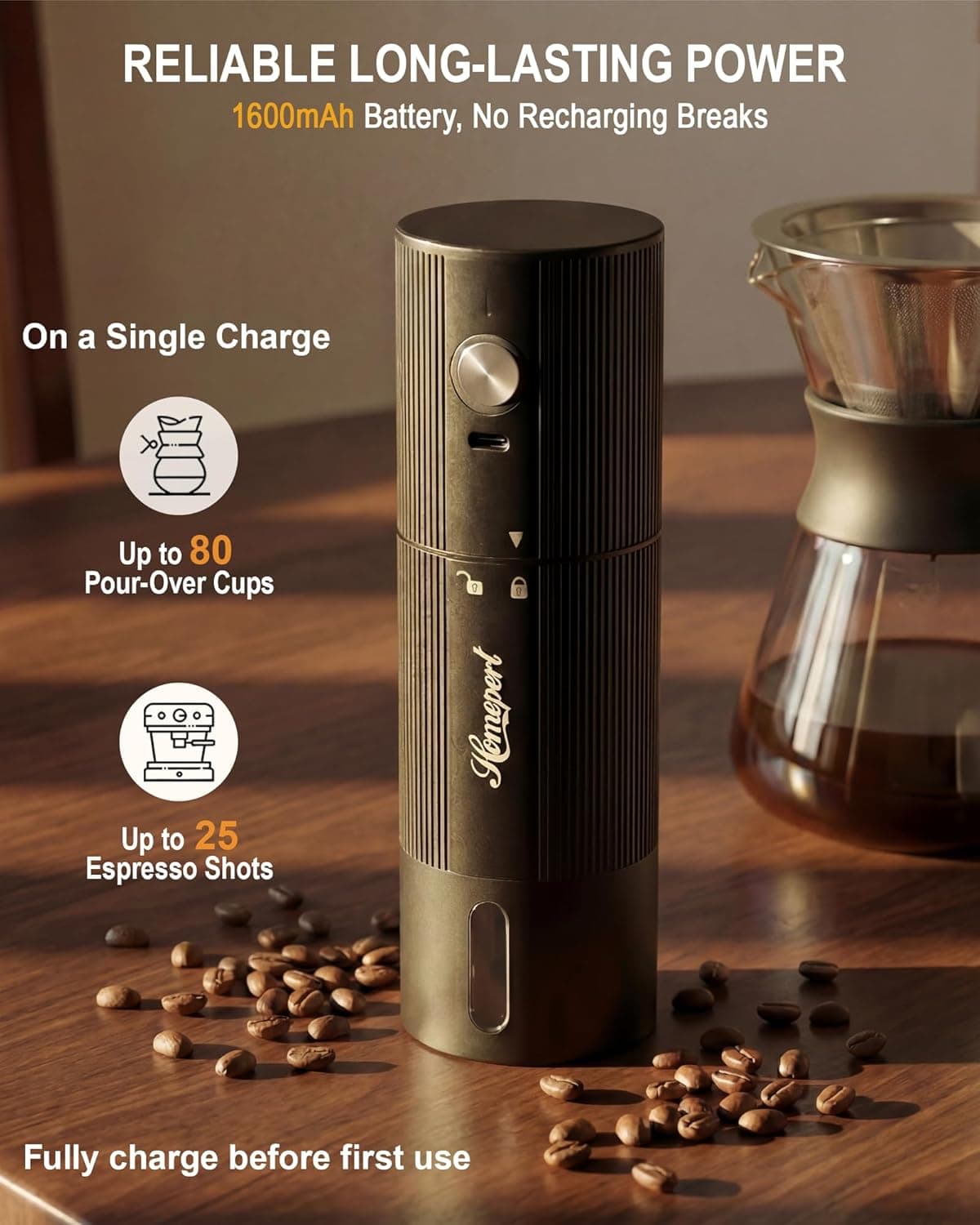
I absolutely hated the sound of my old blade coffee grinder. It sounded like a lawnmower starting up in the kitchen at six in the morning. I replaced it with the Portable Electric Coffee Grinder with Rechargeable Battery & Precision Settings. This thing uses actual stainless steel burrs, which crush the beans evenly instead of just hacking them to dust with a cheap blade. Because it runs on a rechargeable battery, I can grab it, walk out to the back porch, and grind coffee while watching the sun come up. No cords holding me to the kitchen counter. No waking up the whole house with a screeching motor. It holds a charge for weeks of daily use.
Hype traps to actively avoid
A lot of companies are still trying to push outdated tech concepts to inflate their profit margins. Don't fall for the marketing buzzwords. Here is what you should skip entirely this year.
- Subscription-locked filter replacements: Some brands are now putting DRM chips in their air and water filters. If you buy a cheaper generic replacement online, the machine reads the missing chip, throws an error code, and refuses to run. Avoid these brands entirely. You own the hardware—you should be able to choose the filter.
- Wi-Fi enabled coffee makers: You still have to physically walk into the kitchen to put a mug under the spout and load the grounds. Turning the machine on from your phone while you are still in bed saves exactly zero time. It just introduces a massive security vulnerability to your home network for no practical benefit.
- Multi-function air washers: Machines that claim to purify, humidify, and cool the room usually do all three terribly. The water tank gets moldy quickly, the fan is too weak to actually cool the space, and the filter is too small to clean the air effectively. Buy a dedicated purifier and a separate humidifier.
- Computers inside your mattress: Putting electronics inside a bed is a fundamentally terrible idea. Mattresses should last ten years or more. The sensors inside a smart bed will be obsolete and unsupported in three. You will be left sleeping on expensive, outdated, broken hardware.
If you live in an older house with drafts, dust, and thin walls, stop trying to fix your environment with an app. Buy a heavy blanket that pins you to the mattress and a dumb, powerful air purifier for the corner of your bedroom. Get a cordless grinder that doesn't wake the neighbors. You will sleep better and live quieter than you have in a decade.
Discover