Common Outdoor Sports Gear Problems and How to Fix Them
Discover
We test so you don't have to
See our buying guides→My tent zipper blew out at 2 AM during a rainstorm in the Cascades. I spent the next four hours shivering in a damp sleeping bag while holding the rainfly shut with one frozen hand. Figuring out common outdoor sports gear problems and how to fix them usually happens exactly like this. You are in the dark, cold, and desperate for a solution that does not involve a sewing machine.
You do not need to be a master tailor or a small engine mechanic to keep your equipment running. Most gear fails in predictable ways. Zippers derail, fabrics tear, stove jets clog, and boots lose their soles. Knowing how to handle these failures in the field and at home will save you from throwing away expensive equipment over a minor flaw.
Real-World Common Outdoor Sports Gear Problems and How to Fix Them
Tents and sleeping bag zippers The most frequent failure on any trip is a zipper that separates right after you pull it shut. The teeth just refuse to lock together. People usually assume the zipper is dead and throw the item away. The actual problem is almost always the metal slider. Over time, pulling on the zipper stretches the metal slider open just a fraction of a millimeter. It no longer presses the teeth together tightly enough to interlock.
The fix takes ten seconds. Take a pair of needle-nose pliers and gently pinch the back end of the slider. You want to squeeze the top and bottom plates slightly closer together. Do this on both sides of the slider. Pull it down and try again. If the zipper is stuck completely, do not force it. Rub a plain wax candle or a tube of lip balm along the teeth to lubricate the track.
Delaminating seams and torn fabric Waking up in a puddle because your tent floor leaked is miserable. Waterproof fabrics rely on polyurethane tape applied over the stitched seams. After a few years in hot garages or damp basements, this tape dries out and peels off in flaky strips.
You cannot fix this by spraying the tent with heavy water repellent. You have to remove the old tape. Scrub the loose flakes off with a stiff brush and some rubbing alcohol. Once the seam is clean and dry, apply a thin bead of liquid seam sealer directly to the stitching. I use a small brush to work it into the thread holes. Let it cure for a full twenty-four hours in a well-ventilated area. If you get a tear in your rain jacket from a stray branch, skip the duct tape. Clean the area and apply a patch of Tenacious Tape. Round the corners of the tape with scissors before applying it so the edges do not catch on brush and peel.
Sputtering camp stoves You turn the gas dial, strike a match, and get a weak, yellow flame that barely warms your coffee. A sputtering stove is usually suffering from a clogged jet or a compromised fuel regulator. Boiling over a pot of pasta water leaves starchy residue right inside the burner rings.
Take the stove apart when it cools down. Use a wire brush to scrub the burner rings. For the tiny gas jet hole, use a thin piece of wire to clear out any carbon buildup. A guitar string works perfectly for this. If the flame is still weak, your regulator might be failing. Regulators get dropped in the dirt and cross-threaded onto propane bottles constantly. Wipe the threads clean before attaching your fuel. If the brass is visibly dented, buy a replacement regulator from the manufacturer.
Flapping boot soles Hiking boots endure massive temperature swings and constant flexing. Eventually, the factory glue gives up, and the front rubber toe cap or the entire sole starts flapping like a mouth.
Do not use superglue. Cyanoacrylate dries hard and brittle, which means it will crack and fail the second you take a step. You need a flexible urethane adhesive like Shoe Goo or Barge Cement. The trick is surface preparation. Clean both sides of the separation with alcohol. Sandpaper the rubber slightly to give the glue something to grip. Apply a thin layer of adhesive to both surfaces and wait ten minutes until it feels tacky. Then press them together and wrap the boot tightly in athletic tape or paracord overnight.
Hydration bladder leaks and mold Water reservoirs are notorious for failing at the worst moments. The bite valve gets chewed up and drips down your shirt all day, or the O-ring connecting the hose to the bag dries out and floods your backpack.
If your bite valve is leaking, pull it off and check the internal rubber slit. Sometimes it just needs to be rotated. If the O-ring is leaking, smear a tiny drop of food-grade silicone grease on the rubber to rehydrate it. As for mold inside the hose, do not use bleach. It ruins the plastic taste forever. Buy a cheap hose brush, scrub it with baking soda and warm water, and store the empty bladder in your freezer between trips so bacteria cannot grow.
Splintered tent poles High winds will snap cheap fiberglass or thin aluminum tent poles. You hear a loud crack, and suddenly your shelter collapses. Never throw away the metal repair sleeve that comes with most new tents. If a pole snaps, slide the repair sleeve over the break and wrap the ends tightly with athletic tape to hold it in place. If you lost the sleeve, you can improvise a splint using a metal tent stake and a heavy wrap of repair tape. It will hold the tension long enough to get you through the weekend.
Gear that actually holds up to abuse
I eventually got tired of constantly repairing flimsy equipment. I started swapping out my fussy, ultralight gear for items that prioritize durability over saving a few ounces.
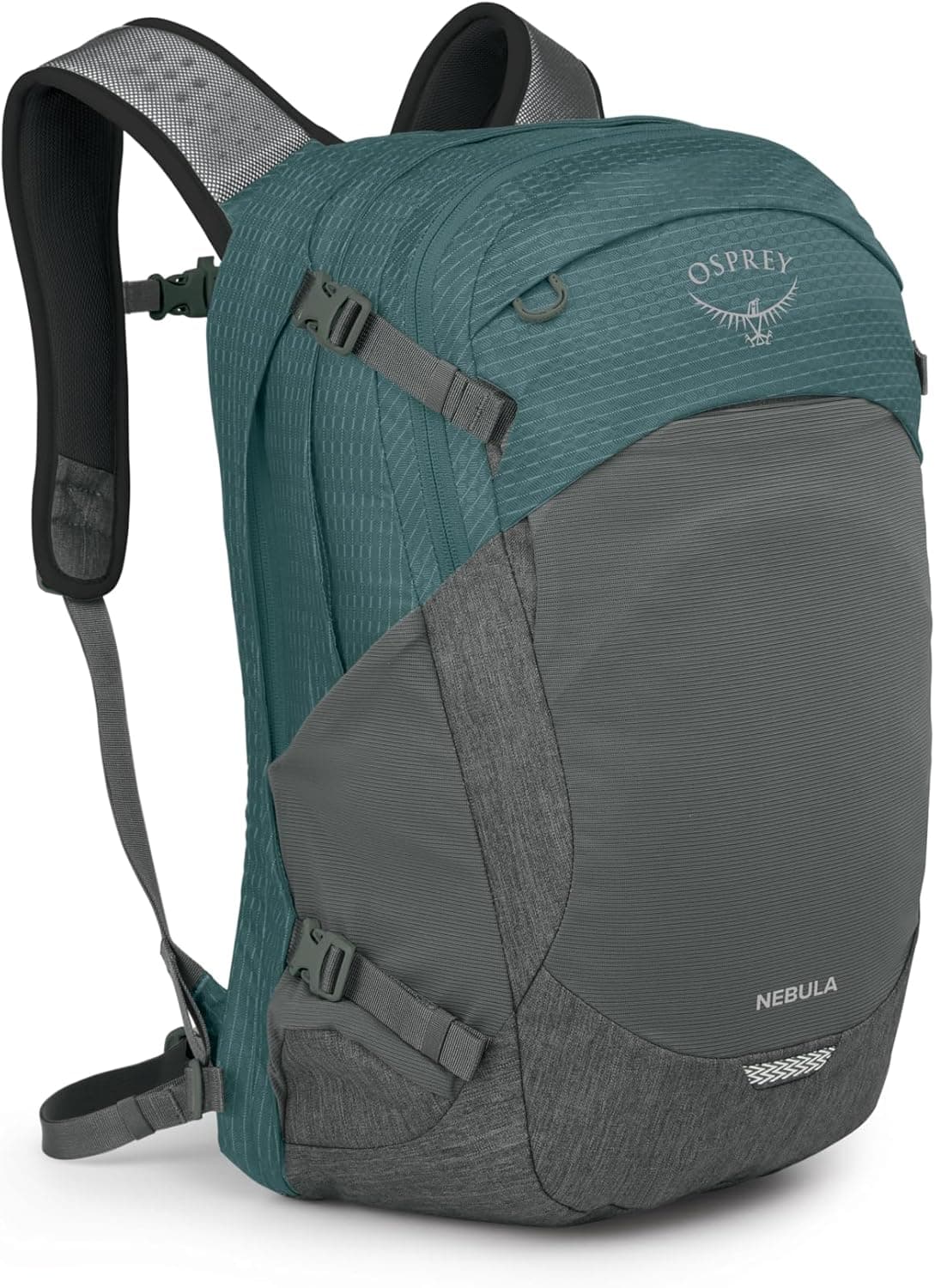
- Osprey Nebula Commuter Backpack: Stylish and Functional. I use this pack for heavy travel and hauling gear to the crag. The zippers are massive YKK models that refuse to derail even when I overpack the main compartment with bulky layers and heavy water bottles. The fabric resists abrasion from being shoved under airline seats and dragged across rocky dirt. Check the current price on Amazon.
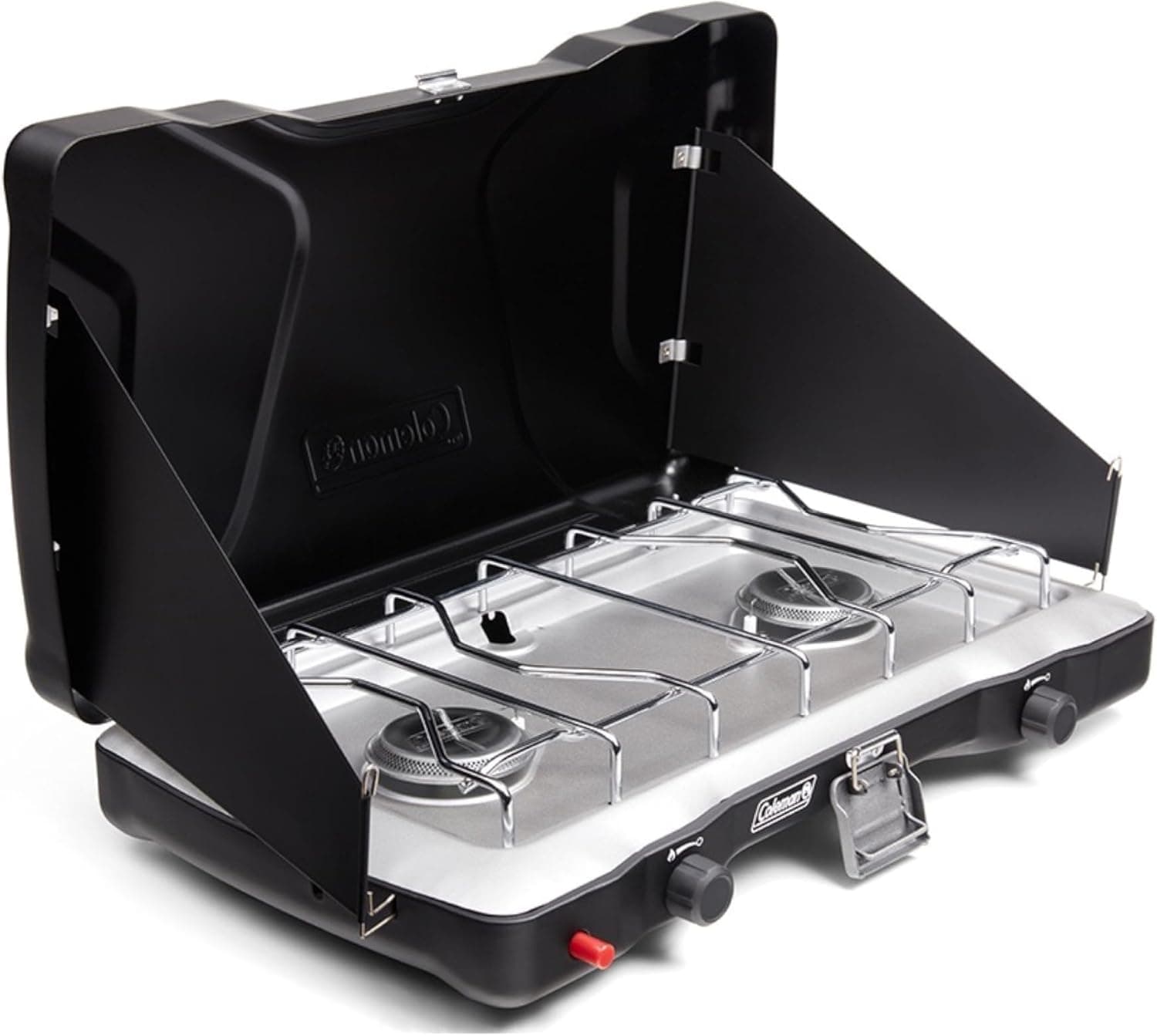
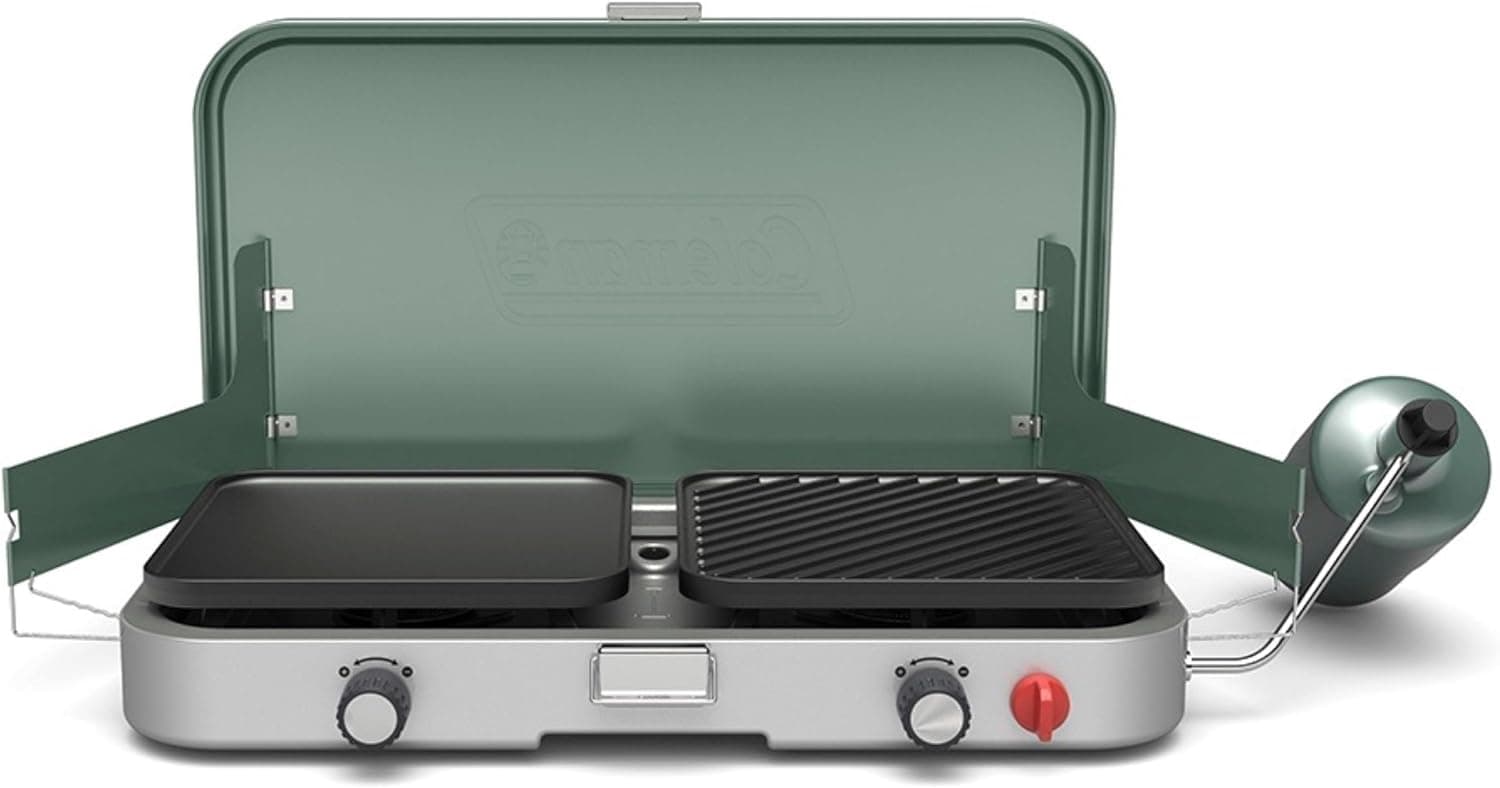
- Coleman Triton+ 2-Burner Portable Propane Camping Stove. After fighting with delicate backpacking stoves that clog easily, I went back to this heavy brick for car camping. The jets are large enough to clean without special tools, and the built-in ignition actually sparks on the first try. It is not light, but the wind guards keep the flame alive and it boils water reliably in freezing weather.
- Nitecore NU20: Ultralight 360 Lumen Rechargeable Headlamp. Alkaline battery corrosion ruined three of my previous headlamps. This unit is USB-C rechargeable and weighs practically nothing. I just plug it into my power bank during the day. The 360-lumen output is more than enough for setting up a tent in the pitch black, and the battery holds up well in cold weather if you keep it somewhat protected against your chest before use.
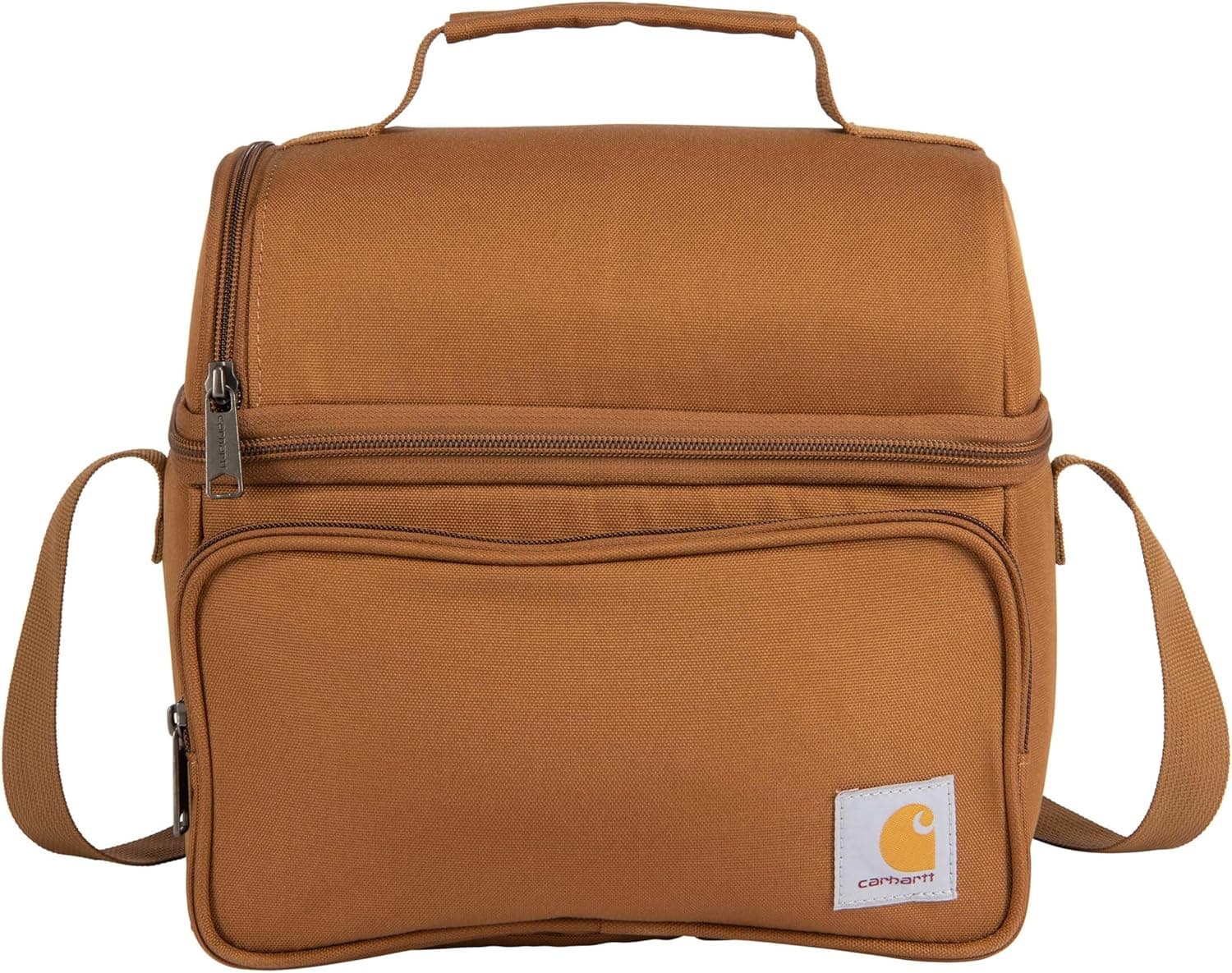
- Carhartt Insulated Lunch Box: Rugged Soft-Shell Cooler. Hard coolers often suffer from broken plastic hinges and lost drain plugs. I use this soft cooler for day trips and short excursions. The canvas shell takes a severe beating in the back of a truck without cracking, and the zipper track is thick enough to handle dirt and grit without binding up. It holds ice packs long enough for a full day outside. Check the current price on Amazon.
Repairs that waste your time and money
Some fixes sound great in theory but fail miserably in practice. I have wasted plenty of cash trying to salvage gear with the wrong methods.
- Universal zipper repair kits: Hardware stores sell boxes of assorted zipper sliders marketed as a universal fix. They almost never have the exact millimeter size or track type you need. You end up with twenty useless metal sliders and a jacket that still will not close. Identify your specific zipper brand and size and order the exact replacement.
- Spray-on silicone waterproofing: Spraying an entire tent with aerosol water repellent is a messy, temporary band-aid. It does nothing to fix actual leaks, which almost always originate at the seams. It just makes the fabric sticky and attracts dirt. Spend your time sealing the inside seams instead.
- Cheap bulk alkaline batteries: Buying a massive pack of discount batteries for your headlamps and GPS units is a mistake. They drain incredibly fast in cold temperatures and are notorious for leaking battery acid inside your electronics during storage. Stick to lithium batteries for winter use or buy dedicated rechargeable devices.
- Duct tape for fabric repairs: Everyone reaches for duct tape when a sleeping bag tears. It works for about an hour. Then the adhesive warms up, turns to sludge, and the tape slides off, leaving a permanent sticky residue on your expensive down bag. Spend a few dollars on actual fabric repair tape.
Routine maintenance saves your trips
The best way to handle equipment failure is to prevent it from happening in the dirt. Most problems start long before you pack your car.
- Storing tents while wet: This is the fastest way to destroy waterproof coatings. Mildew eats through polyurethane tape and leaves a permanent smell. Always hang your tent in a garage or spare room until it is bone dry before stuffing it back into its sack.
- Leaving batteries in stored electronics: If you are putting your headlamp or avalanche beacon away for the summer, take the batteries out. A two-cent battery leak will destroy a three-hundred-dollar piece of safety equipment.
- Ignoring dirty zippers: Sand and grit act like sandpaper on zipper teeth. After a trip to the desert or the beach, hose down your backpacks and tents. Take an old toothbrush and scrub the zipper tracks to remove the invisible grit that grinds down the metal sliders.
If you are tired of throwing away expensive jackets and tents because of a single point of failure, buy a cheap pair of needle-nose pliers and a tube of seam sealer. Keep them in your gear bin. Fixing your own equipment saves a massive amount of cash and ensures you actually understand how your gear works when things go wrong in the woods.
Discover