Electronics Trends in 2026: What to Watch
Discover
We test so you don't have to
See our buying guides→My garage is currently a graveyard of abandoned smart home hubs that promised to automate my life three years ago. I spent half of last weekend trying to figure out which proprietary app controlled a single lightbulb in my hallway because the original company went bankrupt and shut down their servers. If you want a realistic look at Electronics Trends in 2026: What to Watch, you have to ignore the flashy press releases from tech conventions and look at what people are actually keeping plugged in. We are finally moving past the era of connecting every single appliance to the internet just because an engineer figured out how to fit a Wi-Fi chip inside a coffee grinder. Consumers are frustrated, wallets are tighter, and the focus has shifted entirely toward utility, longevity, and hardware that actually respects your time.
Electronics Trends in 2026: What to Watch (and what died last year)
Last year was defined by software subscriptions creeping into physical hardware. Companies tried to charge us monthly fees just to use the heated seats in our cars, the advanced tracking on our vacuums, or the high-resolution output on our security cameras. The backlash was severe enough that 2026 is shaping up to be the year of hardware ownership. You buy the gadget, you own the features. It sounds basic, but this is a massive course correction away from the rental economy.
The other major shift is a move away from fragile cloud ecosystems. Gadget innovations are pivoting hard toward resilience. People are tired of their entire living room setup breaking because one router went offline or a server in another country shut down for maintenance. Local control is becoming a standard feature rather than a niche request for tech forum power users. We are seeing smart home devices that process voice commands directly on the internal chip rather than sending audio files to a server farm. Your lights should turn on even if your internet service provider drops the ball.
Alongside local control, we are seeing a massive spike in modularity and repairability. European Union regulations forced the hand of major smartphone manufacturers to bring back replaceable batteries. That design philosophy is now bleeding into laptops, tablets, and audio gear. If a screen cracks or a battery degrades, you order a replacement part and grab a screwdriver. You do not throw the whole machine into a landfill. Consumers are actively rejecting sealed glass slabs that cost a fortune to fix.
The Shift to Personal Power Grids
A few years ago, buying a massive lithium battery was something you only did if you owned an RV or spent your weekends off-roading in the desert. Now, it is just standard apartment prep. Grid instability, rolling blackouts, and extreme weather events have pushed portable power from a luxury camping accessory to a household necessity. We treat power like data backups now—you need a local copy.
This year, the focus is entirely on charging speed and cycle life. Older lithium-ion models degraded rapidly after a few hundred charges, making them a poor long-term investment for emergency prep. The current standard relies on LiFePO4 chemistry. This basically means you can drain and recharge the unit every single day for a decade before noticing a drop in capacity. Safety has also improved, as these newer batteries run cooler and are far less prone to thermal issues when pushed to their limits.
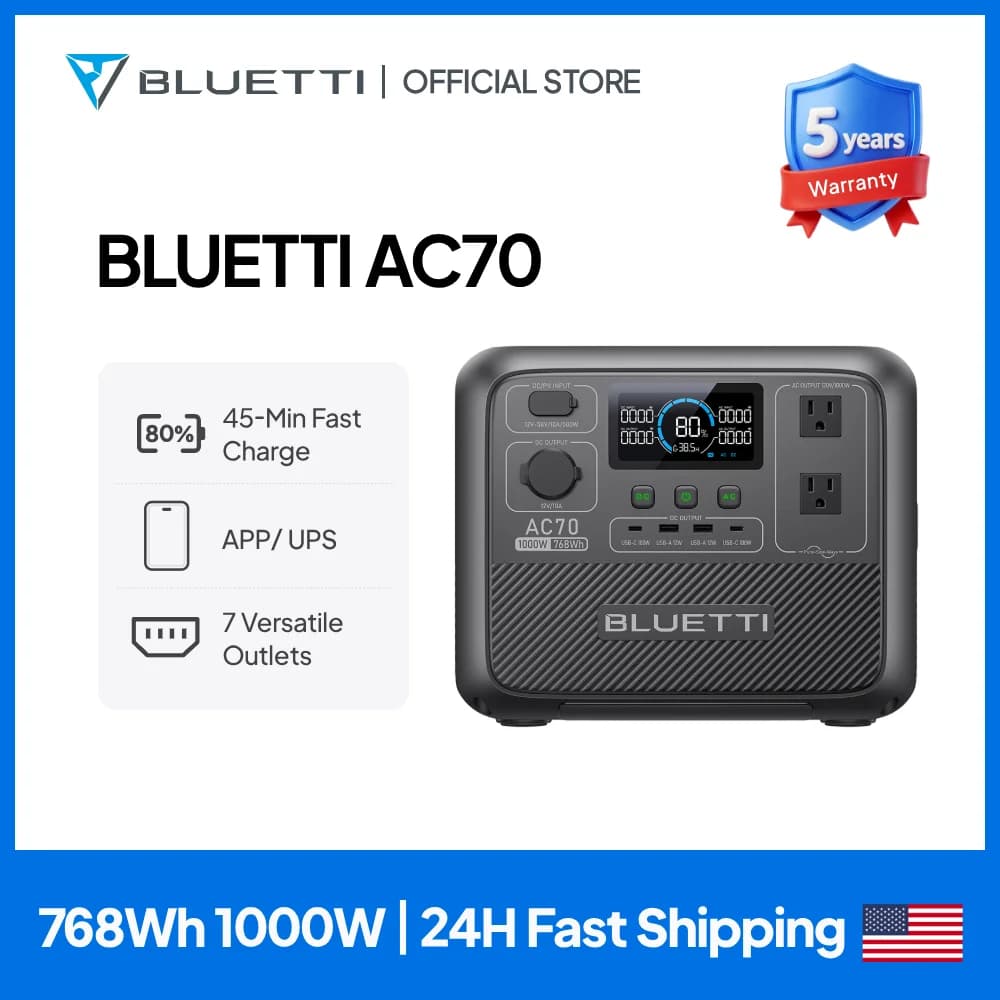
I keep a BLUETTI AC70 Portable Power Station tucked under my desk. It runs my router, monitor, and laptop during summer brownouts without skipping a beat. It hits that sweet spot of being light enough to carry to the kitchen to run a coffee maker, but beefy enough to keep the home office alive for a full workday. The handles are actually comfortable, which is surprisingly rare for these heavy boxes. See the latest model on AliExpress if you need a reliable mid-tier backup for your electronics.
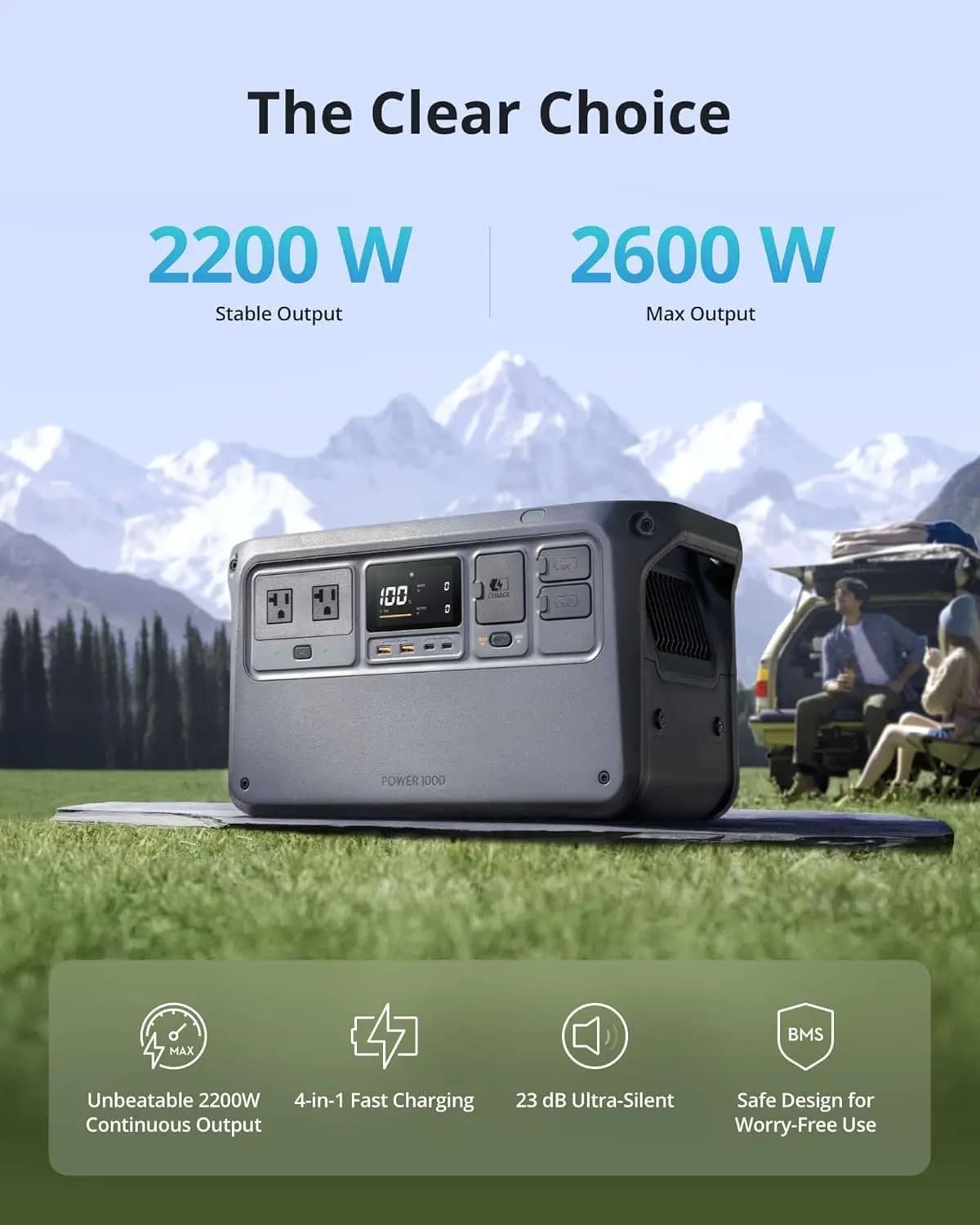
For those needing a bit more raw capacity without spending a premium, the generic market has gotten surprisingly capable. A 1000 Portable Power Station - 1024Wh Battery provides a massive amount of juice for around three hundred bucks. It lacks the polished app interface of the big brand names, but it delivers raw AC output when the lights go out. I use one to power my heavy garage tools where I do not want to run a thick extension cord across the wet yard. It is heavy, utilitarian, and does exactly what I need it to do without asking for a firmware update.
Displays and Daily Utility Tech
The remote work hangover has settled into a permanent hybrid reality, completely changing how we buy screens. Nobody wants to be tethered to a massive desktop setup in a spare bedroom, but working off a single 13-inch laptop screen at a kitchen island is miserable for your posture and your productivity.
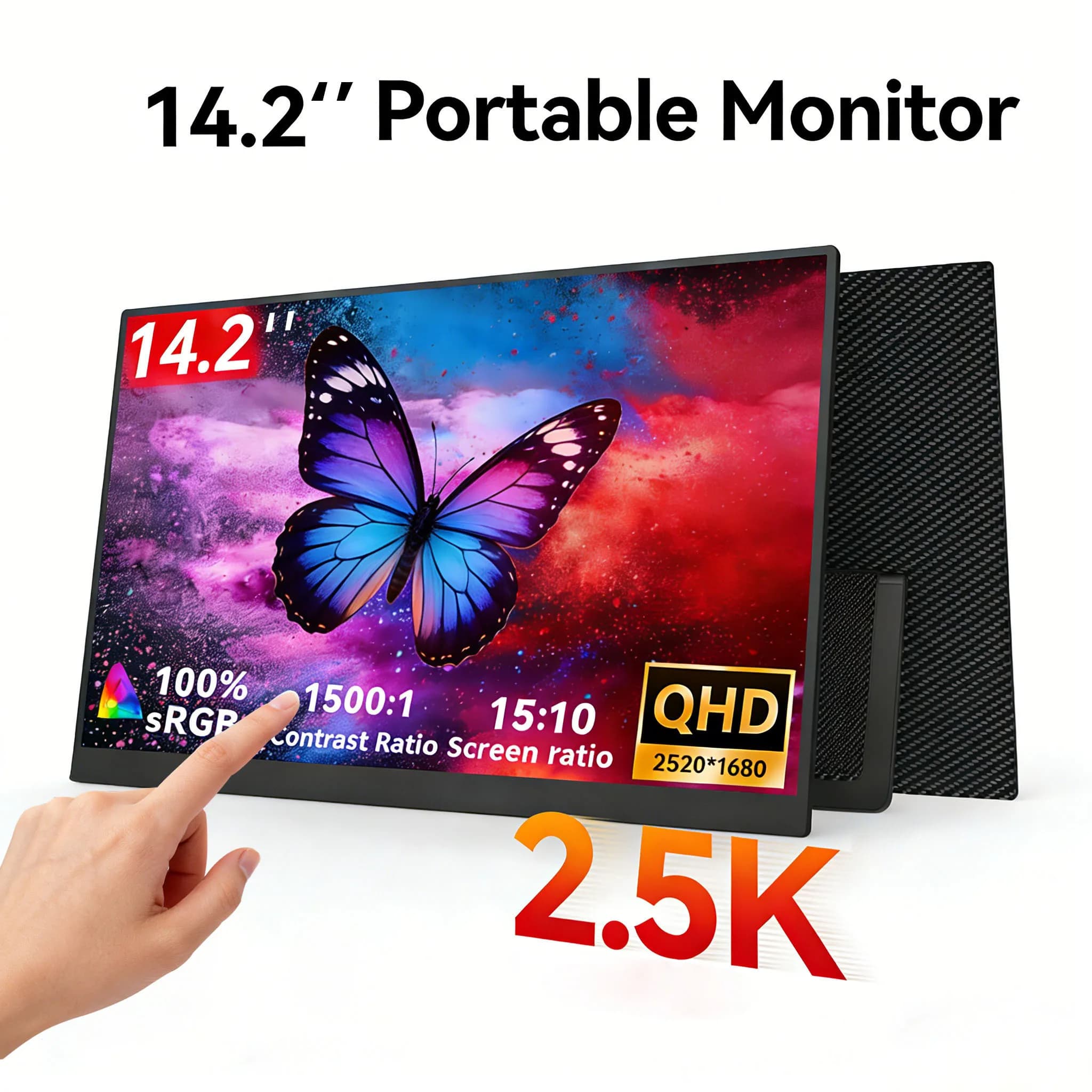
Portable monitors have shifted from clunky, dim plastic slabs to genuinely excellent secondary displays. I recently picked up a 14.2 Inch Portable Touch Monitor – 2.5K QHD Display. It pulls power and video through a single USB-C cable. I can throw it in my backpack, set up at a coffee shop, and immediately have a dual-screen editing station. Check the current price on Amazon to see if it fits your travel setup. The touch functionality is incredibly responsive for scrubbing through video timelines or signing PDF documents on the road. The color accuracy actually matches my main laptop, which used to be a major issue with cheap external screens that washed out all the contrast.
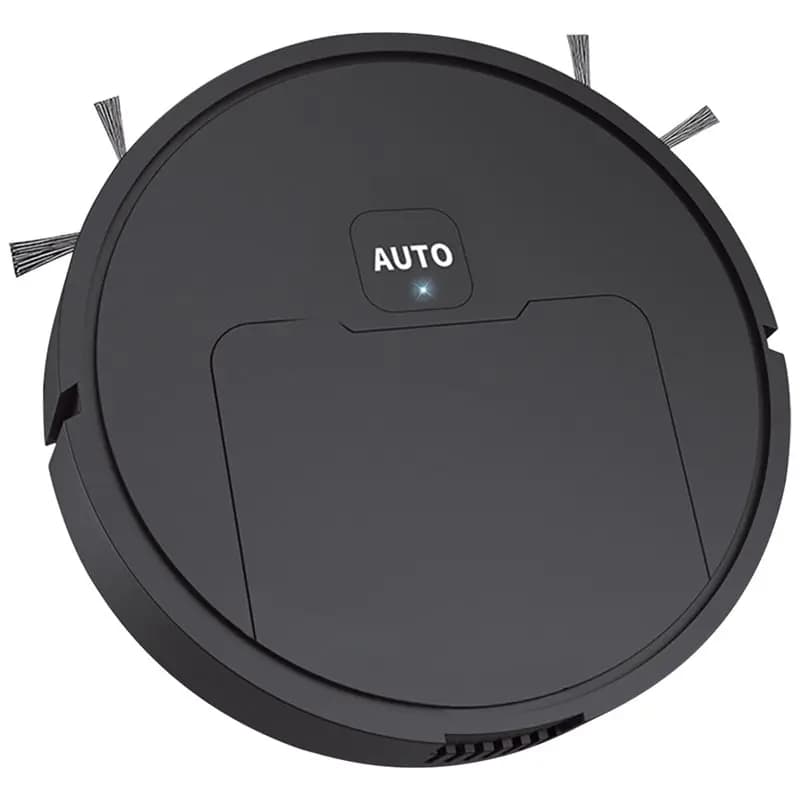
On the cheaper end of the spectrum, the sheer volume of ultra-budget electronics continues to flood the market. Some of it is immediate e-waste, but some of it serves a very specific, disposable purpose. Take the A65Z Sweeper Robot Vacuum Cleaner. For roughly the price of a fast-food lunch, you get a dumb, random-bounce sweeper. It will not map your house. It will not empty itself into a pristine docking station. But I threw one in my dusty basement woodworking shop, and it happily pushes sawdust and stray screws around until the battery dies. It gets stuck on extension cords constantly, but for the price, I do not care. Sometimes you just need a cheap motor with a brush, not a highly sensitive navigation system that freaks out over a shadow.
Similarly, ultra-cheap air treatment gadgets like the Compact Air Negative Anion Generator Ionizer by [Brand] are popping up everywhere. I plugged one into my car's 12V socket just to see what a one-dollar ionizer actually does. It emits a faint ozone smell and arguably tackles stale gym bag odors left in the backseat, though I would not rely on it for serious air purification during allergy season. It is a prime example of micro-electronics becoming so cheap they are basically impulse buys at the checkout counter, serving a tiny niche without a massive investment.
Hardware to Skip Completely This Year
Not every trend is worth following. The tech industry is desperate to find new recurring revenue streams, and several of their current experiments are openly hostile to the people actually buying the gear. Keep your wallet closed when you see these specific red flags in product listings.
- Hardware locked behind paywalls: We are seeing a flood of devices featuring built-in assistant buttons. Most of these require a monthly subscription to actually process your requests. If a device relies on a cloud server to do basic tasks like sorting local files or adjusting audio profiles, skip it. When the company inevitably pivots or shuts down the server, you own a useless piece of plastic.
- Proprietary fast-charging ecosystems: USB-C won the charging war. Any company still trying to force you to use their specific cable and charging brick to get decent charging speeds is living in the past. If a laptop, phone, or power station cannot pull a fast charge from a standard high-wattage power delivery charger, leave it on the shelf.
- Wi-Fi dependent home appliances: Do not buy a washing machine or a refrigerator that requires an app setup to unlock certain wash cycles or temperature controls. The companion apps are almost always abandoned by the manufacturer within three years, leaving you unable to change basic settings. Buy appliances with physical buttons and dials.
- Laptops with soldered memory: The push for laptops thinner than a pencil has resulted in machines that cannot be upgraded. Software demands are heavy and web browsers eat memory for breakfast. Buying a machine with 8GB of non-upgradable memory is a guaranteed way to need a new computer in eighteen months. Demand repairable, upgradable internals so your machine can grow with your workload.
If you are a remote worker staring down an aging home office setup and wondering where to put your money this year, ignore the smart home hype. Invest in a solid LiFePO4 power station to keep your critical gear running through grid hiccups, and grab a high-resolution portable monitor to make your workspace flexible. You will get infinitely more daily value out of hardware that keeps you online and productive than you ever will from a connected toaster that demands an internet connection just to brown your bagel.
Discover
![Compact Air Negative Anion Generator Ionizer by [Brand]](/_next/image?url=https%3A%2F%2Fcdn.goodkept.com%2Fproducts%2F2318b8fd64053e607558dec2309d45c6.jpg&w=3840&q=75)