Common Camping Gear Problems and How to Fix Them
Discover
We test so you don't have to
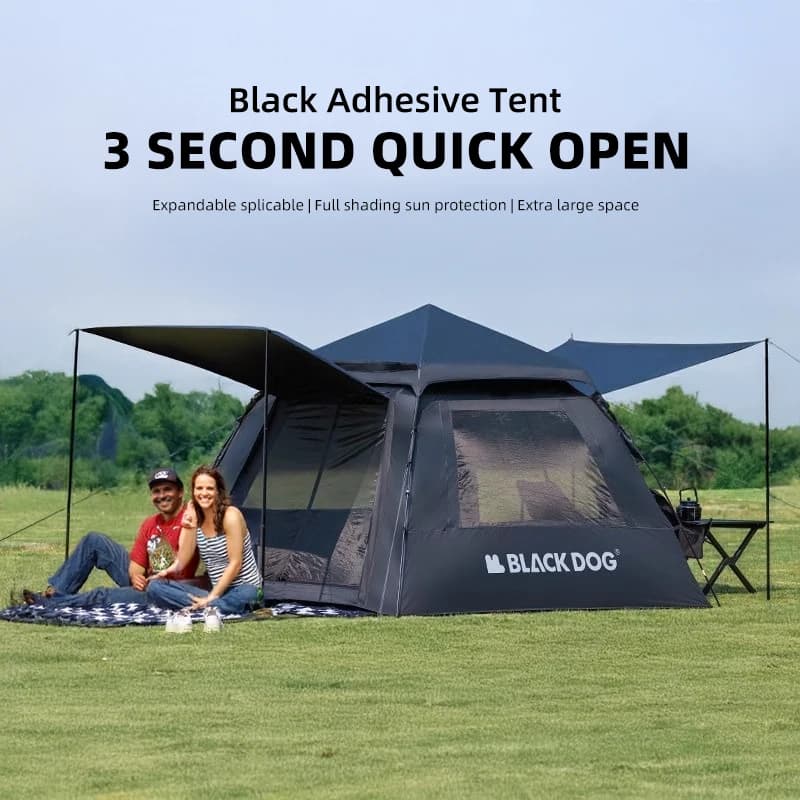
See our buying guides→Camping trips are a rite of passage for many outdoor enthusiasts, but nothing can derail your adventure faster than gear problems. Picture this: you're out in the woods, the sun setting, and as you attempt to set up your Pop Up Camping Tent - Automatic Portable Shelter, you realize one of the poles is bent. You’re not alone—common camping gear headaches can turn a much-anticipated excursion into a frustrating ordeal.
Common Camping Gear Problems and Practical Solutions
Tent Troubles
Tents can be the heart of your campsite, but they often come with their fair share of issues. Here’s what I’ve encountered:
-
Leaky Seams: After one rainy trip, our tent became a pond. I learned that applying seam sealer can work wonders. Just make sure to reapply it periodically, especially if your tent's seen a lot of sun and weather.
-
Bent Poles: If you’re setting up a tent in strong winds, be careful. Wind can bend poles or even snap them. A good fix is carrying a spare pole or a repair sleeve, which can temporarily fix breaks.
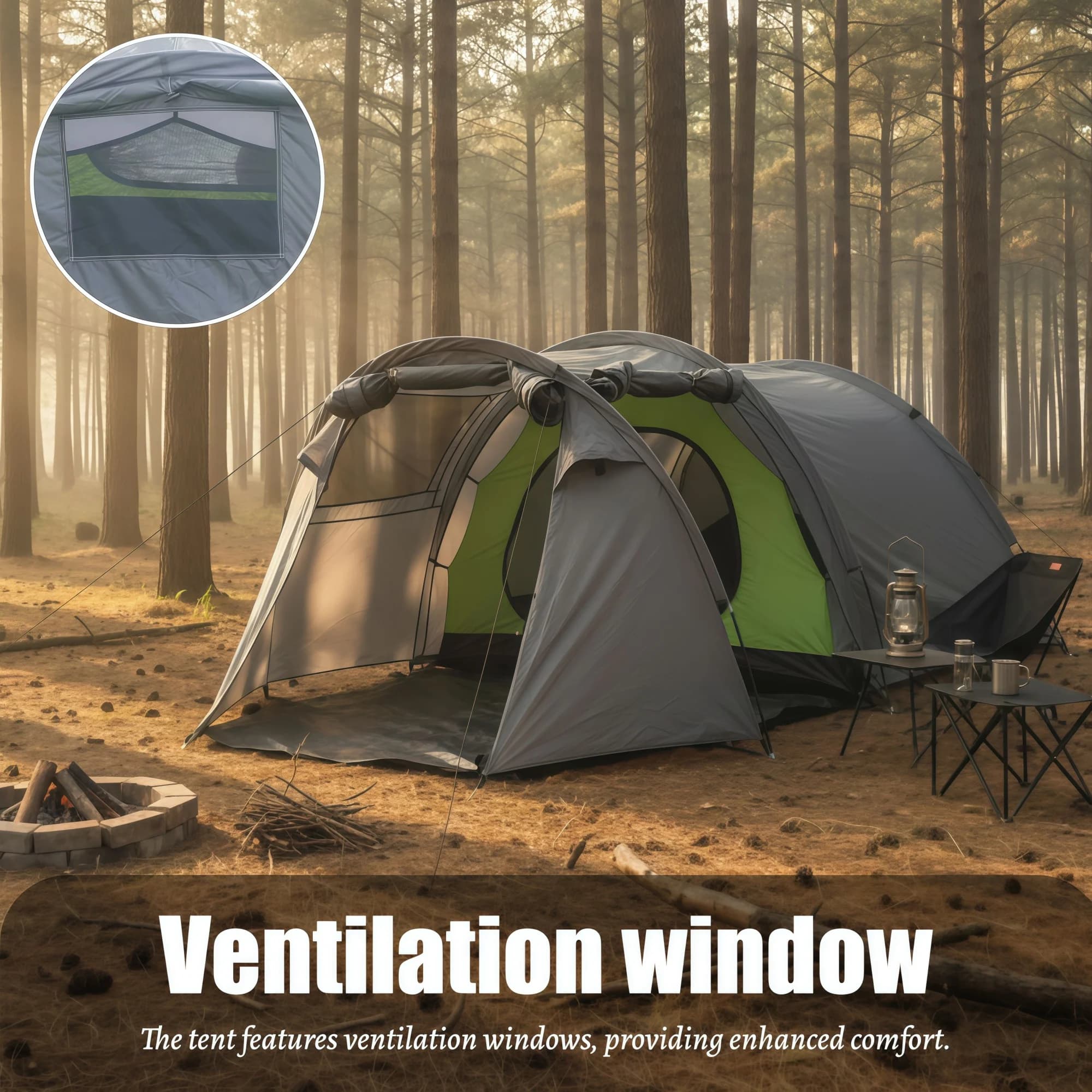
For family outings, I recommend the Spacious Portable Tunnel Tent for Family Adventures. It’s roomy, making it perfect for restless kids, plus its structure held up during a storm.
Sleeping Gear Snags
Sleep is vital when you're camping, but finding yourself on the hard ground can ruin your rest.
-
Uncomfortable Sleeping Pads: After one camping trip, I threw my old foam pad in frustration. Instead, consider investing in an inflatable sleeping pad that gives you cushioning when you need it.
-
Sleeping Bags Too Hot or Cold: Your sleeping bag can feel like a sauna or a freezer depending on the weather. For variable conditions, look for a bag with a temperature rating suitable for the lowest expected temperature—and don't hesitate to add layers like a liner if it gets too chilly.
I’ve tried several sleeping options, but I keep going back to reliable brands. Unfortunately, not all sleeping gear is worth the hype. Skip the gimmicky self-inflating options that promise too much—more often than not, they leave you scrambling for a backup.
Cooking Calamities
Cooking in the outdoors can be exceptionally rewarding or incredibly annoying. Here are my biggest cooking pet peeves:
-
Faulty Stoves: Nothing kills dinner plans like a stove that won’t light. I always check my fuel levels before heading out. Keeping additional fuel tanks handy is crucial, especially if you're cooking for a group.
-
Messy Clean-Up: The aftermath of a camp meal often looks like a disaster zone. To make your life easier, designate a cleanup crew and use reusable containers that seal well for leftovers. A simple dish soap and a sponge can make a world of difference.
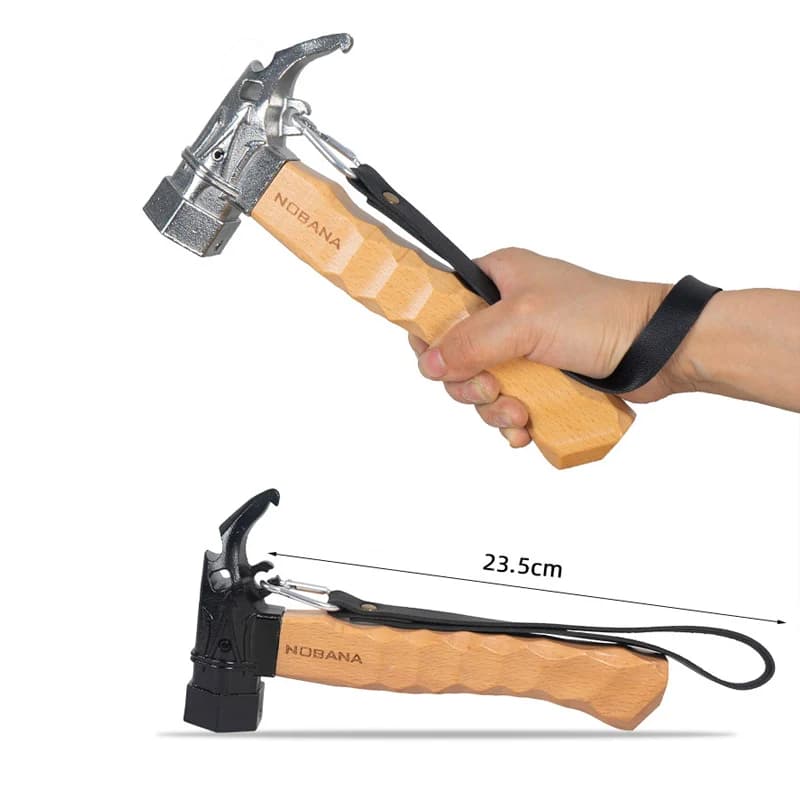
For cooking, I’ve trusted versatile tools like the Camping Hammer - Stainless Steel Tool with Wooden Handle. It’s not just for staking tents; I’ve used it to build campfires and even crack open stubborn cans.
Gear Protection Problems
Mother Nature can be unpredictable, and protecting your gear is critical.
-
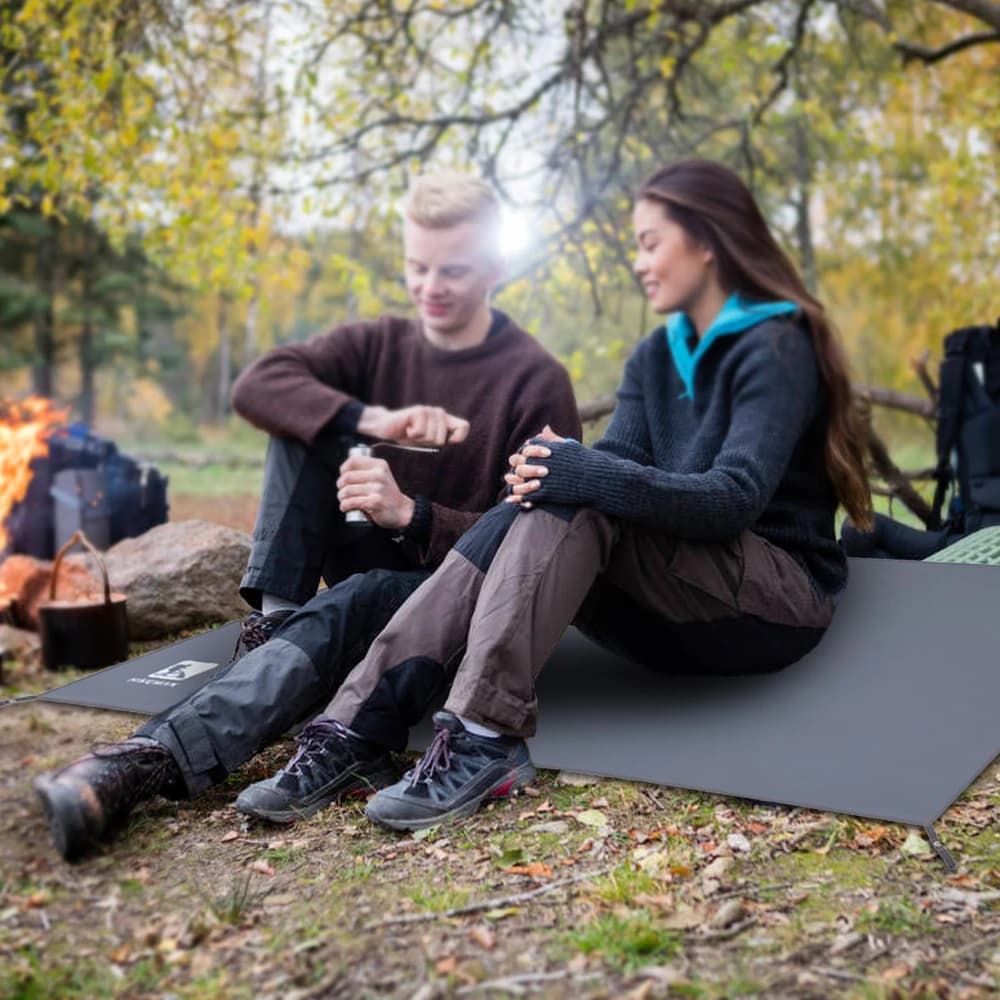
Water Damage: Ensure your tent or fabrics stay dry, especially during unexpected downpours. I learned the hard way to invest in a Heavy Duty Waterproof Camping Tarp - Oxford Ground Sheet that provides an additional layer of defense for my gear and tent.
-
Cracking Cases: Storing gear improperly can lead to cracked or broken equipment. Invest in sturdy cases or backpacks with sufficient padding to protect items like your stove or fragile items.
While lots of products promise durability with light weight, be cautious about ultra-light gear. Some of it is great, but it can’t withstand the rough treatment you sometimes need to give it.
Don’t Waste Money On These
Camping is already an investment, so it's wise to skip unnecessary purchases. Here are some common temptations I’d advise against:
-
All-in-One Cookware Sets: They’re often bulky and don’t fit specific needs. Instead, pick versatile items that actually suit your cooking style.
-
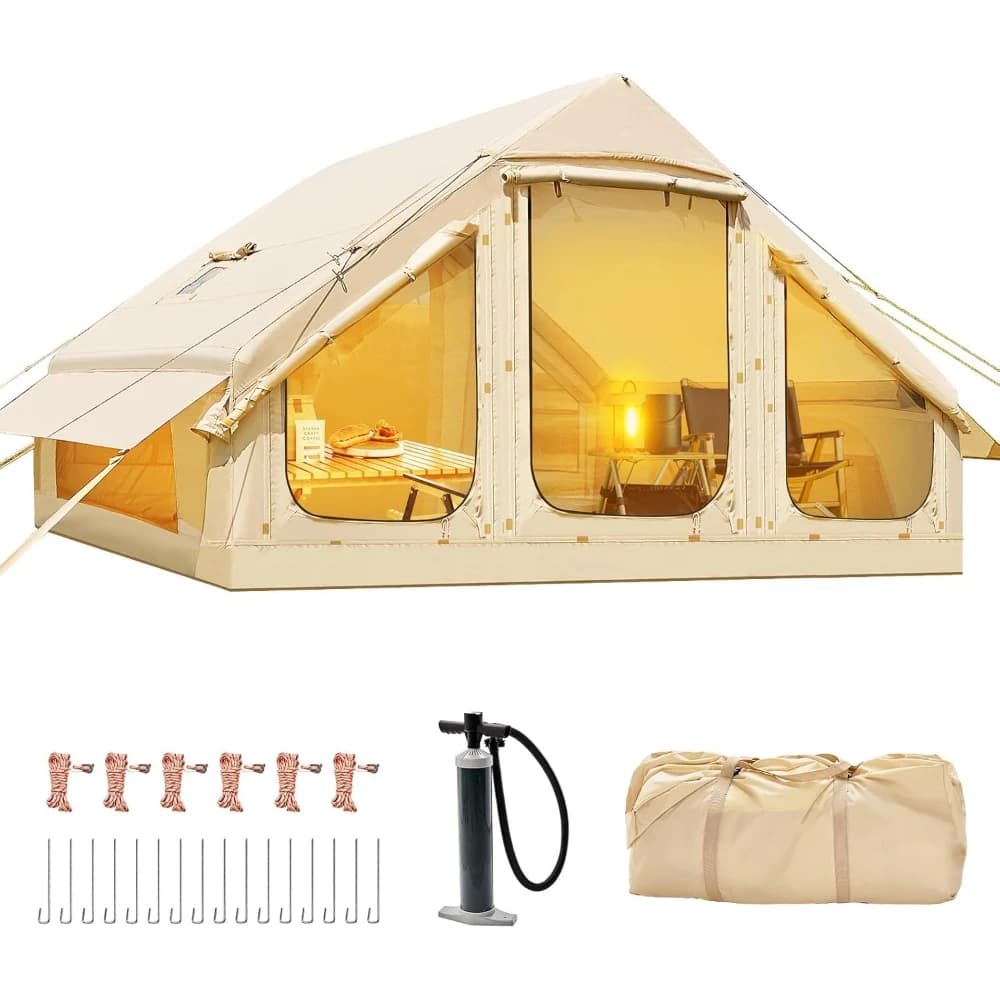
Inexpensive Tents: They might look appealing, but cheaper tents with thin materials will let you down when the weather turns nasty. The Inflatable Camping Tent - Waterproof Air Tent for Families is a better bet for durability and ease of setup.
-
Heavy Bug Repellents: Many sprays might claim they're effective but can be cumbersome to carry. Instead, bring lightweight alternatives, like natural oils, that are easier to handle.
-
Extra Tent Accessories: Some accessories might sound useful but can clutter your setup without providing much value—check if you can make do with what you have.
There’s a lot of joy in camping, but that comes with the standard wear and tear of gear. One camper I know learned to reinforce their tent with extra guy lines after suffering significant wind damage. That simple fix saved their next camping trip from becoming another ruined experience. Gear problems can be a nuisance, but with a bit of foresight and practical solutions, they can be easily managed—ensuring that your time spent in nature remains enjoyable and memorable.
Discover