Camping Gear Trends in 2026: What to Watch
Discover
We test so you don't have to
See our buying guides→I spent three hours last October wrestling bent aluminum poles through frozen fabric sleeves in the dark at a campsite in the White Mountains. My hands were numb, the wind was howling off the ridge, and my cheap dome tent kept collapsing in on itself before I could get the rainfly clipped down. That single miserable night made me rethink my entire setup for the upcoming season. If you are tracking camping gear trends in 2026: what to watch isn't another batch of Bluetooth-enabled coolers or over-engineered gadgets. The actual shift is a massive return to simplicity, durability, and shelters that respect your time in the woods.
We are finally moving past the awkward tech-heavy phase of outdoor gear. For the past five years, outdoor brands tried to turn campsites into smart homes. We got heavy battery banks, sleeping pads with built-in heating coils that drained your power in an hour, and fragile solar panels that barely charged a phone in direct sunlight. People bought into the hype, packed their trunks with electronics, and realized they were just managing devices in the dirt instead of relaxing.
Camping Gear Trends in 2026: What to Watch
Let's talk about what actually changed between last year and now. The biggest structural shift is the death of the traditional tent pole in the family and basecamp space. Air beams are rapidly replacing fiberglass and aluminum. You stake the corners, plug in a high-volume pump, and the shelter erects itself in minutes. This eliminates the main point of friction for weekend trips. You no longer have to color-coordinate poles or argue with your partner about which sleeve the long pole goes through.
Winter camping also broke out of the extreme bushcraft niche. You used to have to modify a canvas shelter yourself with a utility knife and a sewing machine if you wanted to run a wood stove safely. Now, nearly every mid-tier and high-end shelter ships with a pre-installed, fire-retardant stove jack. The camping season no longer ends in September. People want to be out in November, and they want a roaring fire inside the tent to dry their boots.
Material science has also shifted quietly. We are seeing a massive move away from silnylon toward silpoly fabrics in lightweight tents. Silpoly does not sag when it gets wet. If you have ever woken up with a wet tent wall slapping you in the face after a midnight rainstorm, you know exactly why this matters. Tents now hold their pitch and stay taut until morning.
Shelters that fit the new standard
I have spent the last few months testing the new crop of shelters to see what holds up under real weather conditions, rather than just looking good in a catalog.
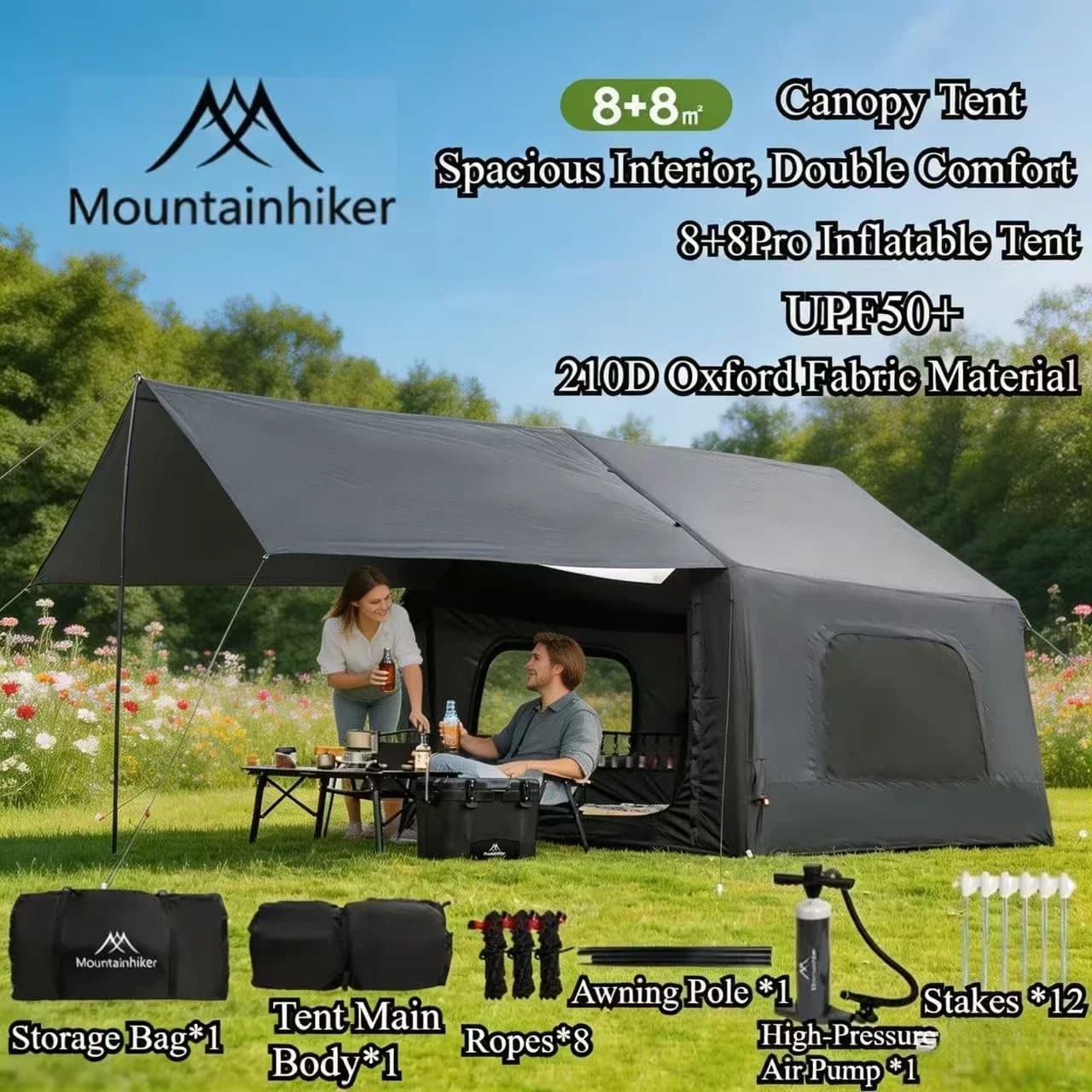
If you routinely camp with kids and hate the arrival argument over who lost the tent stakes, the MOUNTAINHIKER Inflatable Tent for Family Camping solves the problem entirely. You just inflate the main columns. It is undeniably heavy in the trunk, but having a massive, waterproof awning ready in minutes saves my sanity on Friday evenings. I used it during a rainy trip in April, and the sheer volume of space inside meant we could set up camp chairs and a table without feeling claustrophobic. The air beams are surprisingly rigid. We had thirty-mile-per-hour gusts that would have snapped fiberglass poles, but the inflatable beams just bowed slightly and popped right back into place. Check the latest model on AliExpress to see the current pump specs and valve designs.
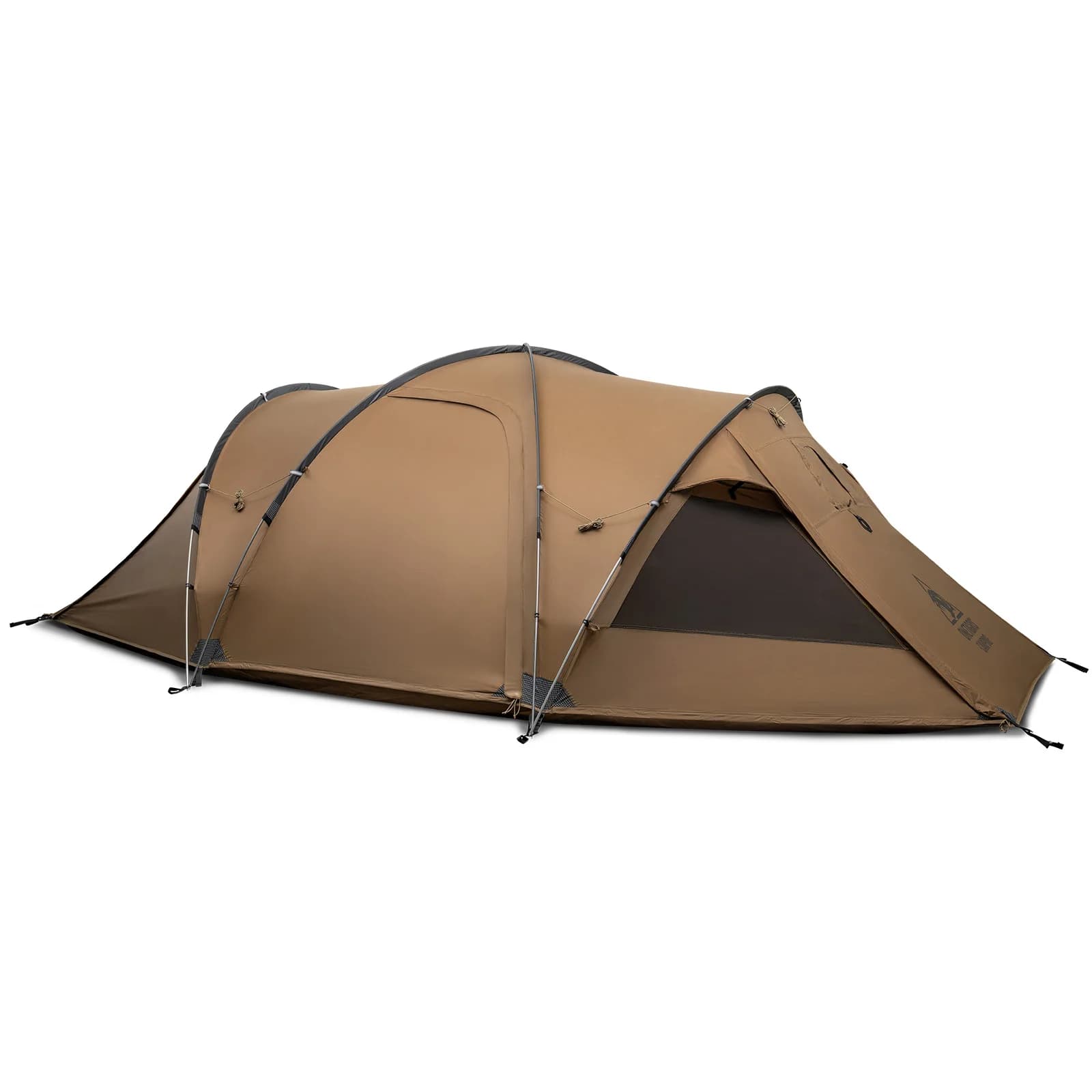
For colder trips where you want heat but cannot justify hauling seventy pounds of canvas, the OneTigris Orbitis Tunnel Tent - Best Camping Tent is a highly practical middle ground. It gives you a stove jack for a titanium wood stove without the crushing weight. I like the tunnel design because it sheds wind much better than standard dome shapes during late autumn storms. You stake out the back, pull it forward like an accordion, and stake the front—a process that takes maybe four minutes. You can run a small stove, keep the inside at seventy degrees, and wake up to frost on the outside of the tent while you are sitting in a t-shirt drinking coffee. The mesh vents also manage condensation incredibly well, which is usually the downfall of single-wall hot tents.
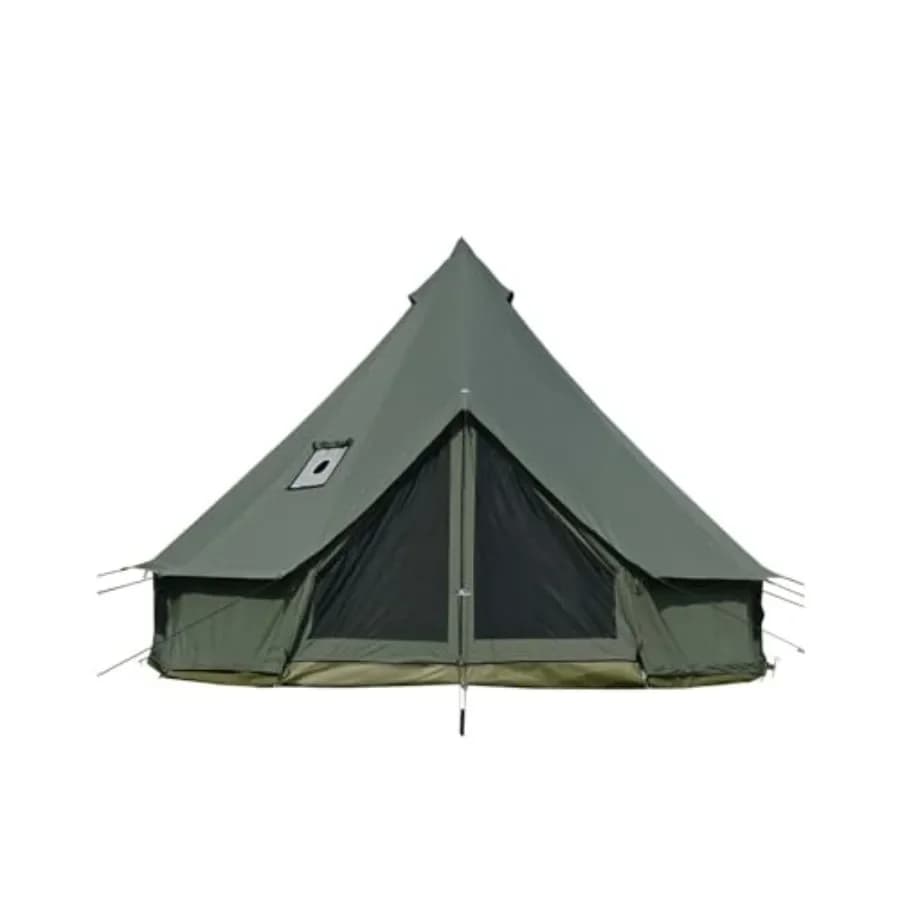
If you do not care about weight at all and just want a basecamp that feels like a permanent cabin, the Cotton Canvas Family Tent - Camping & Glamping is the heavy-duty route. A zipped removable floor means you can roll the canvas sides up during a hot August afternoon to catch a breeze, then seal it tight and run a stove in December. Canvas breathes better than any synthetic fabric on the market. This means you never wake up to that clammy, wet condensation dripping on your sleeping bag. It smells like a classic scout camp, handles sparks from the campfire without melting instantly, and will outlast any nylon tent if you dry it properly before storing it. Check the current price on Amazon to see if they are running any pre-season discounts.
Smarter accessories and hauling
Beyond the tents, the gear we use to light our sites and carry our clothes has leaned into extreme minimalism. We are finally stripping away the unnecessary features.
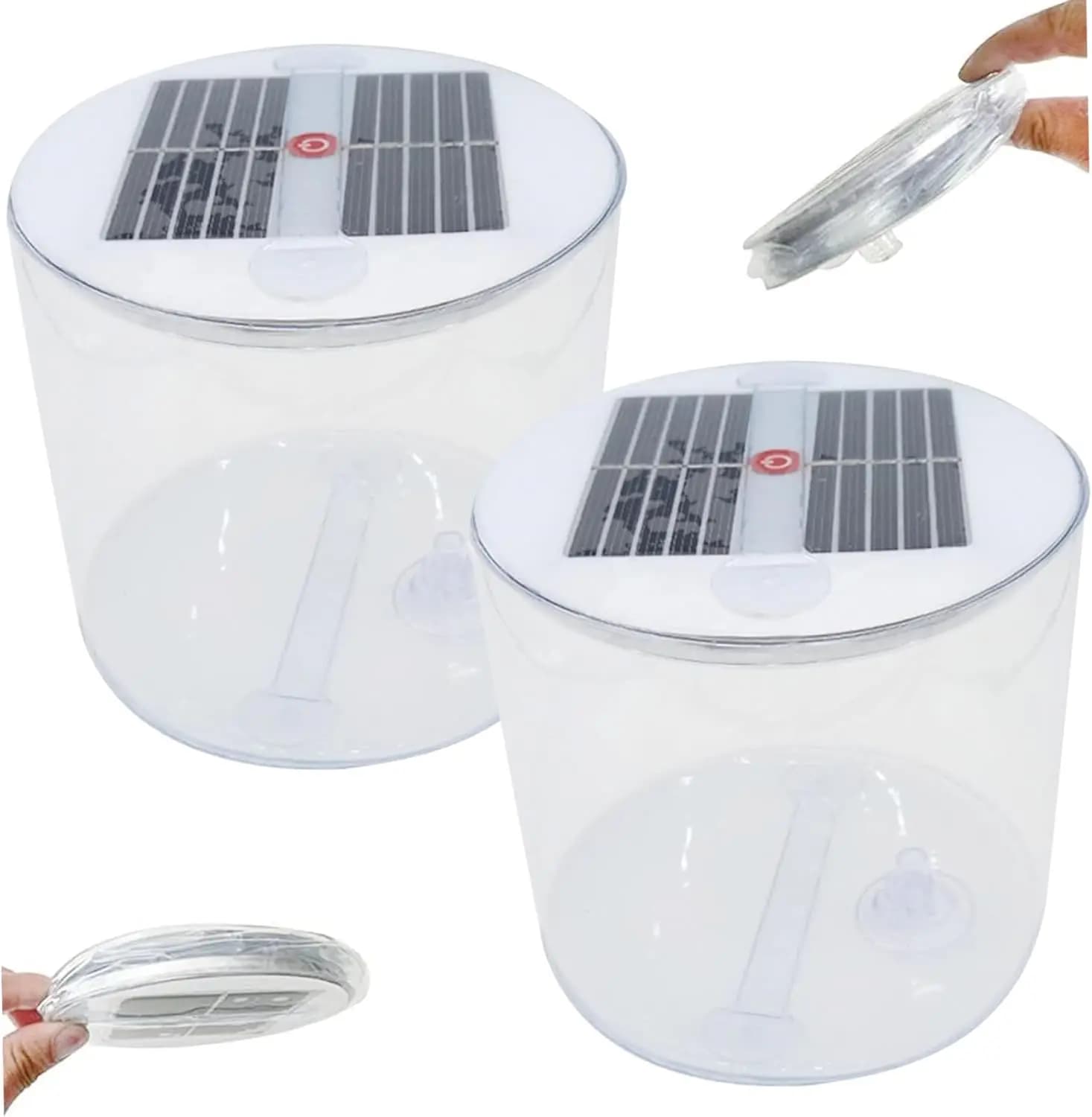
Lighting peaked with the Solar Inflatable LED Lamp for Family Camping. You blow it up like a small beach ball, leave it on your dashboard to charge while you drive to the trailhead, and it lights up the whole picnic table at night. It squishes flat when you pack up, taking up less space than a pair of socks. The frosted plastic diffuses the light so it doesn't blind you when you look across the table. I keep three of these in my gear bin now and haven't bought a battery for camp lighting in over a year. They are cheap, they float, and if you leave one out in the rain, it doesn't short circuit.
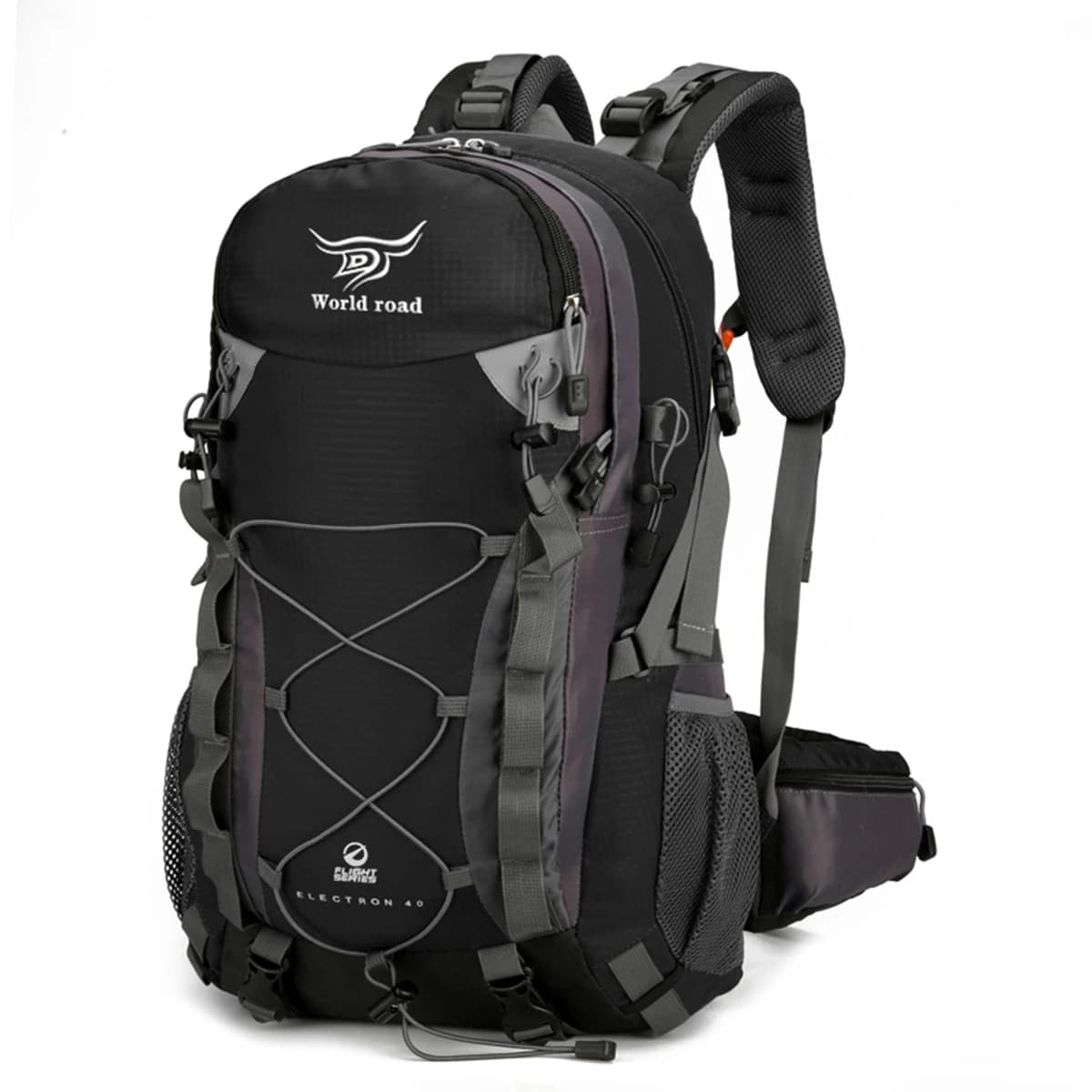
For hauling gear from the car to the site, or packing for a quick overnight hike, I am leaning away from massive internal frame packs toward simpler haulers. The Lightweight 50L Travel Backpack for Adventures strips away the excessive straps, daisy chains, and tiny compartments that usually just snag on branches. It holds a sleeping bag, a sleeping pad, and a weekend worth of clothes without overcomplicating the packing process. Sometimes you just need a durable sack with good shoulder straps, not a highly engineered suspension system that requires a manual to adjust. The large main compartments force you to pack smarter instead of just shoving small items into thirty different exterior pockets and forgetting where they are.
Gear to leave on the shelf
Not every trend this year deserves your money. The outdoor industry is notorious for solving problems that do not exist, and the current market still has plenty of traps for eager buyers. Here is what I am actively avoiding this season.
- App-connected hard coolers: You do not need a phone notification to tell you the ice is melting. Just open the lid and look. These coolers weigh twenty pounds empty, have less internal capacity due to the electronics, and cost a fortune. A standard rotomolded cooler works just fine and never needs a software update.
- Ultralight car camping gear: Paying a premium to save four ounces on a titanium spork or a carbon-fiber camp chair makes zero sense if you are parking twenty feet from your fire pit. Buy heavy, durable stainless steel and thick canvas chairs for the campground. Weight only matters if it is on your back.
- Built-in tent LED wiring: The integrated lighting always sounds great in the store. In reality, the thin copper wiring fails at the folding joints after a single season of being stuffed hastily into a stuff sack. Stick to hanging a separate lantern from a gear loop. When the light breaks, you just replace the light, not the whole tent.
- Massive portable power stations: Unless you are running a CPAP machine or living out of a van full time, a fifty-pound lithium battery block is overkill for a two-night weekend trip. They take up half the trunk and encourage you to stare at screens instead of the fire. A small pocket bank for your phone is all you actually need.
- Multi-tools with forty functions: You will use the knife, the pliers, and the bottle opener. The other thirty-seven tiny saws, files, and awls just add weight and make the tool uncomfortable to grip. Buy a dedicated folding knife and a simple pair of pliers instead.
Who actually wins this season
The person who gets the most out of this year's gear cycle is the weekend camper who stops buying complex gadgets and invests in a shelter that goes up fast. If you only get four weekends a year to sleep outside, spend your budget on an inflatable setup or a hot-tent that buys back your time and extends your season into the winter. Leave the heavy electronics at home, pack a reliable solar light, and actually sit back and watch the fire burn.
Discover