Camping Gear 101: A Beginners Guide to Essentials
Discover
We test so you don't have to
See our buying guides→I spent my first camping trip shivering in a borrowed tent that leaked the second it started drizzling. It was miserable. I learned the hard way that sleeping on the ground is only fun if you actually have the right stuff between you and the dirt. You don't need to spend thousands to get outside, but you do need a few basics that won't fall apart on day two. Here is what you actually need to pack.
Why gear actually makes a difference
Camping gets romanticized a lot. The reality usually involves bugs, weird weather, and trying to cook in the dark. Having decent equipment is the barrier between a miserable weekend and a trip you actually want to repeat. Good gear keeps you dry, lets you sleep through the night, and removes the friction of being away from your kitchen and bed.
The non-negotiables
1. A tent that actually keeps you dry
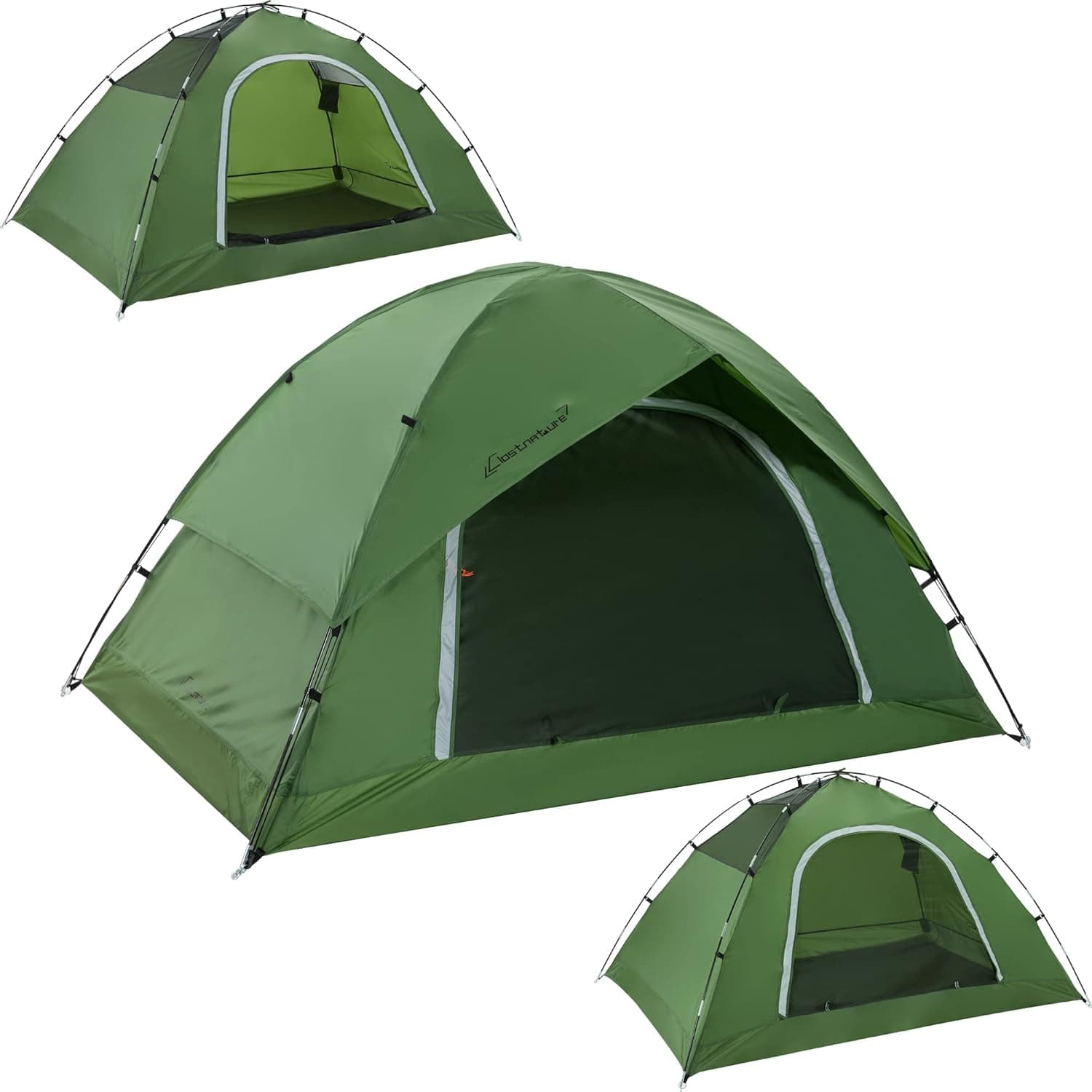
Your shelter is your most critical purchase. You need something that sets up fast and won't cave in when the wind picks up. I point most beginners toward the Compact and Waterproof Camping Tent for Two by Clostnature. It usually runs around $42 and holds up surprisingly well against heavy rain. It says it fits two people, but honestly, it's best for one person plus a duffel bag, or two people who really like each other.
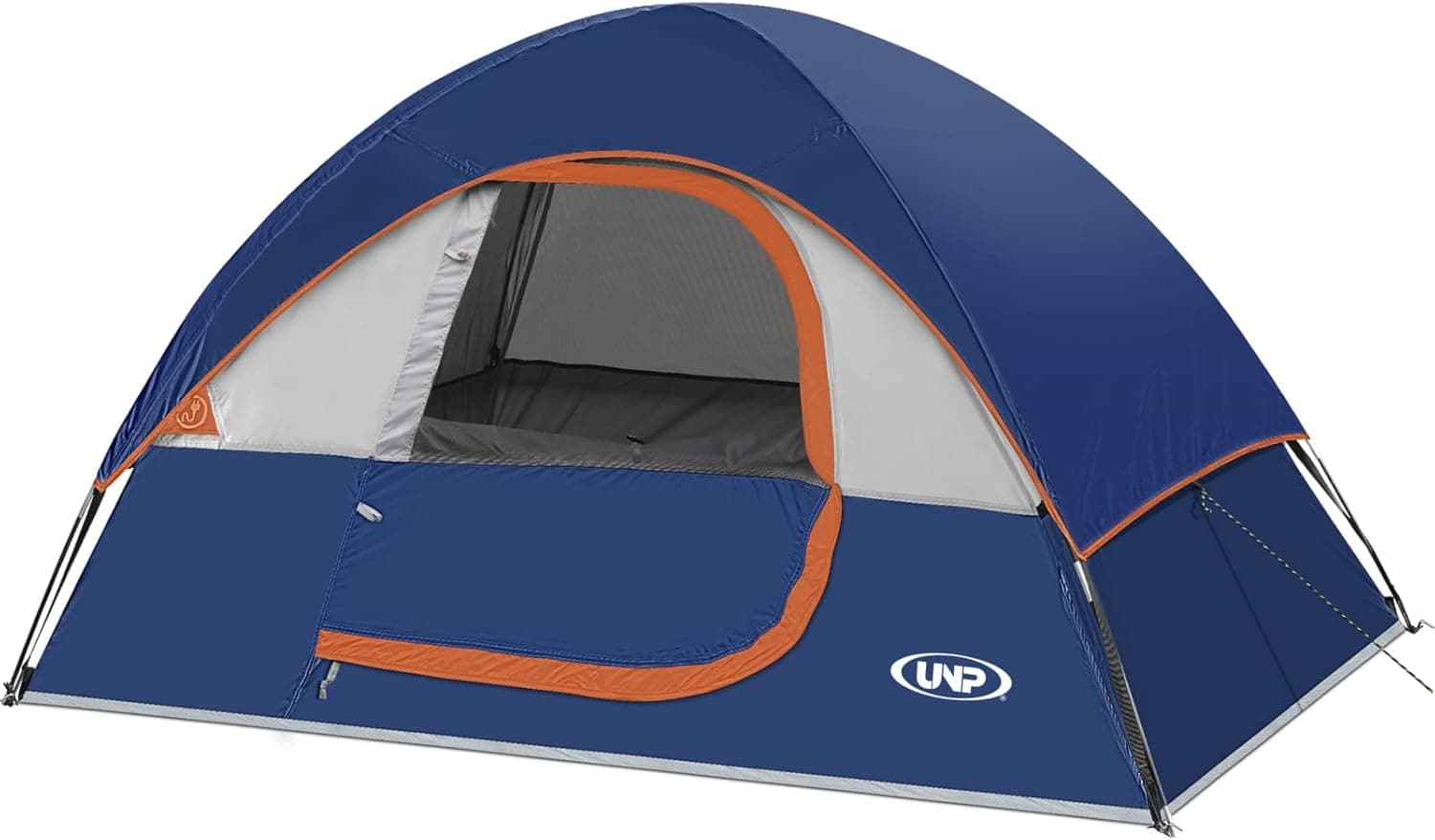
If you are bringing friends or kids, you need more square footage. The Spacious 2-4 Person Waterproof Camping Tent by unp is a solid upgrade for about $40. It gives you enough headroom so you aren't doing gymnastics just to put on your socks.
2. Sleeping bags you won't freeze in
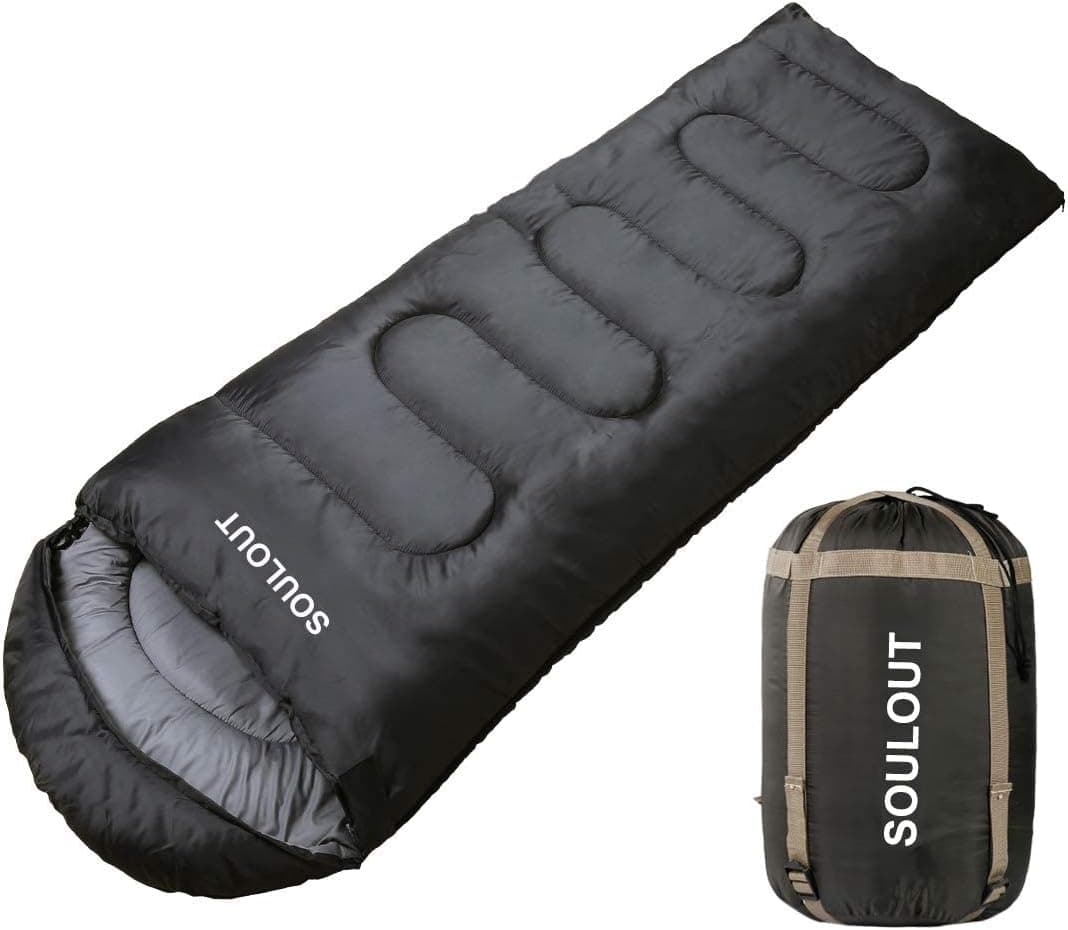
Do not skimp here. A cheap, thin sleeping bag will ruin your trip. You want insulation that matches the overnight lows, plus a little buffer. The Versatile 3-4 Season Sleeping Bag for All Adventurers by SOULOUT costs roughly $40 and traps body heat efficiently. It even includes a waterproof compression sack so you can smash it down into your trunk without taking up a massive amount of space.
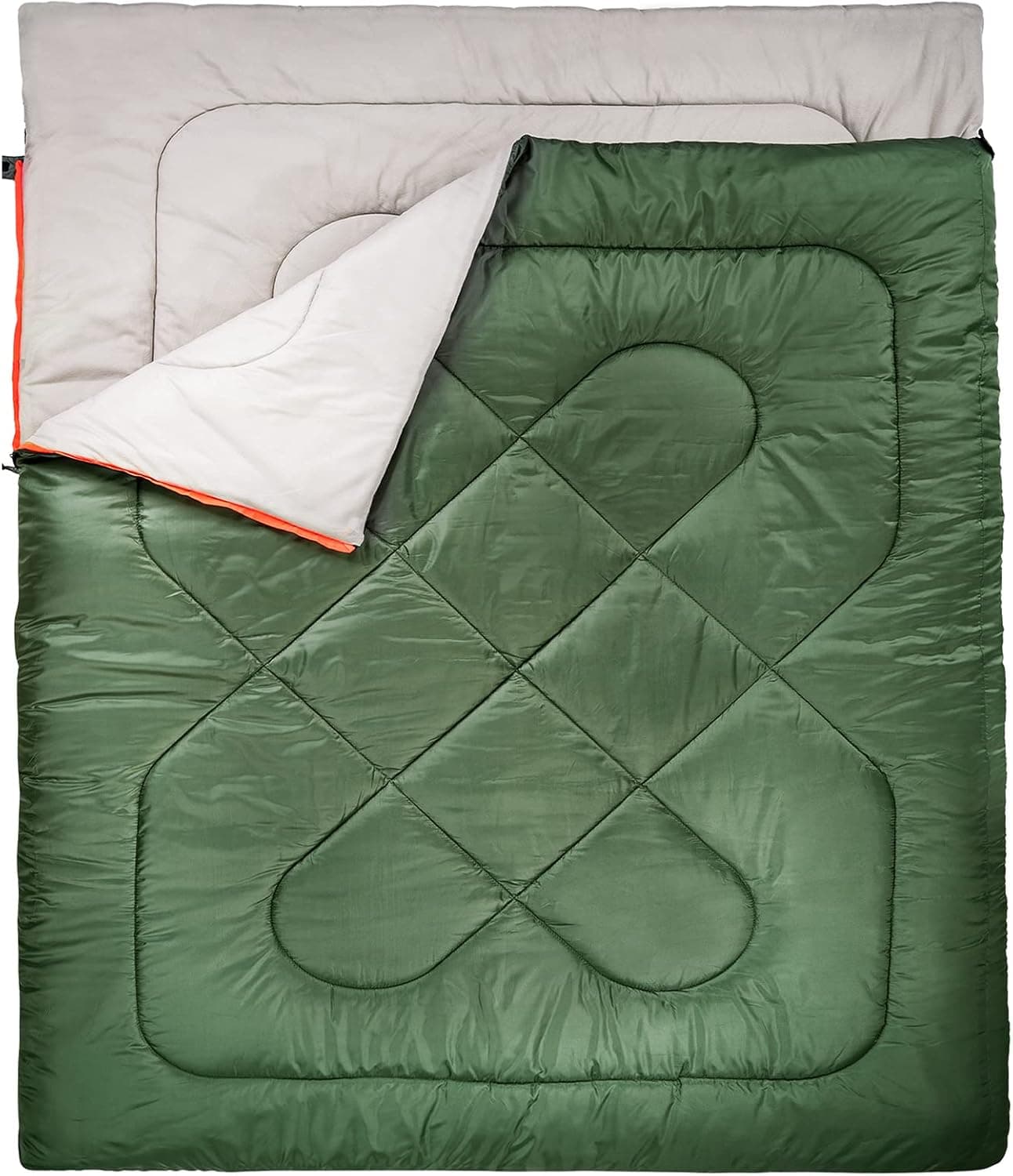
If you camp with a partner and hate being restricted like a mummy, grab the Amazon Basics Queen Size Cold Weather Sleeping Bag. It runs about $43 and gives you an absolute ton of room. Just know it takes up way more space in the car.
3. Camp stoves and cookware
Cold beans out of a can get old fast. A small propane stove lets you boil water for coffee and actually cook meals. Keep it simple with a basic two-burner setup and a dedicated cheap pot from a thrift store so you don't ruin your nice kitchen pans over an open flame.
4. Headlamps and site lighting
Trying to hold a flashlight in your mouth while setting up a tent is terrible. Buy a headlamp. It frees up your hands for cooking and digging through your bag. Bring a simple battery-powered lantern for the picnic table so you can see what you are eating.
5. Water filtration
Unless you are car camping at a site with potable water taps, you need a plan for drinking water. Lugging gallons of water from home is heavy. A basic squeeze filter or pump lets you safely drink from streams and lakes without risking a stomach bug.
6. The boring stuff that saves you
Pack a basic first-aid kit, a decent pocket knife, and extra socks. You will always want dry socks. Throw in a roll of duct tape for emergency tent repairs.
The exact gear I recommend
-
Compact and Waterproof Camping Tent for Two by Clostnature — $41.99 (Rating: 4.4)
-
Spacious 2-4 Person Waterproof Camping Tent by unp — $39.99 (Rating: 4.4)
-
Versatile 3-4 Season Sleeping Bag for All Adventurers by SOULOUT — $39.8 (Rating: 4.5)
-
Amazon Basics Queen Size Cold Weather Sleeping Bag — $43.04 (Rating: 4.4)
Rookie mistakes to skip
-
Packing your entire house: You don't need three jackets for a two-day trip. Stick to layers you can mix and match.
-
Forgetting the absolute basics: Make a checklist. Leaving the tent poles in your garage is a mistake you only make once.
-
Ignoring the weather forecast: A summer tent provides zero insulation in October. Always check the overnight lows before you pack your sleeping bag.
-
Skipping the practice run: Set your tent up in the living room or backyard first. Figuring out fiberglass poles in the dark while it rains is a nightmare.
-
Breaking campsite rules: Check local fire bans before you buy firewood. Never leave food out where animals can get it.
FAQs
Q: How do I choose the right sleeping bag?
A: Look at the temperature rating. A "40-degree bag" means you will survive at 40 degrees, but you will likely be cold. Buy a bag rated for temperatures 10 to 15 degrees colder than you expect to face.
Q: How long does it take to set up a tent?
A: A basic dome tent takes about 10 minutes once you know what you are doing. Your first time might take 20.
Q: What is the best way to pack my gear for camping?
A: Put heavy items near the middle of your pack, close to your spine. Shove your sleeping bag into a compression sack at the very bottom.
Q: Can I use my camping gear for other activities?
A: Yes. Headlamps are great for home repairs, and sleeping bags work well for road trips or guests crashing on your floor.
Q: How do I keep my food fresh while camping?
A: A hard-sided cooler with frozen water bottles works well for a weekend. Dry goods like pasta and oatmeal are even easier since they don't need ice.
What I'd buy first
If you only have the budget to upgrade one or two things right away, focus on your shelter and sleep system. Grabbing the Compact and Waterproof Camping Tent for Two by Clostnature and pairing it with the Versatile 3-4 Season Sleeping Bag for All Adventurers by SOULOUT covers the hardest parts of sleeping outside. Once you know you can stay warm and dry, the rest of the trip is just building a fire and relaxing.
Discover